Renovating a heritage-listed house: how to breathe life into the past
Renovating a heritage-listed house is more than a building project – it is a delicate mission between the past and the present. These homes are not just properties – they are witnesses to their time, guardians of an architectural spirit and of a cultural memory that deserves to be preserved. But behind every restoration lies not only inspiration but also responsibility.
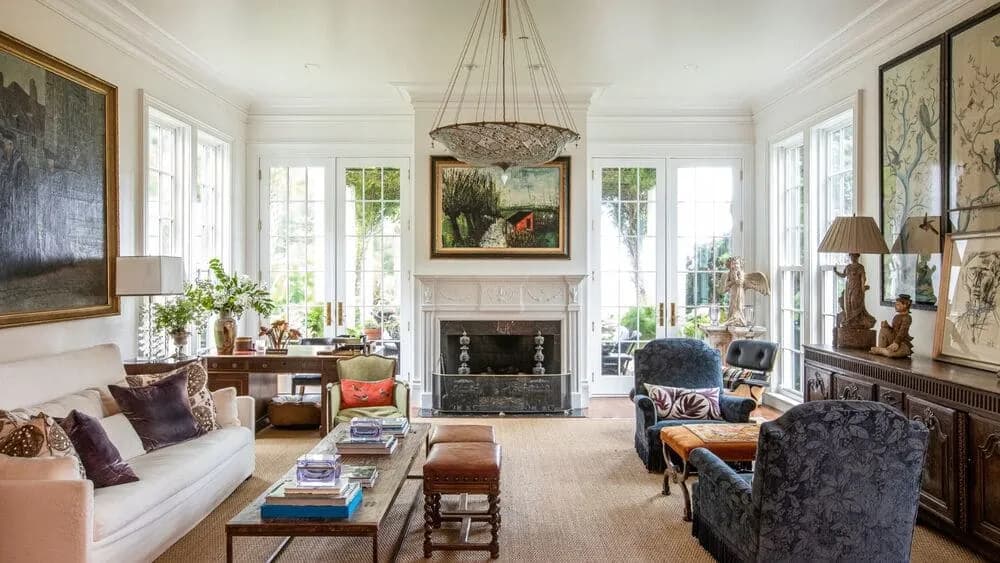
Renovating a heritage-listed house is more than a building project – it is a delicate mission between the past and the present. These homes are not just properties – they are witnesses to their time, guardians of an architectural spirit and of a cultural memory that deserves to be preserved.
But behind every restoration lies not only inspiration but also responsibility. Renovating a historic building calls for special permits, expert knowledge and a professional approach, so that the work is carried out in line with the law and with respect for the original appearance. Every stage, from strengthening the structure to the final touch in the interior, has to be carefully planned, because one wrong step can cost priceless original features.
In this article we will take you through the whole process – from the legal requirements and restoration techniques to the balance between old and modern in the interior. You will see how renovating a heritage-listed house can become not just a challenge, but a story that carries on – one written by you.
Do you want to bring back the splendour of your old home, confident that everything has been done professionally and legally?
What does it mean for a house to be a cultural monument?
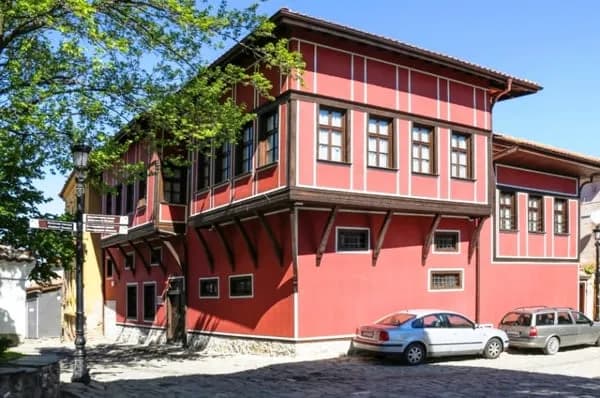
Photo: Lost in Plovdov
Owning a house that is a cultural monument is an honour, but also a responsibility. It is not just a building. It is a piece of history, where the walls hold memories, the architecture carries the spirit of its time, and every detail tells of the past of a place, a town or a family.
But before you start renovating a heritage-listed house, it is important to understand what this designation actually means and why the law protects such properties with a special status.
How is a building designated a cultural monument?
A building can be given the status of a cultural monument when it has architectural, artistic, historical or scientific value that makes it significant to the national or local heritage.
The process is handled by the National Institute for Immovable Cultural Heritage (NIICH), part of the Ministry of Culture. Experts assess the property against a number of criteria – style, state of preservation, original materials and links to historical events or figures.
Once it has been entered in the register, a listed house comes under protection that does not allow changes to be made to it freely – including during renovation, restoration or conversion.
Types of cultural monuments under the law
The Cultural Monuments and Museums Act distinguishes several categories of immovable cultural property:
- Buildings of national importance – sites of particular significance to the history and culture of Bulgaria (e.g. National Revival-era houses, monasteries, iconic public buildings).
- Buildings of local importance – smaller sites that matter to local identity, such as traditional houses in the old quarters of towns.
- Architectural ensembles – entire streets or areas (such as Kapana in Plovdiv or old Varna), where every house contributes to the cultural character of the place.
Important: even if your property has no status of its own but lies within such a protected area, the rules for renovation and restoration still apply!
What does this mean for the owner?
Owning a heritage-listed house does not mean you cannot live in comfort and in a modern way. It means that every intervention has to be approved and carried out in a way that preserves the house’s authenticity.
That is why renovating a heritage-listed house is not only about refreshing walls and a roof – it is about restoring its spirit, with attention to the original materials, colours and details.
Many owners underestimate this stage and start work without approval – a mistake that can cost them not only fines but also the loss of the property’s status.
What do you need to know before renovating a heritage-listed house?
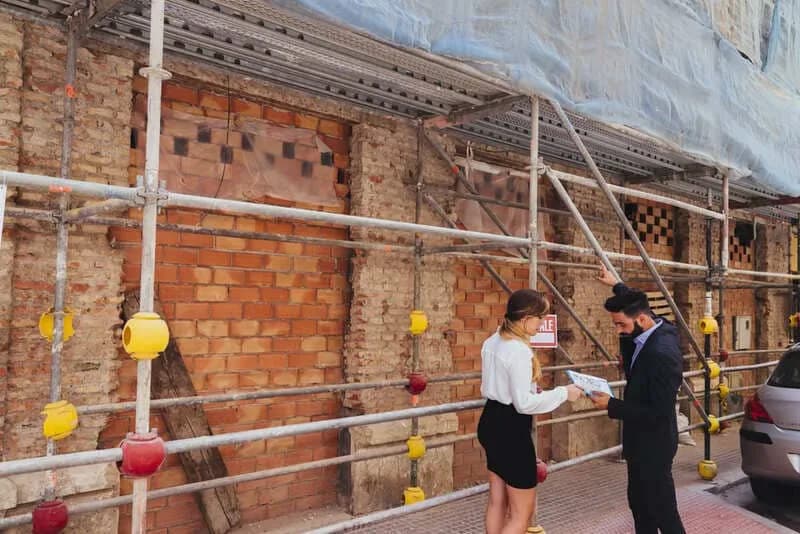
When a heritage-listed house is due for renovation, the first and most important step is not choosing tradespeople or materials, but knowing the law.
This is a property with a special status whose authenticity is protected by the state. So every change, however small, has to be agreed with and approved by the competent authorities.
Many owners start out with good intentions but without the necessary permits. The result? The work is stopped, penalties follow, and there are long months of administrative delay.
To avoid this, let us look at the main legislation and procedures that govern the renovation and restoration of listed buildings.
The Cultural Monuments and Museums Act – the foundation of everything
This is the main piece of legislation governing how immovable cultural property is protected, used and maintained.
The Cultural Monuments and Museums Act states clearly that any intervention on the facade, roof, interior or structure of a listed building requires permission from the Ministry of Culture or from authorised bodies.
Key points:
- No renovation, conversion or restoration may be carried out without an approved design by a suitably qualified restorer.
- All work must respect the preservation of the original materials and details.
- Breaches are punishable by fines and, in some cases, even by court sanctions.
The Cultural Monuments Ordinance – the practical guide
While the Act provides the framework, the Cultural Monuments Ordinance sets out the specific requirements and procedures for carrying out the work.
It describes in detail:
- which documents you need to apply for permission to renovate a cultural monument;
- which specialists need to be involved (a restoration architect, a structural engineer, a historian, etc.);
- how the work is supervised during the restoration and how the finished building is accepted.
Important: owners who do not follow the provisions of the Ordinance can lose the chance to obtain funding, because their renovation is treated as unauthorised.
Permission to renovate a cultural monument: what is it and how is it issued?
To start any kind of renovation on a heritage-listed house, you need official permission. Without it, not even cosmetic work can be done, because it could change the appearance of the building.
The procedure involves:
- Having a technical design prepared by a licensed restoration architect.
- Submitting the design to the National Institute for Immovable Cultural Heritage (NIICH).
- Obtaining an opinion and approval from the Ministry of Culture.
- The municipality issuing a building permit.
The process can take time – from a few weeks to several months. So the sooner you start preparing, the sooner the renovation itself can begin.
Delisting a cultural monument – when is it possible?
In rare cases you can ask for a cultural monument to be removed from the register – for example, when the building has been completely destroyed or no longer has any historical value. This procedure also goes through the Ministry of Culture and is carried out only after an expert assessment.
Important: delisting is neither an easy nor a quick process. In most cases the state has an interest in keeping the status, even if the building is in poor condition, so that it can be restored later.
Why is it important to follow the legal steps?
Failing to follow the procedures can lead to:
- administrative penalties and heavy fines;
- the work being stopped by the inspection authorities;
- loss of the status or of funding under cultural heritage programmes.
The truth is simple: if you follow all the rules from the very start, the renovation of your heritage-listed house will be not only legal but also more durable, more authentic and more cost-effective.
Renovation or restoration? The difference that changes everything
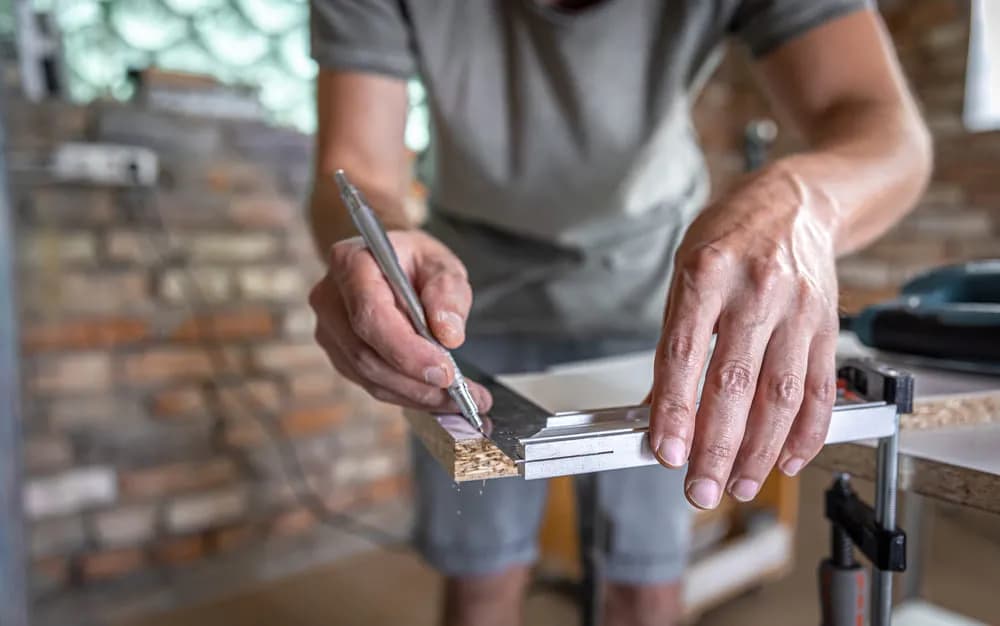
Many owners use the words ‘renovation’ and ‘restoration’ as if they meant the same thing. But when it comes to a heritage-listed house, the difference can be decisive – not only for how it looks, but also for the legality, value and longevity of the building.
What does renovating a heritage-listed house involve?
Renovating a heritage-listed house usually involves work to strengthen and maintain the structure, so that the building is safe and fit to live in.
This may include:
- replacing or strengthening roof structures,
- repairing services (electrical wiring, plumbing, heating),
- restoring plaster, floors or window and door frames,
- strengthening the foundations and walls.
The main aim of the renovation is to extend the life of the building without compromising its architectural and historical features.
Important: even an ordinary renovation needs approval if the property has the status of cultural property. Unauthorised work can be penalised and can lead to the permit being withdrawn or even to legal action.
What is the restoration of a heritage-listed house?
Restoring a heritage-listed house is a more specialised process – it aims to bring back the authentic appearance of the building, as it looked originally. It calls not just for technical skill, but for knowledge, sensitivity and respect for history.
Restoration may include:
- restoring original decorative elements (facade ornaments, cornices, woodcarvings, murals),
- cleaning and conserving stone, timber or metal details,
- faithfully reproducing missing elements from archive photographs or drawings,
- carefully choosing materials identical to those originally used.
True restoration is a symbiosis of tradition and technology. It does not try to ‘rejuvenate’ the building, but to give it back its dignity, so that it can go on living with a new breath of life without losing its soul.
Common mistakes when renovating listed buildings
Starting the renovation of a heritage-listed house without a clear strategy and without consulting specialists can turn out to be more expensive and stressful than you expect.
Many owners set off with enthusiasm but without knowing the specific requirements for protecting cultural heritage, and this leads to a series of mistakes that can derail the whole project.
1. Starting work without permission and approval
This is the most common and the riskiest mistake. Any renovation of a heritage-listed house must be approved by the Ministry of Culture and the municipality. Without official permission, even an ‘innocent’ intervention, such as painting the facade or replacing the windows, can be treated as a breach.
The result: the building work is stopped, you are fined and you are obliged to restore the original condition at your own expense.
2. Replacing original materials with modern ones
The original features of a heritage-listed house, such as timber windows and doors, stone cladding, ceramic ornaments or decorative plasterwork, are what make it unique. Many owners replace them with modern materials to ‘make maintenance easier’, but in doing so they destroy the historical value of the building.
3. Skipping the expert assessment and design stage
Every renovation of a heritage-listed house has to be preceded by a technical and historical assessment. It establishes which parts can be repaired and which must be preserved intact.
Many owners, however, skip this step and go straight to the building work, which often leads to costly mistakes and the need for fresh approvals.
Bringing in interior design after renovating a heritage-listed house
Once you have been through the complex and inspiring process of renovating a heritage-listed house, the next big challenge arrives – the interior design.
Here the balance between old and new is decisive: you need to preserve the spirit of the era, but also create a comfortable, functional home to live in today.
Combining history and contemporary style
The interior of a heritage-listed house should be a continuation of its architectural identity. After the renovation there is no need to turn your home into a museum – on the contrary, the aim is to keep the authentic atmosphere while adapting it to a modern way of life.
An experienced interior designer’s approach is to ‘hear’ what the space is saying – to keep its character, but also to breathe new life into it.
The combination of original details (high ceilings, timber beams, stone walls) and modern elements (lighting, furniture, textures) creates a unique, unaffected charm that has no equivalent in new-build homes.
How do you combine authenticity with modern comfort?
When you renovate a heritage-listed house, the main task of the interior design is to respect the past while serving the present.
This is achieved through a few key principles:
- Keep the original materials wherever possible – wood, stone, metal.
- Use neutral colours and natural light to highlight the architectural features.
- Integrate modern technology discreetly – air conditioning, heating and lighting can be concealed without spoiling the historic appearance.
- Choose furniture with character, but in a contemporary interpretation – that way the old and the new ‘talk’ to each other in harmony.
Many owners invest in the restoration but underestimate the interior, and miss the chance for their home to become a true architectural masterpiece.
Interior design that works with the restoration project
One of the most common mistakes is to develop the interior design after the restoration. In fact, the best results come when the designer is involved from the very start of the renovation of a heritage-listed house. That way, decisions on services, lighting and furnishings are aligned with the architecture, and there is no need for costly changes later.
If you leave the interior until the end, you will miss the chance to create a coherent overall vision, and you may have to redo parts of the home that are already finished.
Entrust your home to a team that can see the potential of a space without losing its history. We will help you turn your restored house into a home that inspires, moves and stands the test of time.
Conclusion: reviving history without losing its spirit
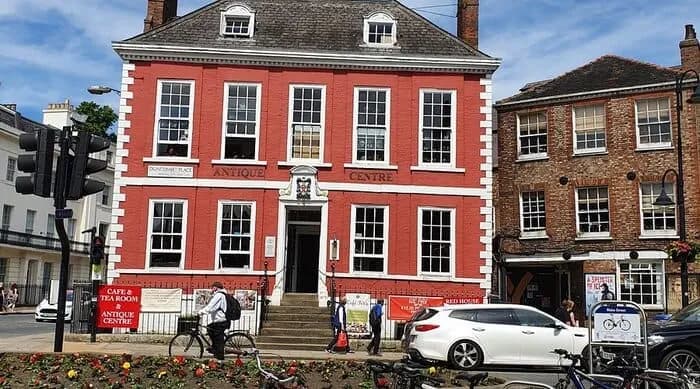
Renovating a heritage-listed house is not just a building process – it is a journey through time. Every detail, every layer of plaster and every timber beam holds memories that deserve to be preserved.
This kind of project is not like an ordinary major renovation – it calls for respect, knowledge and patience, because it is not just about square metres but about a piece of Bulgaria’s cultural heritage. It also takes longer. People usually wonder how long a major house renovation takes, but when it comes to renovating a heritage-listed house, the timeframe is quite different.
The most successful restorations are those that strike the perfect balance between old-world charm and modern comfort. With the right team, a careful approach to the interior and a professional attitude, any old building can become a unique and lasting home that impresses and tells its story with pride.
History does not look after itself – it is preserved by the people who believe that the beauty of the past deserves a future.
More articles
All articles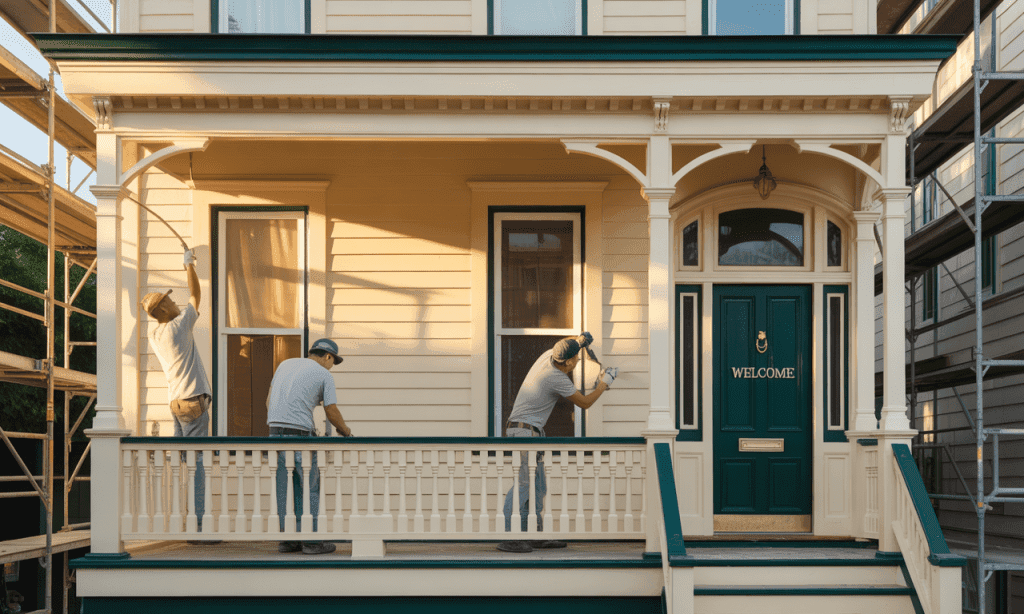 Houses
12 min read
How long does a major house renovation take?
Renovating a house is one of the most serious undertakings a property owner can face. Whether you are buying an old house to do up or want to modernise the family home, the question ‘How long will the renovation take?’ always comes first. In this article we look in detail at how long a major house renovation takes, what the stages are, which factors affect the timescale and how to speed up the process without sacrificing quality.
Read Finishing work
11 min read
Suspended ceiling with LED lighting: types, labour cost and examples
The types of suspended ceiling, what the labour costs and a worked example for a 16 m² room with LED strip and downlights – plus what to decide first.
Read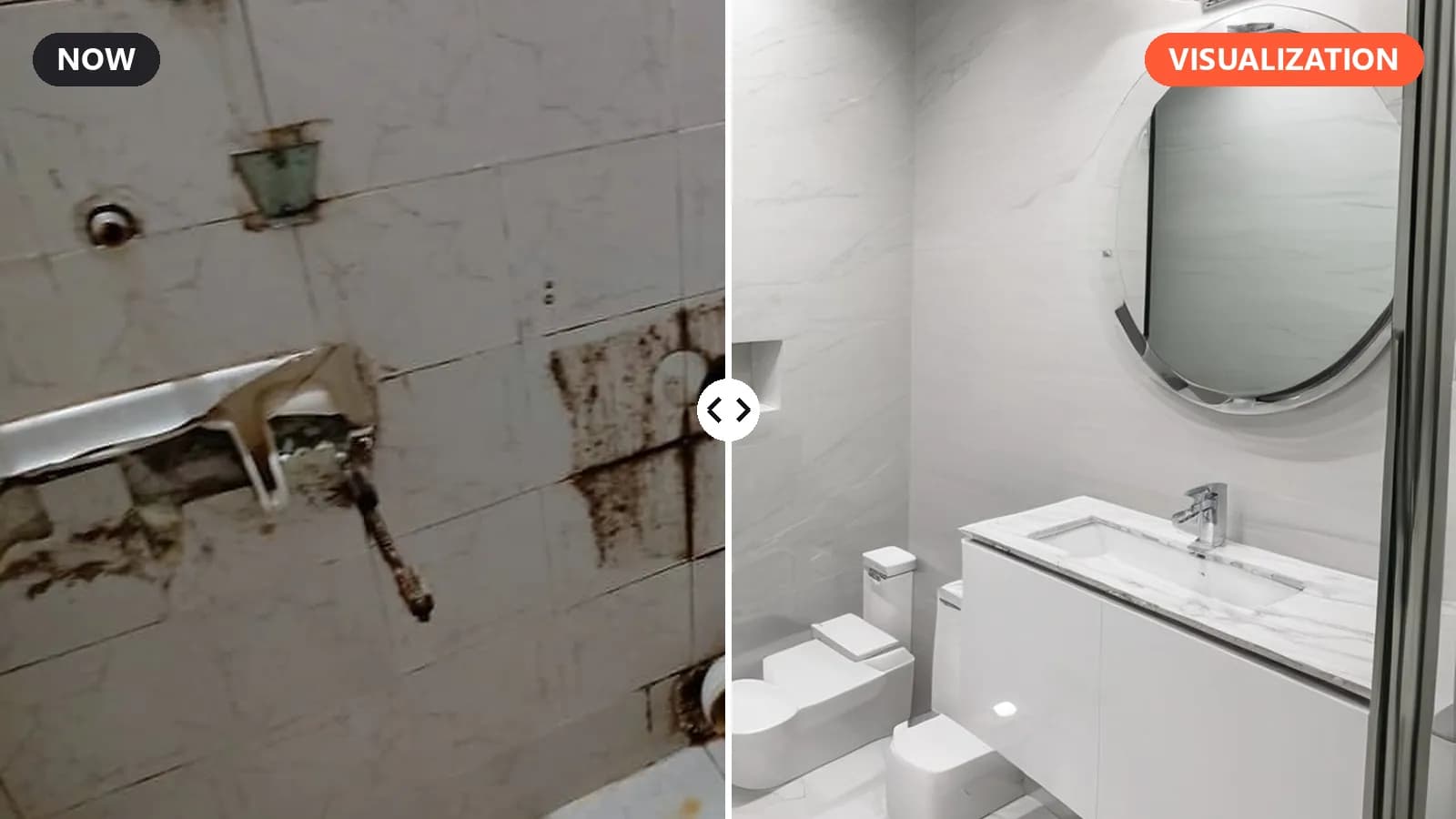 Bathroom
2 min read
New: see your new bathroom before the renovation
Upload a photo of your bathroom as it is now and in about a minute you will see it renovated in three styles – white marble, warm wood and dark stone. Free, no sign-up.
Read