How to avoid roof repair scams: the red flags
Every year thousands of homeowners in Bulgaria fall victim to roof repair scams, especially after storms, hailstorms or other weather events. Fraudsters, often posing as ‘specialists’, offer ‘urgent’ services, convincing owners that their roof is in a critical state. These schemes are particularly widespread after natural disasters, when people are at their most vulnerable.
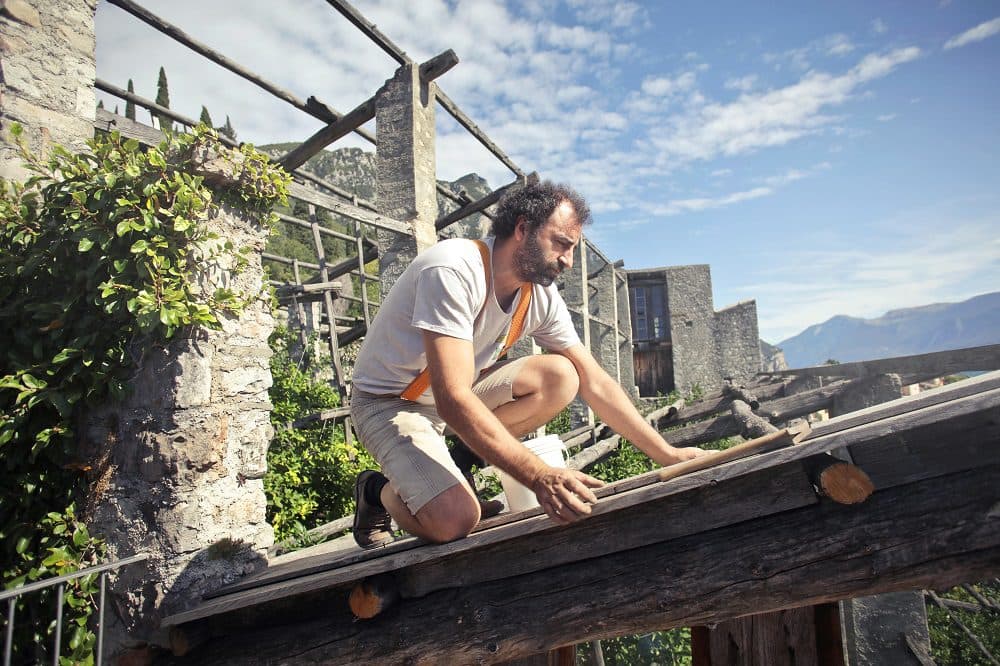
Every year thousands of homeowners in Bulgaria fall victim to roof repair scams, especially after storms, hailstorms or other weather events. Fraudsters, often posing as ‘specialists’, offer ‘urgent’ services, convincing owners that their roof is in a critical state. These schemes are particularly widespread after natural disasters, when people are at their most vulnerable. A similar pattern is well known in the USA, where so-called ‘storm chasers’ – fraudsters who follow bad weather – mislead owners with fake damage reports, often even damaging roofs deliberately to justify their repairs.
The importance of a reliable roof repair cannot be overstated – the roof is a home’s first line of defence against the weather. A poorly executed repair can have serious consequences: leaks that ruin the interior, higher heating bills or even legal disputes if the contractor disappears after being paid in advance. In Bulgaria there have been recorded cases of bogus tradesmen using tactics such as harassment and threats to extort advance payments, and then vanishing without a trace.
The aim of this article is to help you recognise the main ‘red flags’ when hiring a roof repair company, based on real cases and practical advice.
Red flag 1: door-to-door salespeople
One of the most common red flags in roof repair scams is door-to-door salespeople offering ‘free inspections’ after storms or high winds. They claim to have found serious damage that needs urgent repair, often using phrases such as ‘we have materials left over from a previous job’ or ‘we offer a discount for a quick repair’. In Bulgaria this approach is especially common after winter storms, when owners are worried about the state of their roofs. In the USA these fraudsters are known as ‘storm chasers’ – people who track weather events and go round neighbourhoods to con homeowners.
The facts show that these fraudsters often cause damage deliberately, pulling off roof tiles or damaging the roof to convince owners that a repair is needed. Once they have been paid in advance, they often disappear, leaving the home in a worse state. In Bulgaria, cases like this have been reported after storms, with victims – especially elderly people – paying for services that never existed.
To protect yourself, avoid strangers who offer their services without a prior appointment. Choose local companies with a proven reputation. Always insist on a written contract and check the company’s licence before any work begins.
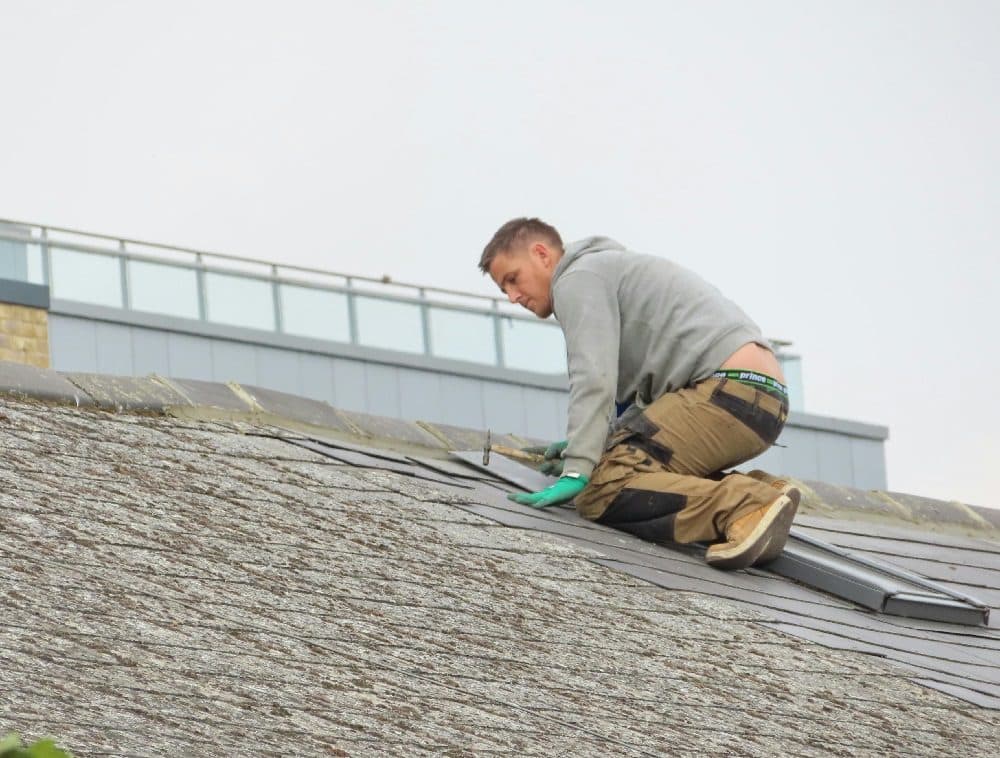
Red flag 2: pressure to sign documents quickly
One of the key red flags in roof repair scams is pressure to sign documents immediately, with no chance to read them carefully. Fraudsters often use urgency tactics, claiming that ‘your roof is going to collapse’ or that ‘the quote is only valid today’. In Bulgaria, schemes like this involve fake contracts that cut the owner out of communication with the contractor, often leading to poor-quality work or the contractor disappearing after an advance payment.
In Bulgaria there have been recorded cases of owners signing contracts under pressure, only to discover that they had agreed to expensive and unnecessary repairs.
To avoid this trap, always read the contract carefully, especially the small print. If necessary, consult a lawyer or an insurance agent before signing anything. Reliable companies, such as those with a good reputation in Sofia, will never pressure you into signing in a hurry. If you feel pressured, that is a clear sign of a potential scam.
Red flag 3: demands for large advance payments
One of the clearest red flags in roof repair scams is a demand for a large advance payment – often 50% or more of the total – supposedly to buy materials or ‘get the work started’. The fraudsters convince owners that this is standard practice, but once they have the money they disappear or delay the repair indefinitely. In Bulgaria there have been recorded cases of victims paying a deposit in June, with the work only starting in September or never being done at all.
To protect yourself, never pay large sums to new or unknown companies. Put your trust in proven professionals such as RemontS, who offer transparent terms and quality services. Contact us today for a free site visit and a reliable repair of your roof!
Red flag 4: no licence or references
A missing licence or references is a serious red flag when hiring a roof repair company. Bogus contractors often work without official registration, which leaves owners liable for damage, accidents or injuries during the repair. In Bulgaria there have been recorded cases of ‘tradesmen’ without any paperwork taking advance payments and disappearing, leaving owners with no legal protection.
To avoid scams, check the company in official registers, such as the Commercial Register kept by Bulgaria’s Registry Agency, to confirm that it is registered. Ask previous clients for references and check reviews on platforms such as Google Reviews or Bulgarian forums. Reliable companies, such as those with a good reputation in Sofia, are happy to provide evidence of their work. If a contractor avoids showing you a licence or references, that is a clear sign of a potential scam.
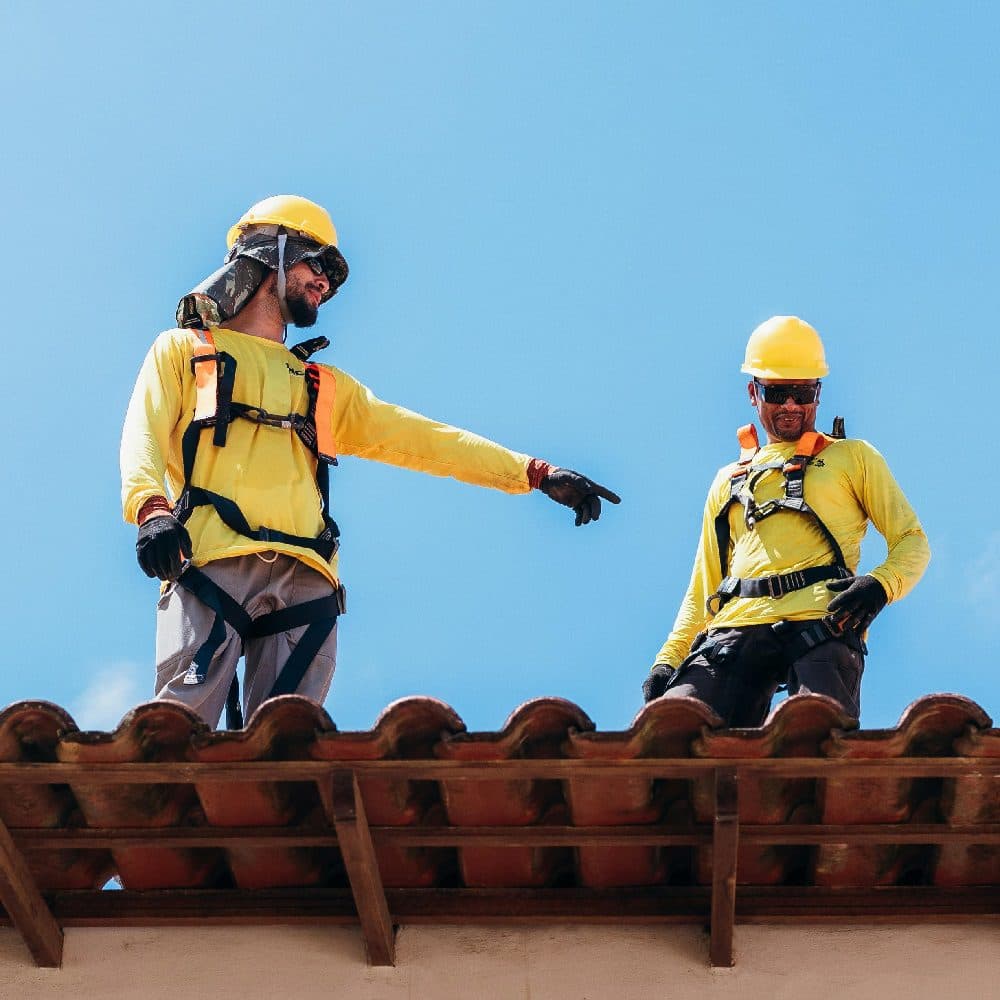
Red flag 5: prices that are too low, and hidden costs
Roof repair quotes that are too low are often bait: the contractor attracts clients with an unrealistically low price and later raises the costs, citing ‘unexpected problems’ or extra work. In Bulgaria, scams like this involve using low-quality materials that cause the roof to deteriorate quickly, or adding hidden charges once the repair has started. For example, fraudsters offer a repair for half the market price, but after stripping the roof they demand thousands more for ‘unforeseen damage’.
To avoid this trap, always get 3-4 quotes from different companies and compare the prices and the scope of work. Discuss any potential extra costs in advance and insist on a detailed contract that sets out every possible scenario. If the price looks too good to be true, it is probably a scam.
Red flag 6: fake damage
Roof repair fraudsters often fake damage to increase their profits. They may deliberately damage the roof by breaking tiles, or present duplicate invoices for repairs that never happened. For example, contractors offer to ‘take a look’ at the roof and deliberately cause damage to justify an expensive repair. In Bulgaria, fraudsters often discourage owners from contacting their insurers (if there is insurance), claiming that they will ‘speed up’ the process or offer a lower price.
Get a second opinion from a licensed company, especially if you suspect the damage has been exaggerated.
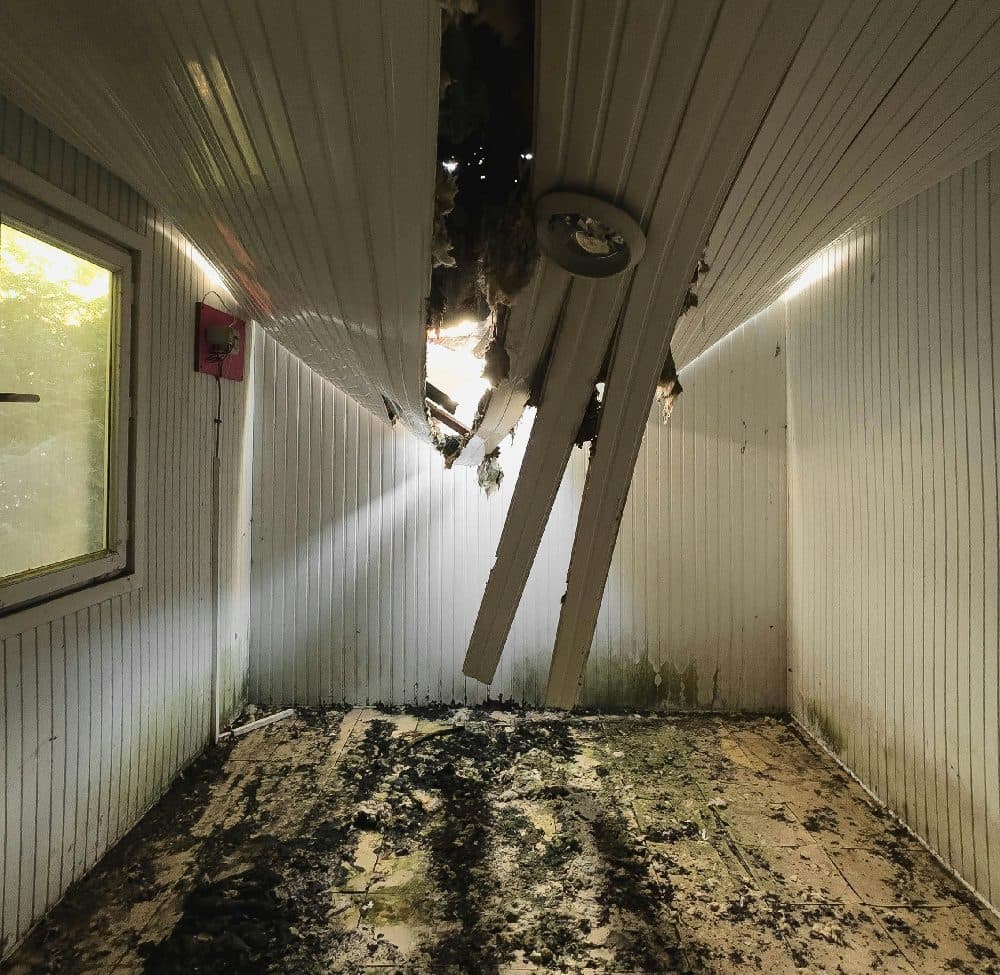
Conclusion
Roof repair scams are a serious problem, but by staying alert and informed you can protect yourself. The main red flags are door-to-door salespeople, pressure to sign contracts quickly, demands for large advance payments, a company that is not registered and suspiciously low prices. These risks lead to financial losses, poor-quality repairs and even damage to your home. By checking the company carefully and comparing quotes, you can avoid these traps. Do not give in to urgency or tempting promises. For a safe, high-quality roof repair, trust professionals with a proven reputation. Contact us today for a free site visit and a transparent quote!
More articles
All articles Roofs
Roofs6 min read
Roof repairs on old buildings: challenges and solutions
The roof of an old building is more than protection – sometimes it is a symbol of history, beauty and architectural value. According to Historic England, more than 60% of old buildings in the UK have roofs in need of repair because of age, worn materials or poor maintenance. No one in Bulgaria has carried out a similar study…
Read Roofs
Roofs6 min read
The pros and cons of different roofing materials
The roof is one of the most important elements of any building, playing a key role in protecting it from the weather, in its energy efficiency and in its appearance. Choosing the right roofing material is essential to the longevity and functionality of the building. Besides their functional characteristics…
Read Plumbing & electrics
4 min read
Rewiring an old apartment: when it’s time and how it’s done
Aluminium wiring, old fuses and sockets that heat up – when old electrical wiring becomes a risk, what replacing it involves, and why it is done before skim coating, not after.
Read