Roof repairs on old buildings: challenges and solutions
The roof of an old building is more than protection – sometimes it is a symbol of history, beauty and architectural value. According to Historic England, more than 60% of old buildings in the UK have roofs in need of repair because of age, worn materials or poor maintenance. No one in Bulgaria has carried out a similar study…
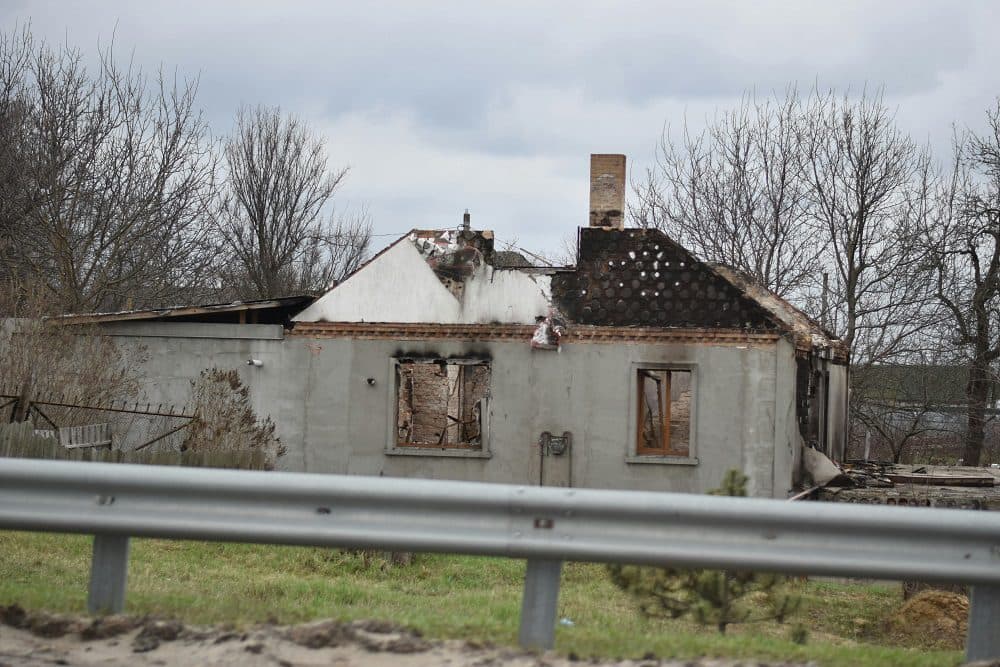
The roof of an old building is more than protection – sometimes it is a symbol of history, beauty and architectural value. According to Historic England, more than 60% of old buildings in the UK have roofs in need of repair because of age, worn materials or poor maintenance. No one in Bulgaria has carried out a similar study, but we are convinced that the figures here are even more striking. Leaks, cracked tiles and incompatible earlier repairs often compromise these structures and threaten their ability to do their job. Repairing such roofs is a challenge that requires a balance between preserving the original appearance and meeting modern standards of energy efficiency and durability. This article looks at the key problems and offers practical solutions, based on expert practice, to help make your roof repair a success. With the support of our professionals, you can give your home long-lasting protection.
The challenges of repairing roofs on old buildings
Repairing the roof of an old building is a complex process that confronts owners and contractors with unique challenges. From structural problems to heritage protection rules and modern requirements, every aspect calls for a careful approach. This section looks at the three main obstacles that make these projects so difficult.
Structural limitations
Old buildings often have weakened or damaged roof structures, which complicates repairs. Timber beams exposed to decades of moisture may be rotten or infested with insects, while uneven foundations increase the risk of instability. Timber structures in early 20th-century buildings (of which Sofia has quite a few) are particularly prone to rot, which can mean replacing the load-bearing elements entirely. The lack of original structural documentation makes planning even harder, as contractors have to rely on on-site inspections. These problems call not only for technical skill but also for careful assessment to prevent further damage to the building.
Historical and aesthetic authenticity
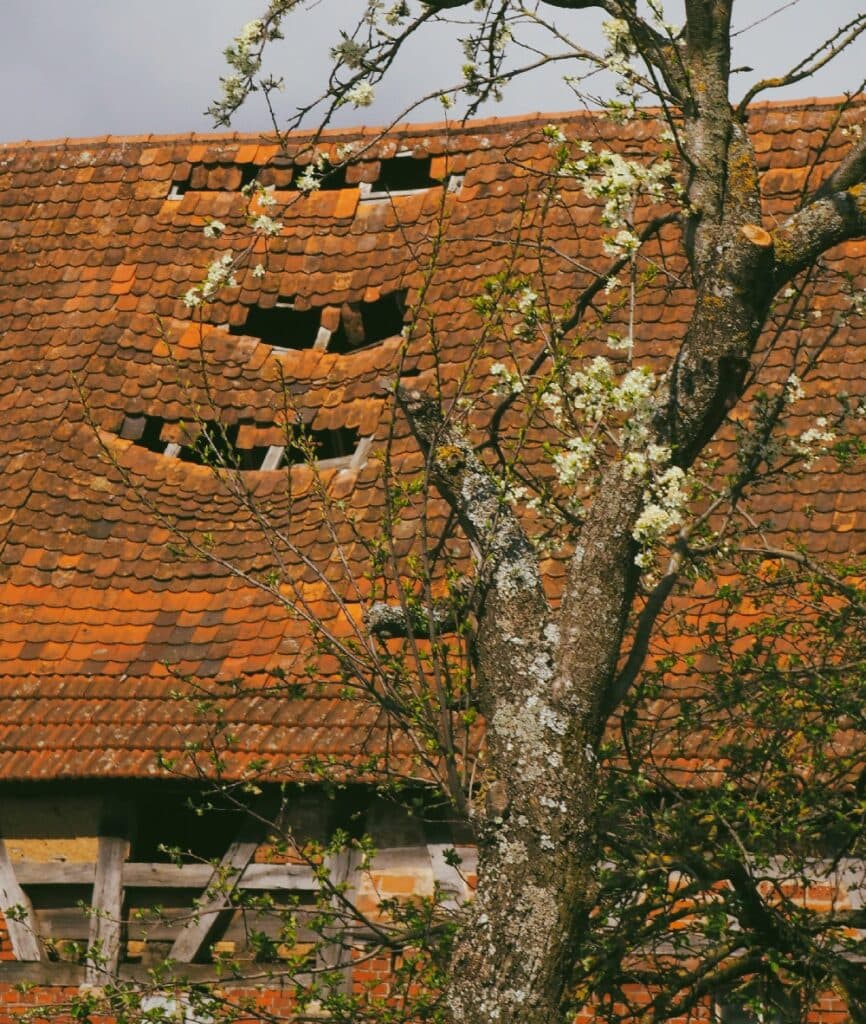
Preserving the historical and aesthetic character of old roofs is essential, but finding suitable materials is a major challenge. Handmade tiles or natural slate, often used in the past, are hard to source or expensive today. What is more, in many European countries restoring the roof of a building listed as a cultural monument requires approval from local committees. These rules restrict the use of modern materials that could change the original appearance. Replacing traditional slate with modern alternatives, for example, may be rejected, which means looking for specialist suppliers or reclaimed materials.
Modern standards and technology
Bringing old roofs up to modern building requirements often creates a conflict between old techniques and new standards. Energy efficiency, waterproofing and fire safety requirements mean adding insulation or new coverings, which can alter the structure or the look of the roof. Insulating an old roof often calls for tailor-made solutions, such as thin-layer materials, to avoid adding weight. Modern waterproofing membranes may also be incompatible with traditional structures, so products have to be chosen carefully. These challenges require expertise to strike a balance between functionality and preserving the building’s historical value.
Common problems and their impact
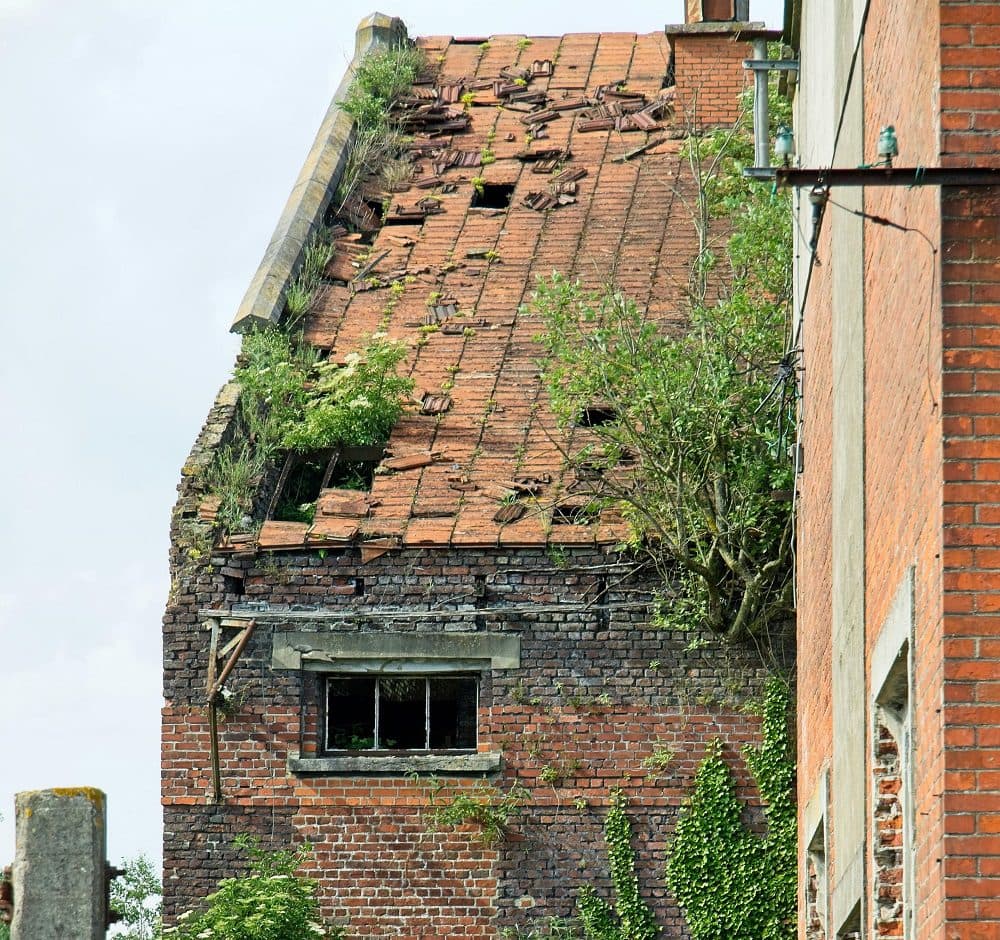
When the roof of an old building is compromised, it leads to serious problems that affect the structure of the home as well as the owners’ finances and emotions. Owners are often stressed by unexpected costs. A timely repair carried out by professionals can prevent this damage and bring back peace of mind.
Leaks and damp – of course! Damaged tiles or poor waterproofing let water in, damaging walls, ceilings and floors. Damp can lead to mould, which is a health hazard and costs extra to get rid of. Leaks in old roofs can increase repair costs by up to 30% if they are not dealt with quickly.
Energy loss is another significant problem. Old roofs often have no insulation, which leads to considerable heat loss. A lack of insulation can increase heating costs by 20–25% in winter. This not only strains the budget but also makes the home less comfortable.
Structural instability is a serious risk. A badly executed repair, or ignoring weakened beams, can lead to partial or total collapse. Damaged roof structures in old buildings increase the risk of damage to the whole building, especially in extreme weather.
Solutions for a successful roof repair on an old building
Assessment and planning
The first step towards a successful roof repair is a thorough assessment by professionals. An initial inspection identifies hidden problems such as weakened beams, leaks or damaged waterproofing. Using drones to inspect roofs can cut assessment time by up to 50%, providing detailed images of hard-to-reach areas. Thermal imaging cameras are also valuable, as they detect heat loss and moisture without invasive methods. This information allows contractors to draw up a precise plan that takes account of the structural features and the regulatory requirements, ensuring that the repair is effective and safe.
Choosing the right materials
The choice of materials is critical for preserving authenticity (in the case of historic buildings) and ensuring durability. Traditional materials such as handmade tiles or natural slate are often hard to source, but alternatives such as reclaimed tiles or synthetic slate offer a solution. Synthetic slate, for example, imitates the original look but lasts longer and needs less maintenance. It is important to check that the materials suit the local climate, as unsuitable ones can wear out quickly, pushing up the cost of future repairs.
Bringing in modern technology
Modern technology makes it possible to upgrade old roofs without compromising on their looks. Adding insulation is key to energy efficiency, but in old buildings it can be complicated. In such cases, thin-layer insulation can be used, which does not significantly alter the structure and preserves the original appearance. Waterproofing membranes that are compatible with traditional roof coverings prevent leaks and extend the life of the roof. Installing ventilation systems is also essential to prevent condensation and rot, especially in regions with high humidity. These improvements not only increase comfort but also reduce heating and cooling costs, while protecting the historic structure.
Working with professionals
Choosing contractors with experience in restoring old buildings is crucial. Unprepared teams can cause damage by undermining the building’s historical integrity or using unsuitable materials. We at RemontS have expertise in working on the roofs of old buildings, offering tailored solutions that respect the regulations and the client’s needs, and we guarantee compliance with heritage protection standards – which is especially important for heritage-listed buildings.
Tips for owners of old buildings
Looking after the roof of an old building takes a proactive approach if you want to avoid expensive repairs. Check the roof at least once a year, especially after heavy storms. Always inspect the gutters after every storm to prevent blockages that lead to leaks. At the first signs of damp or broken tiles, act quickly to limit the damage. Before any repair, consult experts to make sure the work meets modern standards. And if you are really worried, just give us a call – we will offer you a professional assessment and a solution after a free site visit.
More articles
All articles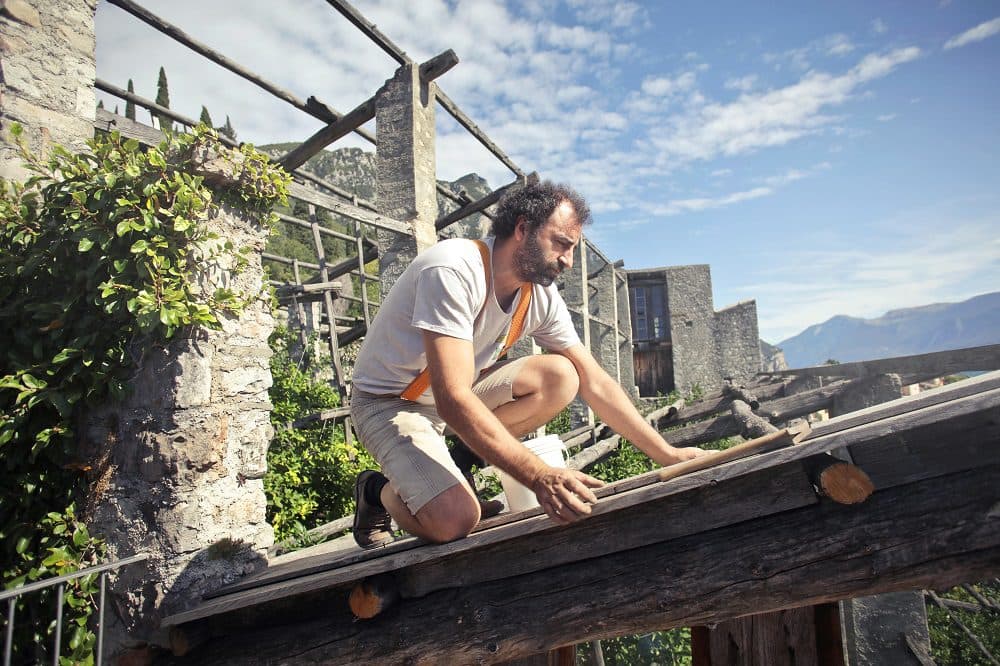 Roofs
Roofs6 min read
How to avoid roof repair scams: the red flags
Every year thousands of homeowners in Bulgaria fall victim to roof repair scams, especially after storms, hailstorms or other weather events. Fraudsters, often posing as ‘specialists’, offer ‘urgent’ services, convincing owners that their roof is in a critical state. These schemes are particularly widespread after natural disasters, when people are at their most vulnerable.
Read Roofs
Roofs6 min read
The pros and cons of different roofing materials
The roof is one of the most important elements of any building, playing a key role in protecting it from the weather, in its energy efficiency and in its appearance. Choosing the right roofing material is essential to the longevity and functionality of the building. Besides their functional characteristics…
Read Plumbing & electrics
4 min read
Rewiring an old apartment: when it’s time and how it’s done
Aluminium wiring, old fuses and sockets that heat up – when old electrical wiring becomes a risk, what replacing it involves, and why it is done before skim coating, not after.
Read