The pros and cons of different roofing materials
The roof is one of the most important elements of any building, playing a key role in protecting it from the weather, in its energy efficiency and in its appearance. Choosing the right roofing material is essential to the longevity and functionality of the building. Besides their functional characteristics…
The roof is one of the most important elements of any building, playing a key role in protecting it from the weather, in its energy efficiency and in its appearance. Choosing the right roofing material is essential to the longevity and functionality of the building.
Besides their functional characteristics, roofing materials also have a significant impact on how a building looks. Their colour and texture can emphasise the architectural style and help the building blend harmoniously into its surroundings.
Clay roof tiles
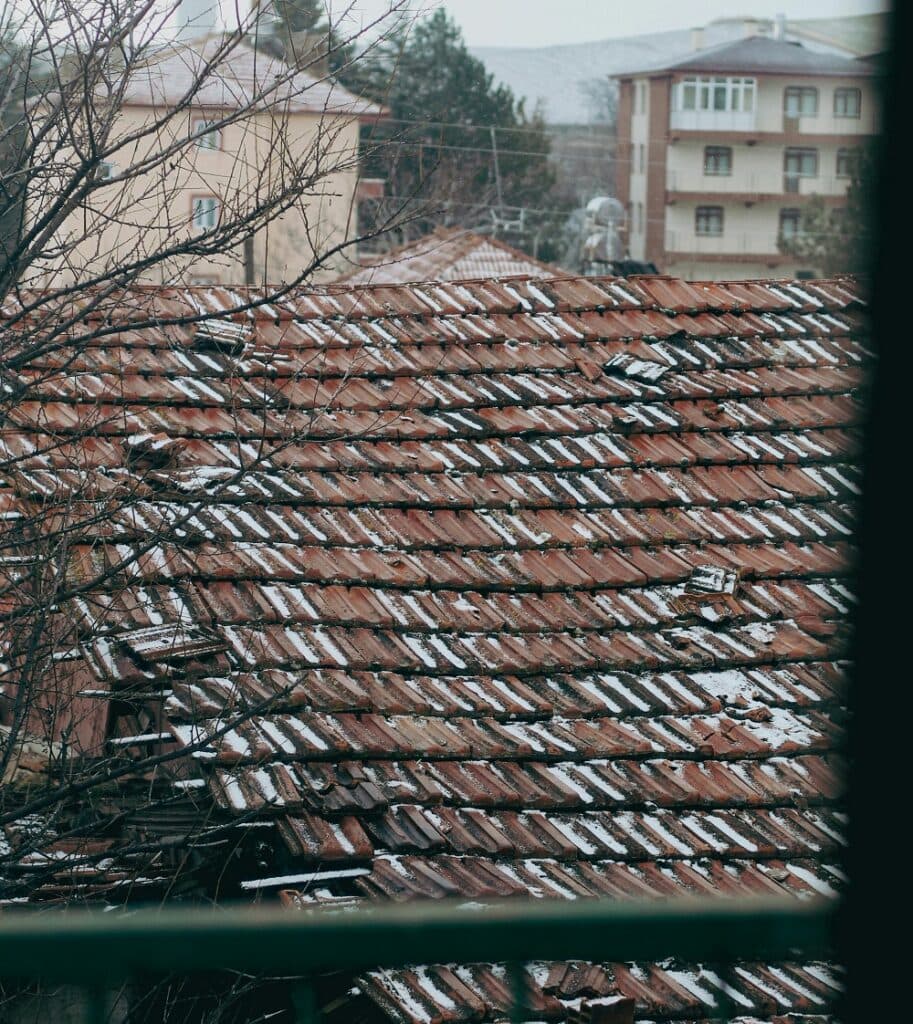
Clay roof tiles are exceptionally durable, with a service life of more than 100 years. They provide excellent thermal and sound insulation, which can reduce the need for additional insulation materials. They are non-combustible and withstand all kinds of weather, including hail, rain and sudden changes in temperature. They come in a variety of colours and shapes, making it possible to create an attractive roof that suits different architectural styles.
One drawback of clay tiles is their considerable weight, which calls for a sturdy load-bearing structure: a square metre of clay tiles can weigh as much as 35–40 kg. They are also among the more expensive roofing materials, which can push up the overall cost of the roof. Another problem is that they are brittle and can break if they are installed incorrectly or take a heavy blow, so they need careful handling and maintenance.
Concrete roof tiles
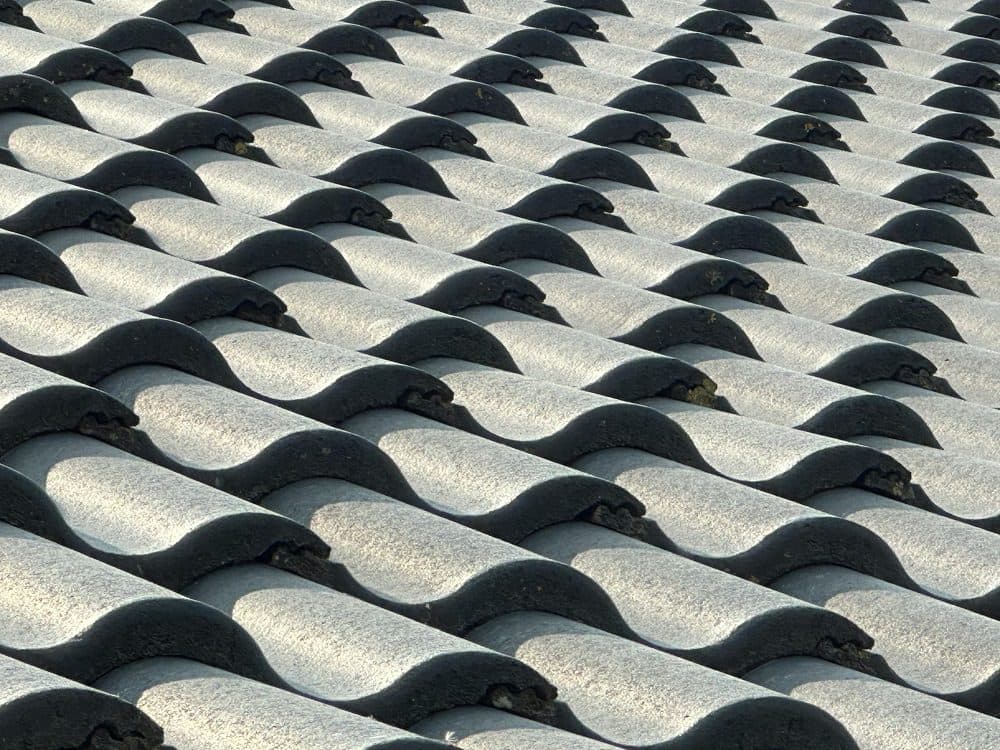
Concrete tiles are usually a more economical choice than clay tiles, which makes them popular when the budget is limited. They are extremely strong and stand up to a range of weather conditions, including rain, snow and wind. Their high density helps them absorb noise from outside effectively.
Because of their greater weight, however, concrete tiles need a strong, stable load-bearing structure to avoid structural problems. Prolonged exposure to UV rays can cause their colour to fade. Installing concrete tiles can also be more complicated and may call for experienced specialists to make sure they are laid correctly and last. If these tiles are your choice, don’t hesitate to contact us – we will help you replace your roof covering, whatever material you choose.
Metal roofs (sheet steel, copper, aluminium)
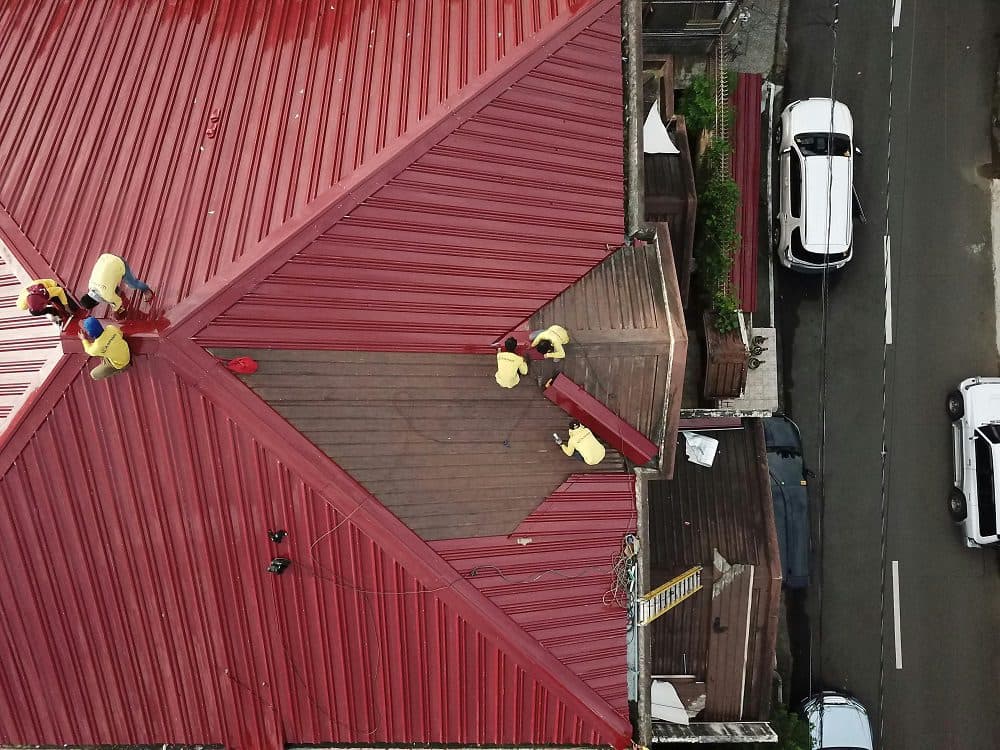
Metal roofs are considerably lighter than traditional roofing materials. Sheet metal roofing, for example, weighs around 4.5 kg/m², whereas clay tiles weigh up to 40 kg/m². This reduces the load on the supporting structure and allows lighter construction methods to be used. Metal roofs are highly resistant to extreme weather such as hail, strong wind and snow. They resist corrosion, especially when they have a suitable coating or are made from materials such as aluminium and copper, which naturally form a protective patina. With proper maintenance, metal roofs can have a long service life (30–50 years), and some materials, such as copper, last even longer. They are quick and easy to install, which can cut construction time and the associated costs.
One of the main drawbacks of metal roofs is their poor sound insulation, which can mean more noise inside the building when it rains or hails. To reduce this effect, additional insulation materials are needed. If a metal roof is not installed correctly, condensation can form, leading to damp and potential damage to the structure. Another drawback is that metal roofs can absorb heat, raising the temperature inside the building in the summer months. To avoid this, suitable thermal insulation is recommended.
Bitumen shingles
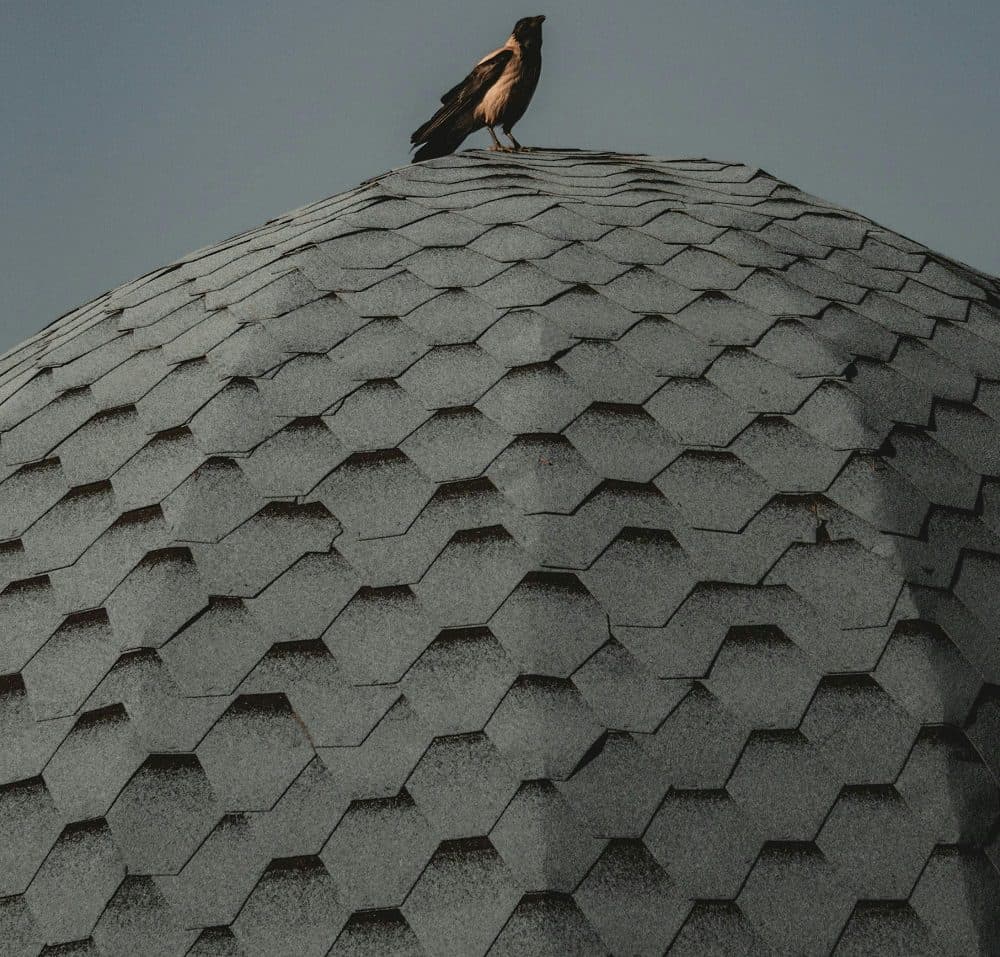
Bitumen shingles are light and flexible, which makes them ideal for roofs with complex shapes, including domes and curves. That makes installation easier and allows for attractive designs. They are highly waterproof and stand up to bad weather such as rain and snow. They also do not rot or rust, which adds to their longevity. Bitumen shingles come in a wide range of colours and shapes, so the roof can be tailored to the owner’s preferences and the architectural style of the building. Compared with other roofing materials such as clay and concrete tiles, bitumen shingles are more affordable, which makes them a cost-effective choice for many homeowners.
Although bitumen shingles have a long life, they usually do not last as long as clay or concrete tiles. Another drawback is that they can soften at high temperatures, which makes them more vulnerable to mechanical damage – from falling objects, for example. And to prevent moisture build-up and potential damage, a roof structure covered with bitumen shingles needs good ventilation.
Slate roofs
Slate is renowned for its durability, with a service life that can exceed 100 years. Its natural look lends elegance and individuality to any building. Natural slate is non-combustible, resistant to moisture and not susceptible to insect damage, which makes it a reliable roof covering. Slate roofs need minimal maintenance thanks to their strength and resilience. They are also a 100% natural product, which makes them an environmentally sustainable choice.
Bear in mind, however, that natural slate is among the most expensive roofing materials, and laying it takes specialist skills, which adds further to the cost. Another downside is its weight, which calls for a strong, stable load-bearing structure able to carry the extra load. Despite its durability, slate can break if it is stepped on incorrectly or takes a heavy blow, so care is needed during installation and maintenance.
How to choose the right material
When choosing a roofing material, it is essential to weigh up factors such as durability, weather resistance, appearance and budget. Each material has its own characteristics that make it suitable for particular conditions and requirements. In areas with heavy rain and snowfall, it is advisable to choose materials that are highly waterproof and can bear heavy loads, such as clay or concrete tiles. For lighter structures, or where the load-bearing capacity is limited, metal roofs or bitumen shingles are a good choice because of their low weight. If you are after a traditional, elegant look, clay and slate roofs offer natural beauty and a variety of designs. Bitumen shingles and concrete tiles are usually more affordable, while slate and some metal roofs may require a larger investment. If you want minimal maintenance and a long service life, clay and slate roofs are an excellent choice.
In short, the choice of roofing material should be tailored to the individual requirements of the project, taking all of the factors above into account to ensure the roof performs well, looks good and lasts. But if you are still wondering which option is best for you, or you need advice and an experienced pair of hands, don’t hesitate – take a look at our roof repair services and get in touch. We work seven days a week, in Sofia and Sofia Province!
More articles
All articles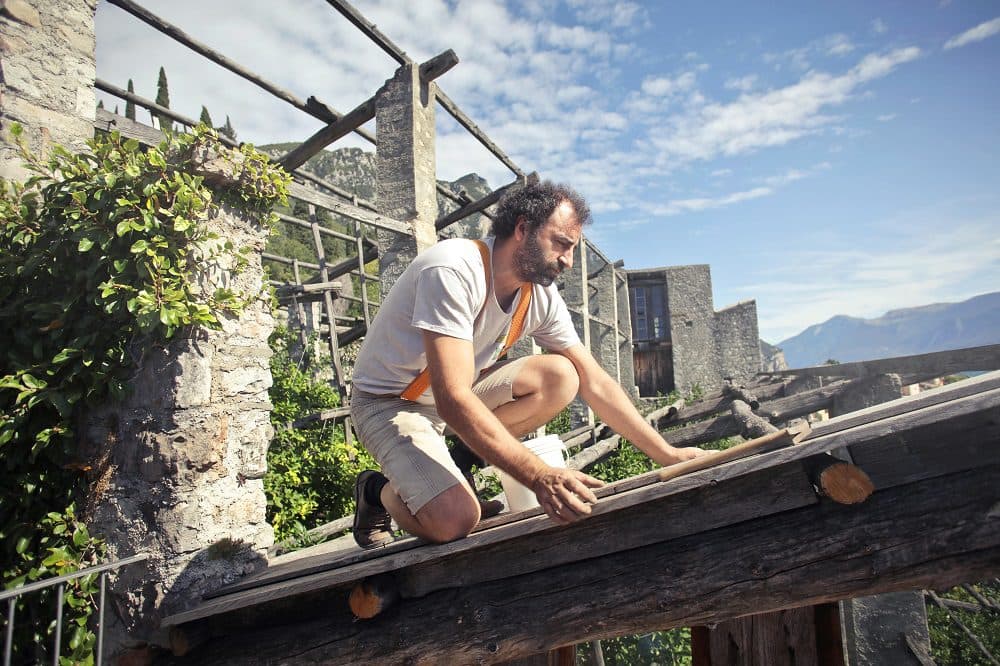 Roofs
Roofs6 min read
How to avoid roof repair scams: the red flags
Every year thousands of homeowners in Bulgaria fall victim to roof repair scams, especially after storms, hailstorms or other weather events. Fraudsters, often posing as ‘specialists’, offer ‘urgent’ services, convincing owners that their roof is in a critical state. These schemes are particularly widespread after natural disasters, when people are at their most vulnerable.
Read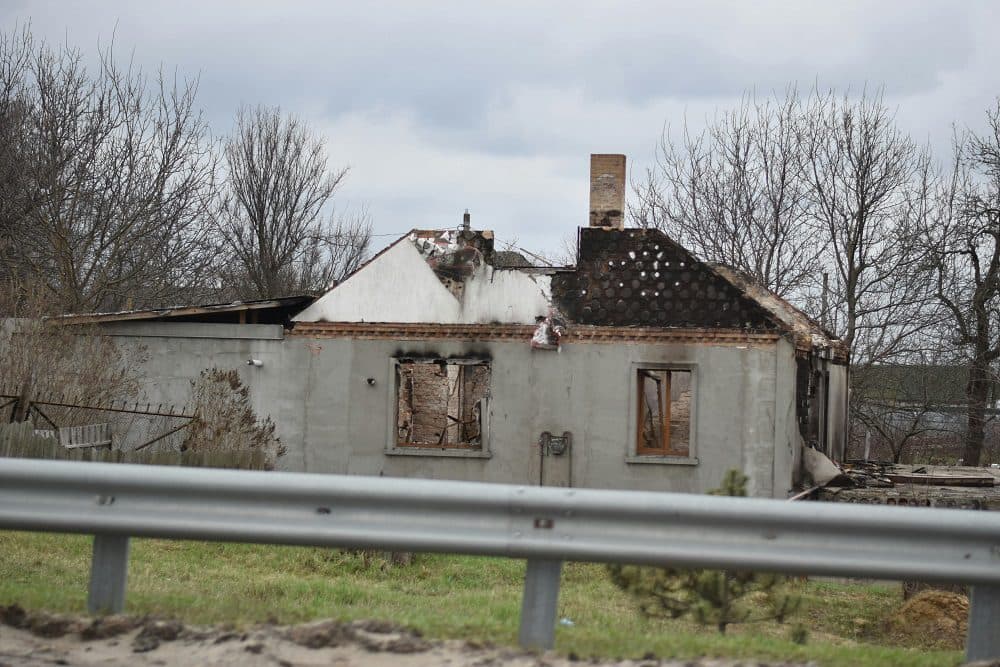 Roofs
Roofs6 min read
Roof repairs on old buildings: challenges and solutions
The roof of an old building is more than protection – sometimes it is a symbol of history, beauty and architectural value. According to Historic England, more than 60% of old buildings in the UK have roofs in need of repair because of age, worn materials or poor maintenance. No one in Bulgaria has carried out a similar study…
Read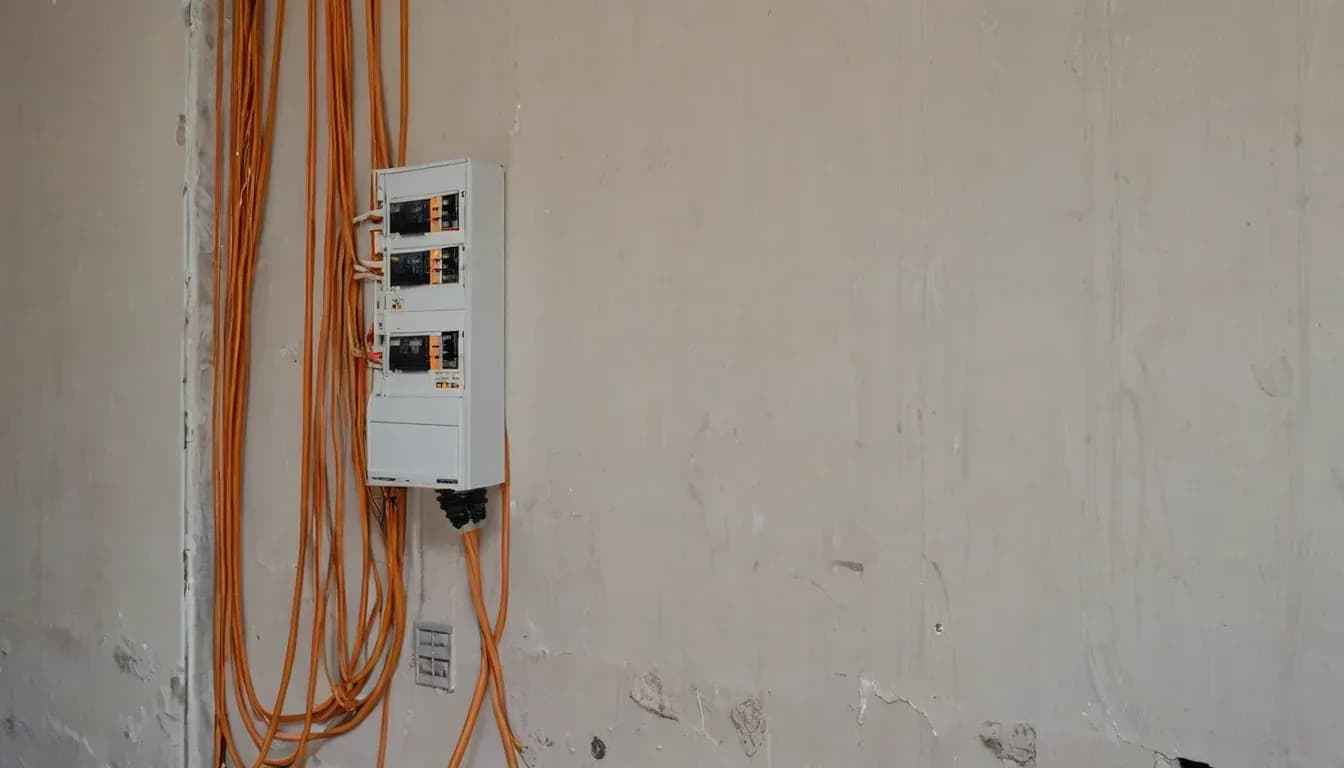 Plumbing & electrics
4 min read
Rewiring an old apartment: when it’s time and how it’s done
Aluminium wiring, old fuses and sockets that heat up – when old electrical wiring becomes a risk, what replacing it involves, and why it is done before skim coating, not after.
Read