The 5 biggest bathroom renovation mistakes (and how to avoid them)
Renovating a bathroom is like walking into a jungle without a map – exciting, but full of traps. It is one of the most complex jobs in the home, because it brings plumbing, electrics, waterproofing and design together in a confined space. A complete bathroom renovation costs roughly €4,000–9,000, including the labour and construction materials…
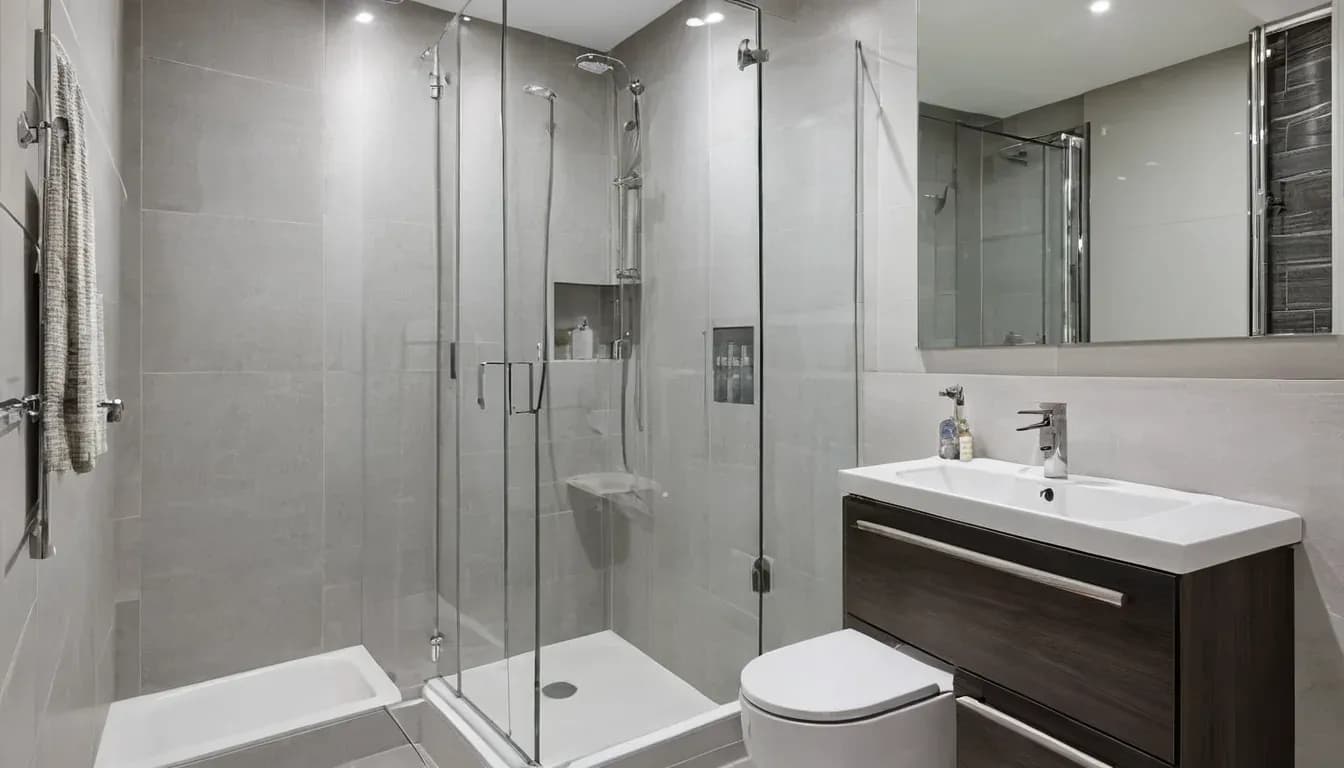
Renovating a bathroom is like walking into a jungle without a map – exciting, but full of traps. It is one of the most complex jobs in the home, because it brings plumbing, electrics, waterproofing and design together in a confined space. A complete bathroom renovation costs roughly €4,000–9,000, including the labour and construction materials, depending on the scale; you choose and buy the tiles, sanitaryware and traps yourself. One mistake can turn your dream spa into an expensive nightmare – from leaks to mould that means another renovation a year later. That is why it is important to know what to avoid. In this article we look at the five most common mistakes. Want a bathroom that is functional, beautiful and free of headaches? Read on!
Mistake 1: Neglecting waterproofing
Waterproofing is the foundation of every bathroom, yet it is often neglected in an attempt to save money or time. Moisture seeping through joints or cracks can cause mould, damage to the walls and even structural problems. This not only lowers your quality of life but also leads to expensive repairs to put right water damage. Without proper protection, even the most beautiful tiles won’t save your bathroom from ruin.
On Houzz, a user from Australia described how, after a renovation, he found mould behind the tiles just a year later. The cause? The contractor had failed to apply a waterproofing membrane around the shower, which let water get into the walls. The result was a complete retiling and extra costs.
Practical tips
- Use quality waterproofing: Apply a liquid or sheet membrane to the floor and walls, especially around the shower and bath. Bob Vila recommends at least two coats of liquid membrane.
- Make sure the floor falls towards the drain: The floor in the shower area should slope at 2% towards the drain so that water doesn’t pool.
- Hire a specialist: Waterproofing demands precision – a professional will make sure the corners and seams are sealed. That is what we at RemontS are here for – with many years of experience in bathroom renovations, there is nothing we can’t handle. Just give us a call!
Mistake 2: Poor space planning
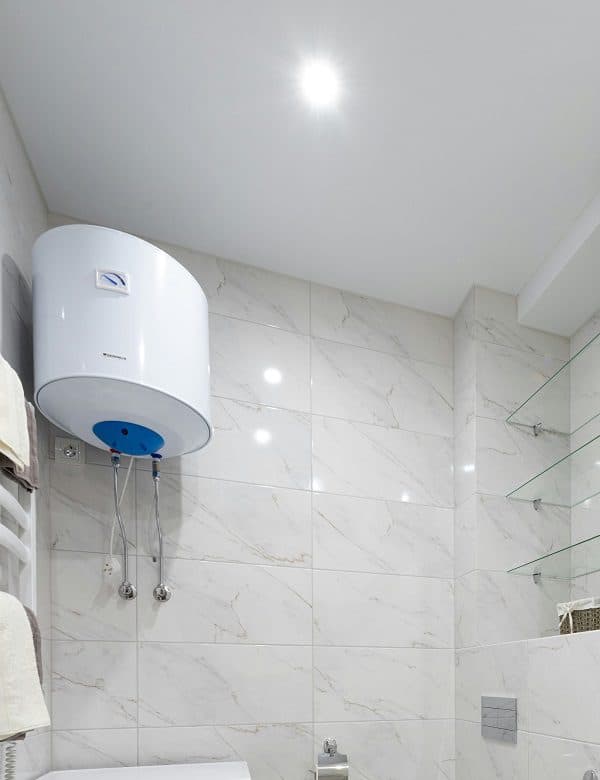
Poor space planning can turn a bathroom into an awkward, impractical room. A badly placed toilet, a shower enclosure that is too narrow or a basin without enough space around it make everyday use a chore. In small bathrooms, often under 5 m², every layout mistake adds to the cramped feeling, while in larger spaces poor planning leaves empty, unusable areas. This not only reduces comfort but can also call for expensive corrections.
Apartment Therapy described the case of a London homeowner who installed a large bath in a small 4 m² bathroom. The result? The door could not open fully, and access to the basin was restricted. A year later he had to replace the bath with a compact shower enclosure.
Practical tips for making the most of the space
- Follow ergonomic standards: Most specialists recommend a minimum of 0.75 m in front of the basin and 0.76 m in front of the toilet for comfort.
- Choose compact solutions: In small bathrooms, use corner basins or wall-hung toilets to save space.
- Consult a designer: A professional can suggest ideas such as sliding doors or storage niches.
- Use free programs such as SketchUp or RoomSketcher to visualise the layout before the renovation.
Mistake 3: Choosing the wrong materials
Choosing the wrong materials for a bathroom can lead to rapid wear, damage or expensive repairs. Common mistakes include using porous tiles that are unsuitable for a damp environment, or furniture that cannot stand up to moisture. Ordinary unglazed ceramic tiles, for example, absorb water, which leads to cracking, while unprotected wooden cabinets warp. Poorly chosen fittings, such as cheap taps, often rust or start leaking within a year. These mistakes not only spoil the look but can also push up replacement costs.
Practical tips for choosing the right materials
- Choose porcelain tiles: They are less porous than ceramic tiles and ideal for bathrooms.
- Invest in durable furniture: Use materials such as PVC or treated wood with a waterproof finish for cabinets.
- Quality fittings: Choose taps and showers made of stainless steel or brass, which resist corrosion.
- For longevity, regularly seal the tile joints with good-quality silicone. This keeps water out and extends the life of the materials.
Mistake 4: Inadequate lighting and ventilation
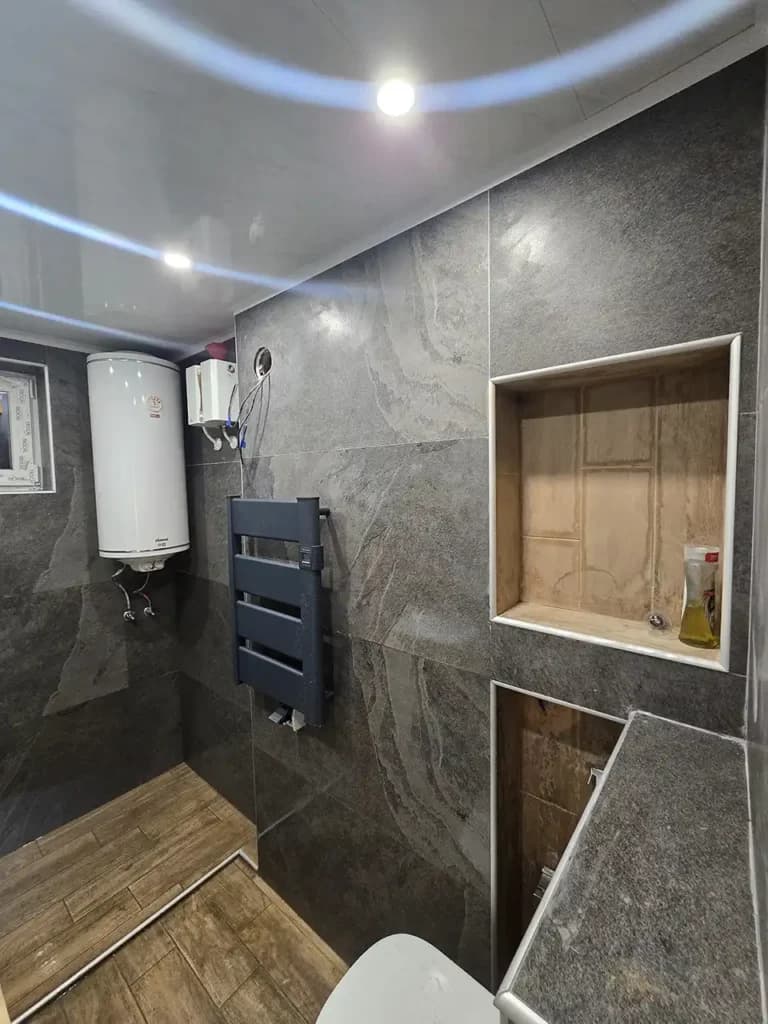
Inadequate lighting and ventilation in a bathroom compromise both comfort and health. Poor lighting makes tasks such as applying make-up or shaving harder, while weak ventilation lets moisture build up, leading to mould and unpleasant smells. A lack of proper airflow can cause health problems such as allergies or respiratory conditions, especially in bathrooms without windows. Lighting, for its part, affects mood and functionality – a dark bathroom looks smaller and uninviting. Fixing these problems can be expensive if fans or light fittings have to be reinstalled.
Practical tips for better lighting and ventilation
- Install a powerful extractor fan: Choose a fan with a capacity suited to the size of the bathroom (at least 50 CFM for 5 m²), according to The Spruce.
- Combine different types of lighting: Use ceiling lights for general illumination and LED mirror lights for tasks such as applying make-up.
- Add a window if possible: If the bathroom has no window, a fan with a timer or a humidity sensor is a must.
- Choose LED lighting with a colour temperature of 3000–4000K for warm yet clear light. It reduces your electricity bills and enhances the bathroom’s design.
Mistake 5: Underestimating the budget
Underestimating the budget is a common mistake that leads to compromises on quality or unfinished projects. Homeowners often fail to include a 10–20% contingency for unexpected costs, such as hidden plumbing problems or rising material prices. This can bring the renovation to a halt halfway through, or force you into cheap, low-quality materials that push up maintenance costs later on. Prices for each task are in our price list.
Practical tips for drawing up a realistic budget
- Add a contingency: Plan an extra 15–20% of the budget for unexpected costs.
- Get several quotes: Compare material prices to avoid overpaying.
- Save by buying quality materials on offer from reputable shops, but don’t compromise on waterproofing or fittings, to avoid expensive repairs down the line.
Conclusion
A bathroom renovation is a challenge, but avoiding the key mistakes can make it a success. Each of these mistakes can be expensive to put right, but with careful planning you will save time and money. Start with a clear vision and professional help! For a flawless renovation in Sofia, trust our specialists. We at remonts.bg have many years of experience in interior renovations, and in bathroom renovations in particular. Get in touch today to turn your bathroom into the space of your dreams!
More articles
All articles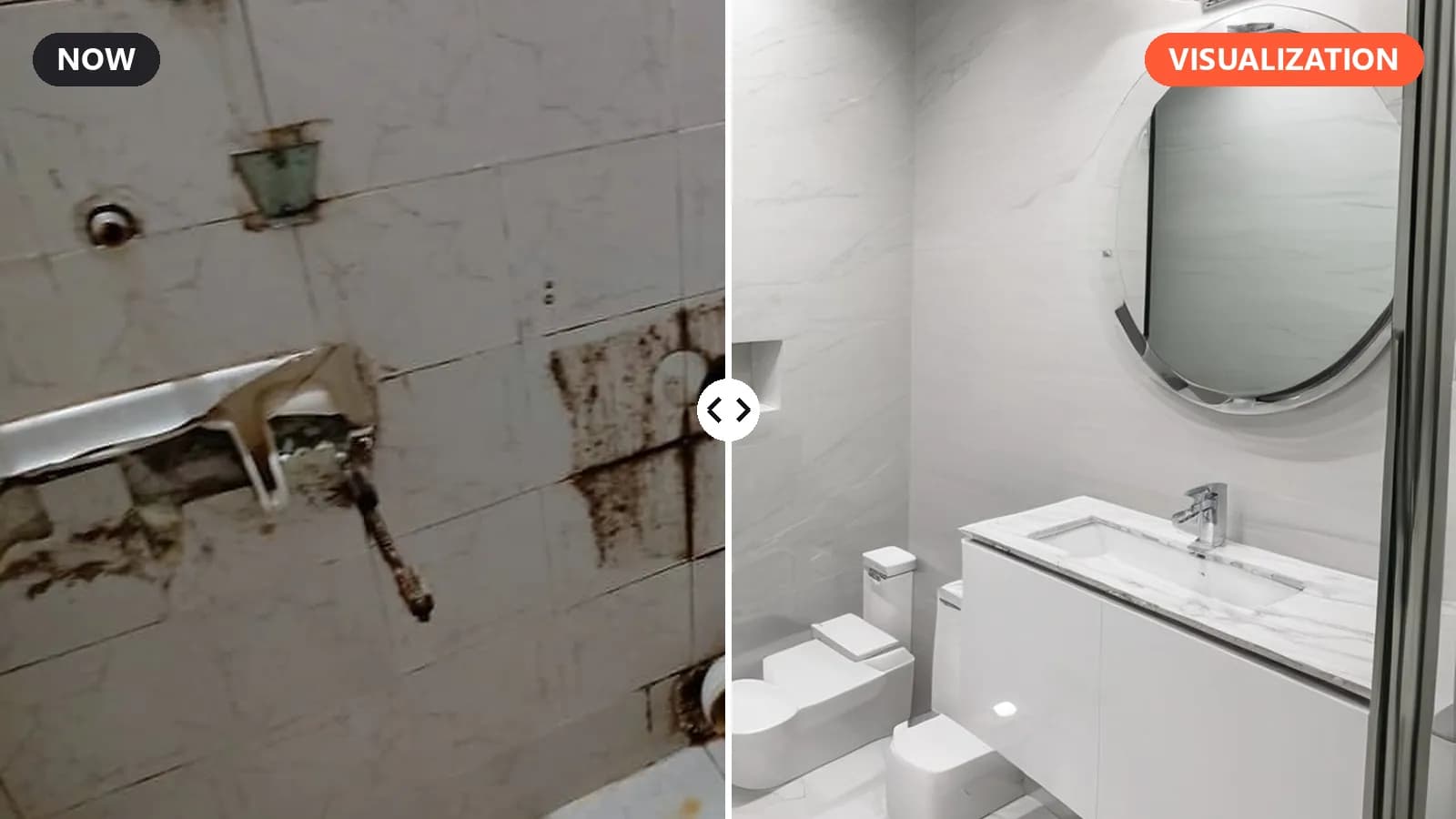 Bathroom
2 min read
New: see your new bathroom before the renovation
Upload a photo of your bathroom as it is now and in about a minute you will see it renovated in three styles – white marble, warm wood and dark stone. Free, no sign-up.
Read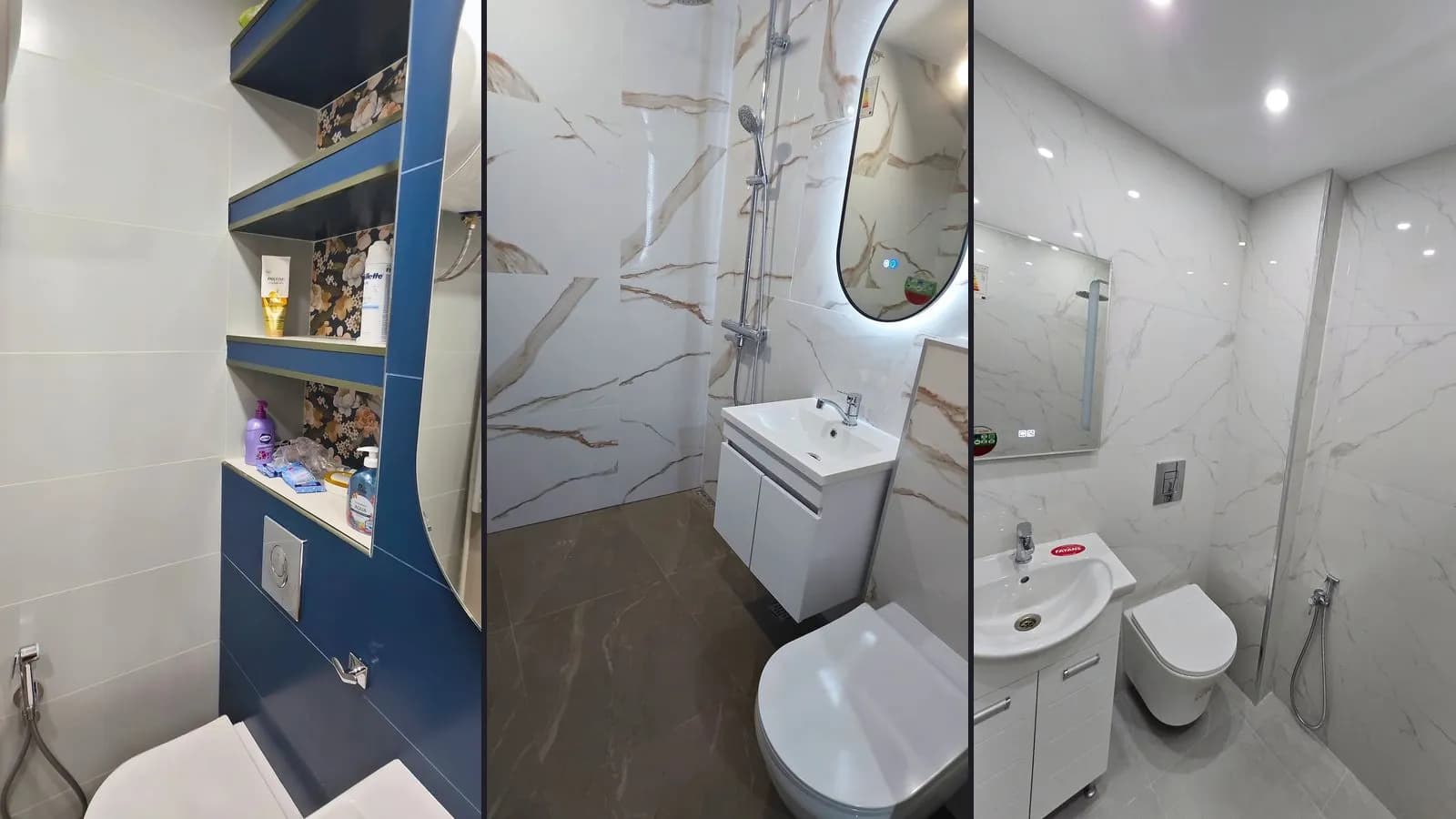 Bathroom
10 min read
Small bathrooms of 2–4 m²: ideas from our projects and what they cost
Walk-in showers, wall-hung toilets, niches and larger tiles in 2–4 m² bathrooms: when they work, how they look in our projects and what they cost.
Read Bathroom
12 min read
Bathroom renovation: labour costs in 2026, task by task
Bathroom labour prices task by task, a worked example for 4 m² and why an old bathroom usually comes to €4,500–5,500 with construction materials.
Read