How to avoid the most common mistakes when painting an apartment
At first glance, painting an apartment looks like an easy, manageable job, but in practice it often turns out to be a test full of pitfalls. Many owners decide to freshen up the walls and ceilings themselves, but seemingly minor oversights can lead to serious disappointment. The consequences can be patchy coverage, stains, peeling, cracking or even a colour that does not match the original idea.
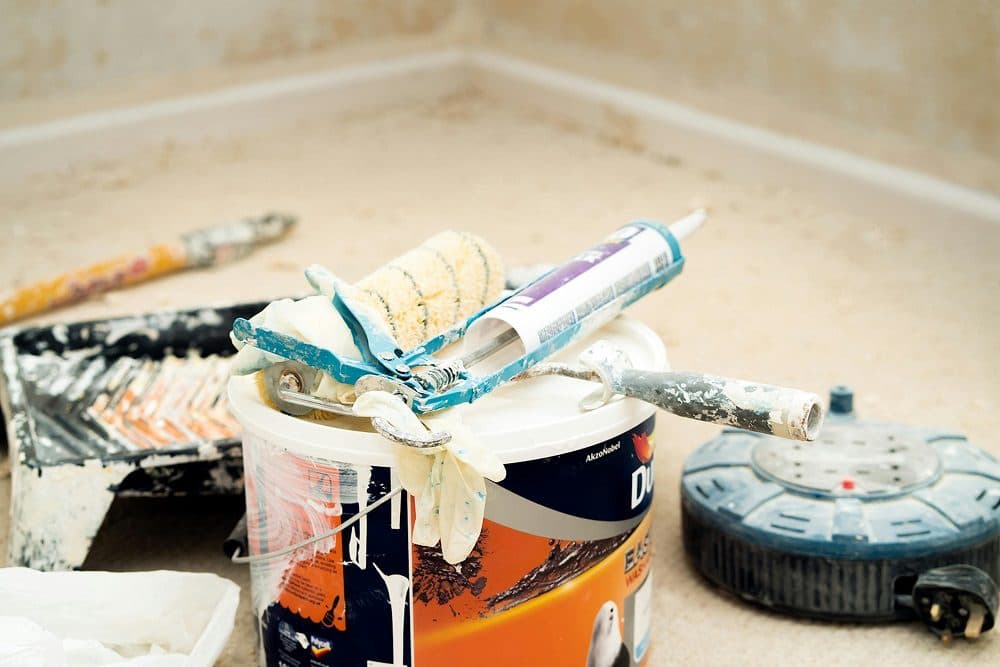
At first glance, painting an apartment looks like an easy, manageable job, but in practice it often turns out to be a test full of pitfalls. Many owners decide to freshen up the walls and ceilings themselves, but seemingly minor oversights can lead to serious disappointment. The consequences can be patchy coverage, stains, peeling, cracking or even a colour that does not match the original idea.
These problems not only spoil the look of the interior but also shorten the life of the new finish, which means extra costs and another renovation much sooner than expected. That is exactly why avoiding painting mistakes matters so much to anyone planning to refresh their home.
Surface preparation – the foundation for successfully painting an apartment
Successfully painting an apartment starts long before the brush or roller touches the wall. One of the most common painting mistakes is underestimating the preparation. The truth is that even the best paint – latex, acrylic or any other – will not show its full potential if the surface has not been prepared properly.
Cleaning and levelling the walls
The first step is to clean off dust, stains and the remains of old coatings. Old, flaking layers of paint or plaster must be removed, and the wall washed if necessary. A common oversight is leaving greasy marks – paint simply does not stick to them and in time starts to peel.
Bumps, holes and cracks need to be filled and skim coated, then sanded smooth. This is particularly important when painting with matt paints (e.g. standard latex), because they show up defects when light falls across the wall from the side.
The role of primer
Another serious oversight is skipping the primer. Primer evens out how absorbent the wall is, improves adhesion and saves paint. On highly absorbent surfaces such as drywall or skim coating, primer is a must. What is more, with proper priming, latex paint, for example, goes on more easily and you use less of it.
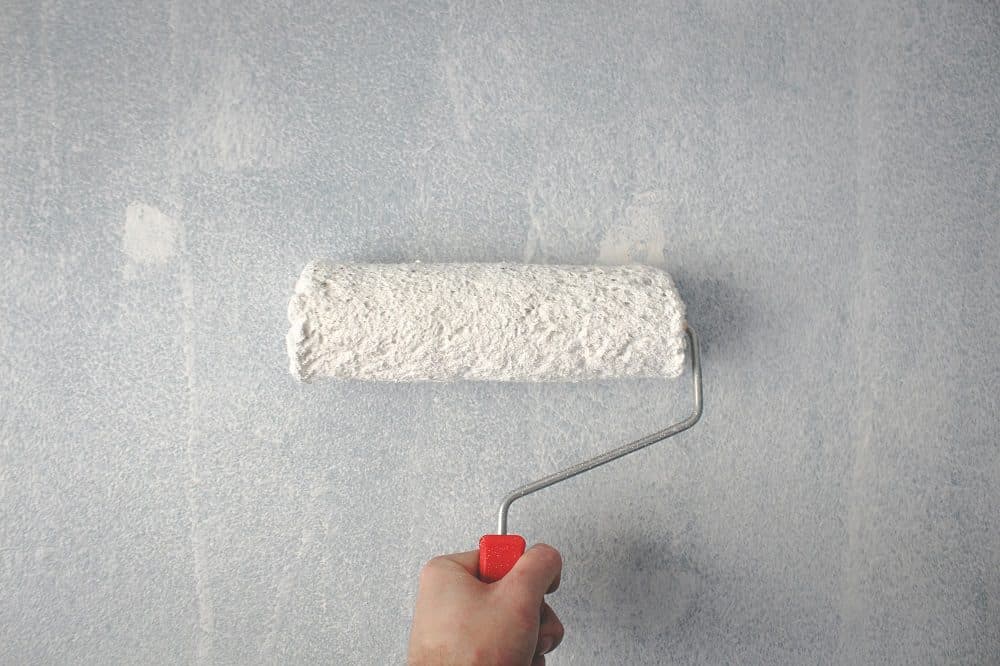
Preparation can seem slow and tedious, but it is exactly what ensures the paint adheres evenly and keeps its colour for years. It is how you avoid the disappointment of peeling, stains and patchy coverage. And if you want your walls to look perfect from the very first coat, leave the preparation and painting of your apartment to the RemontS team – we work with high-quality latex and acrylic paints and guarantee a result that stands the test of time.
Choosing the paint and the finish
This is the point at which many owners make painting mistakes – either they underestimate the type of paint, or they rely solely on the colour in the catalogue without considering how it will look in the real room. For a paint job in an apartment to be durable and attractive, you need to pay attention to three main aspects: the type of paint, the finish and the colour.
The most widely used types of interior paint
- Latex paint – the most popular choice for interiors. It is easy to apply, dries quickly and offers good vapour permeability, which lets the walls ‘breathe’. It is suitable for living rooms, bedrooms and hallways.
- Acrylic paint – more resistant to washing and to wear and tear. It is suitable for kitchens, children’s rooms and bathrooms, where there is moisture or a risk of dirt.
- Silicone paint – highly resistant to dirt and moisture. It is used both indoors and outdoors, and is suitable for high-traffic areas or rooms with high humidity.
- Silicate paint – mainly for mineral surfaces (plaster, concrete). It offers very good vapour permeability and durability, but needs to be applied professionally.
Choosing a finish: matt, satin or gloss
The finish determines not only how the walls look but also how durable they are. Here is what you should know:
- Matt – hides unevenness and defects well and creates a soft, cosy feel. The downside is that it is less washable (unless it is a special washable matt latex). Suitable for bedrooms and living rooms.
- Satin (semi-gloss) – strikes a balance between looks and durability. Easy to maintain, it allows light cleaning. Often used in hallways, kitchens and children’s rooms.
- Gloss – a high-shine finish that adds elegance but shows up every defect in the wall. Suitable for feature walls or rooms with a modern look.
Colour – an often underestimated factor
Choosing a colour from a catalogue alone is a mistake many owners make. The light in the shop is different from the light at home, so the colour can look completely different. The safest option is to get a small sample, apply it to part of the wall and watch the shade during the day and in the evening. That way you will avoid the disappointment of the ‘wrong’ colour.
Tools and application technique
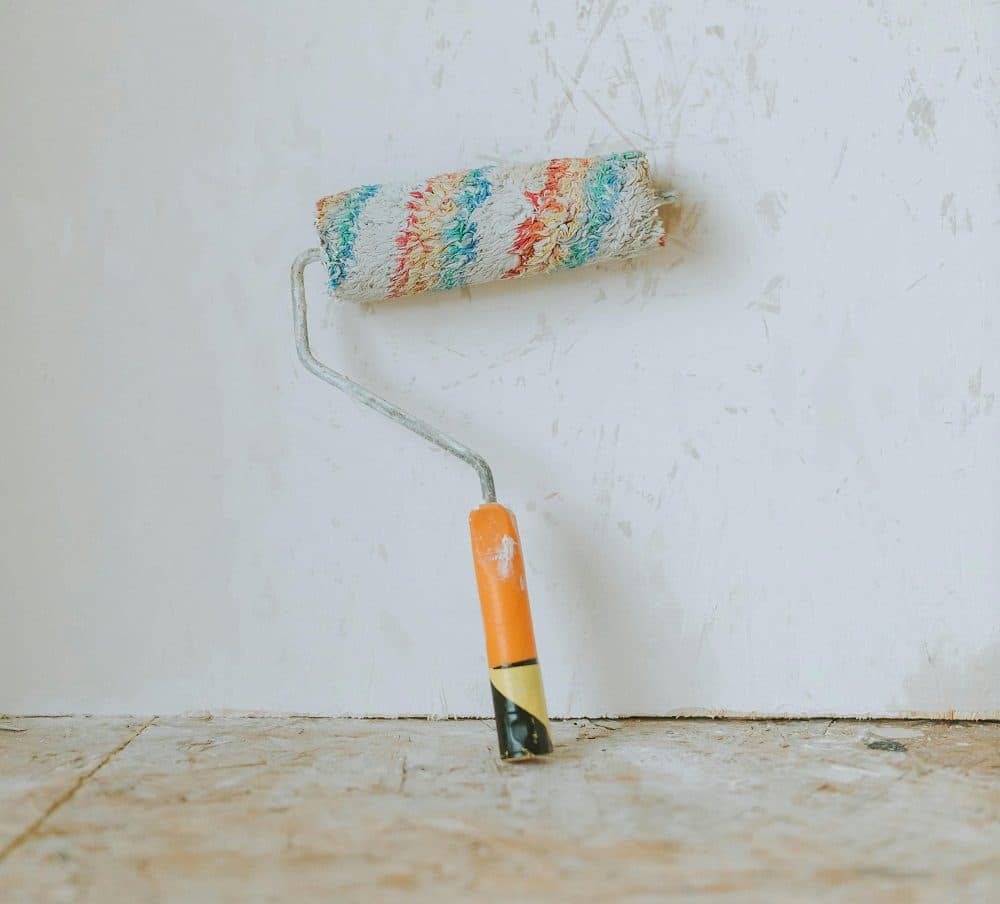
Even if you have chosen the best latex or acrylic paint, the end result when painting your apartment depends to a huge extent on the tools and the way you work. Many people underestimate this stage and use cheap brushes or rollers, which leads to visible marks, patchy coverage and drips on the wall. Brushes with synthetic bristles are best for latex and acrylic, while natural-bristle brushes are more effective with oil-based paints. With rollers, it is important to match the pile length to the surface – short pile for smooth walls, medium for slightly rough ones and long for more textured surfaces.
Application technique is just as decisive as the quality of the paint. One of the most common painting mistakes is applying it haphazardly, which leaves streaks and patches once it dries. The professional approach starts with what is known as ‘cutting in’ – carefully going over the edges and corners with a brush before using the roller. The paint is then applied evenly from top to bottom with smooth strokes, dipping the roller into the paint in moderation and squeezing out the excess so that it does not run down the wall. Instead of one thick coat, which dries with difficulty and can crack, the better option is two or three thinner coats. You should also work in good light so that no patches are missed – and stopping in the middle of a wall almost always leaves marks that show once it dries.
If you want a flawless paint job in your apartment or home, with no brush marks or unevenness, trust the RemontS team. We work with professional tools and proven techniques, so you get a finish that lasts for years.
Application and drying conditions
Even the best paint can give disappointing results if the application and drying conditions are wrong. One of the common mistakes when painting a home is ignoring the temperature and humidity in the room. Paint needs normal conditions to adhere properly and dry evenly. If the room is too cold, drying slows down, which can lead to cracking or unevenness. At very high temperatures, on the other hand, the paint dries too quickly, which often results in streaks, visible roller marks and a different shade of colour in different areas. The same goes for moisture – in rooms with high humidity, paint struggles to harden and there is a risk of blistering or peeling within the first few months.
Another serious mistake is applying the next coat too soon. Manufacturers usually state the minimum drying time between coats, but many people ignore it in their hurry to finish the job. The result is poor adhesion between the coats, which leads to peeling or patchy coverage that is visible within just a few days. Ventilation in the room is also essential – good airflow helps the paint dry faster and more evenly, but strong draughts should be avoided, as they can cause dust to settle on the fresh paint.
When the conditions are carefully controlled, the paint keeps its colour and texture for a long time, and the surface stays smooth and durable. This is one of those small steps that make the big difference between amateur and professional painting.
Details, protection and finishing
Very often, when painting an apartment, owners underestimate the small details and protecting the room. If the furniture and floor are not covered, it is almost certain they will get splashed. Drops of paint on parquet, window frames or decorative features are hard to clean off and sometimes leave permanent marks. Protective sheeting, masking tape for the edges and special covers are a small investment that saves a lot of trouble. Just as important is how you work in the corners and along the edges. When paint is applied straight on with a roller, without cutting in with a brush first, the lines end up uneven and unsightly. The professional approach involves carefully cutting in the edges, after which the roller gives even coverage over the main areas.
Another common mistake is using masking tape incorrectly. If it is left on the wall for too long, removing it can pull off some of the dried paint. Best practice is to take the tape off while the surface is still slightly wet, which ensures a clean, straight edge. It is also important to keep the last stage in mind – the finishing. Many people stop after the second coat and think that is enough. In reality, though, the final inspection and small touch-ups are decisive for the end result. Even small drips or light marks can spoil the overall impression if they are not corrected in time.
With the RemontS team, you will not have to worry about paint-spattered furniture or imperfect edges. We provide full protection for the room, attention to every detail and a finish that brings out the beauty of your home.
Conclusion
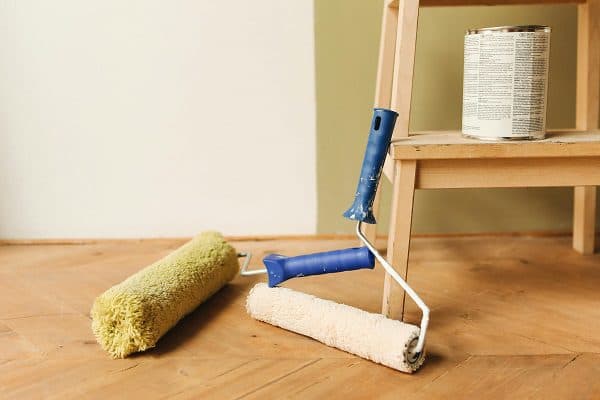
Painting an apartment looks like an easy job, but experience shows that this is exactly where mistakes are made most often. Unprepared walls, no primer, the wrong choice of paint or finish, poor-quality tools, unsuitable working conditions and neglected details – all of this can turn a planned refresh into a disappointment. The results are often patchy coverage, peeling, stains and walls that quickly lose their fresh look.
This is where an experienced team comes in. RemontS offers a complete apartment painting service in Sofia and the surrounding region – from thorough preparation and choosing the right materials to flawless workmanship and a perfect finish. If you want to avoid all the common painting mistakes and get a lasting result without unnecessary worry, trust the professionals. Get in touch today for a free site visit and see for yourself that your home can look exactly the way you imagine it.
More articles
All articles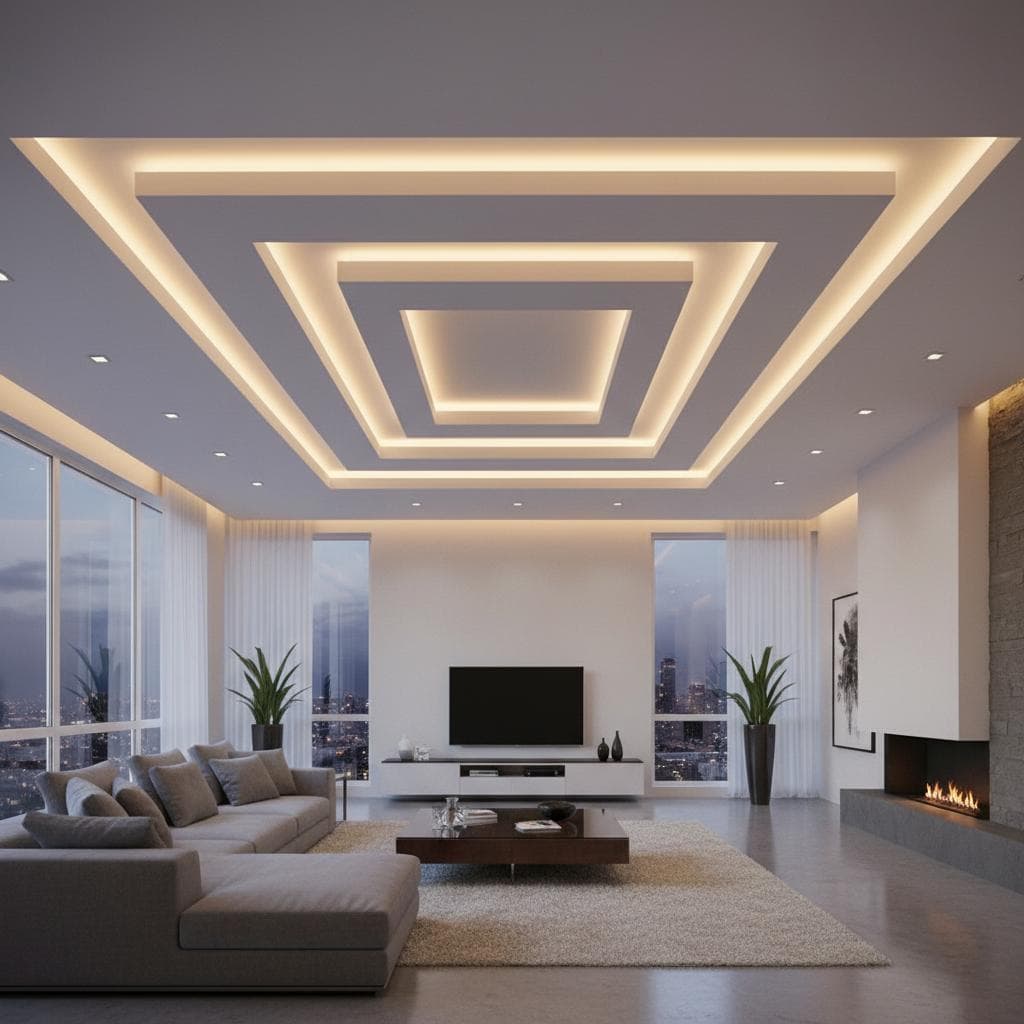 Finishing work
8 min read
Curved shapes in drywall: bold ideas for a striking ceiling
Have you ever thought about how a ceiling can transform the whole feel of your home? With a drywall ceiling you can go far beyond straight lines and achieve movement, flow and a unique character. While classic flat surfaces create a sense of completeness, curved and three-dimensional structures add an element of surprise, style and individuality that instantly catches the eye.
Read Finishing work
8 min read
Plaster vs paint – which is the better choice for your interior?
When it is time for an interior renovation, one of the most common questions homeowners ask is: should I go for paint or decorative plaster? Both have their own advantages, look and price points, which makes each suitable in different situations. The choice is not just about aesthetics – it has a direct effect on the atmosphere, the durability and even the budget of the renovation.
Read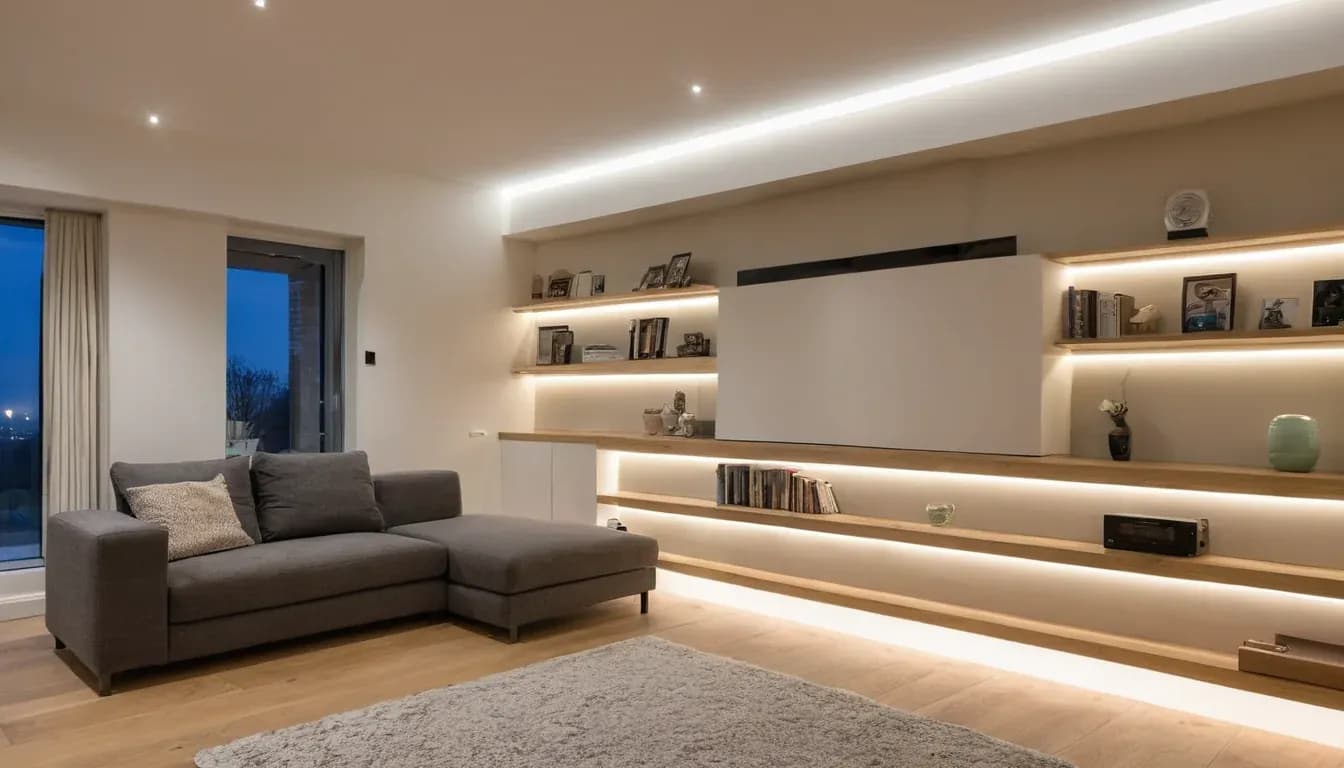 Finishing work
6 min read
Why drywall is the key to a flexible, modern interior
Drywall is one of the most versatile and popular materials in today’s interior renovations, and the basis for countless interior solutions. This light yet strong material – a gypsum core wrapped in paper – is a favourite with designers and builders for its flexibility, affordable price and ease of working.
Read