Drywall and suspended ceilings: ideas for a modern interior
Drywall and suspended ceilings are key elements of contemporary interior design, offering both practical and aesthetic benefits. They make it possible to create a variety of shapes and structures that not only improve the look of a room but also offer practical ways of concealing…
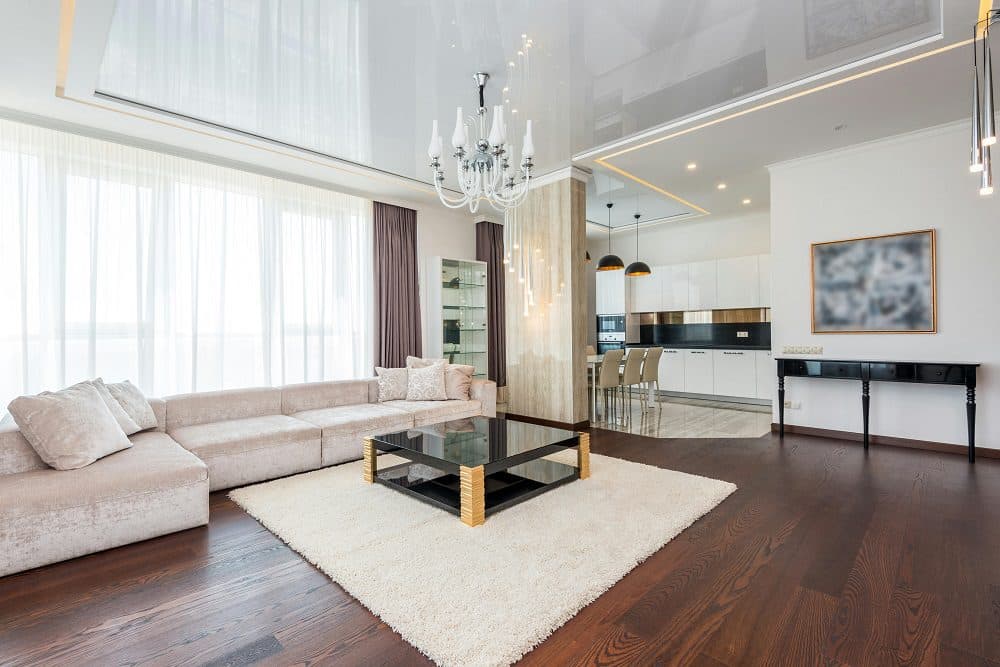
Drywall and suspended ceilings are key elements of contemporary interior design, offering both practical and aesthetic benefits. They make it possible to create a variety of shapes and structures that not only improve the look of a room but also offer practical ways of concealing wiring and pipework and improving the acoustics.
Drywall is the material of choice for building interior walls and ceilings because it is light and versatile. It makes it easy to create all kinds of designs, including curved shapes and multi-level structures. Drywall also offers good sound insulation and is fire-resistant, which makes it a suitable choice for many rooms in the home.
Suspended ceilings, for their part, make it possible to integrate light fittings, electrical cables, pipework, ventilation systems and other services, while hiding unsightly elements from view. They can be made from a range of materials, including drywall, polystyrene and Fibran (XPS), allowing a variety of textures and shapes in the interior. If you want to change the look of your home completely, don’t hesitate to get in touch – we build suspended ceilings and all kinds of drywall features.
Including drywall and suspended ceilings in your interior design not only improves the look of a space but also contributes to energy efficiency and comfort at home.
The advantages of drywall and suspended ceilings
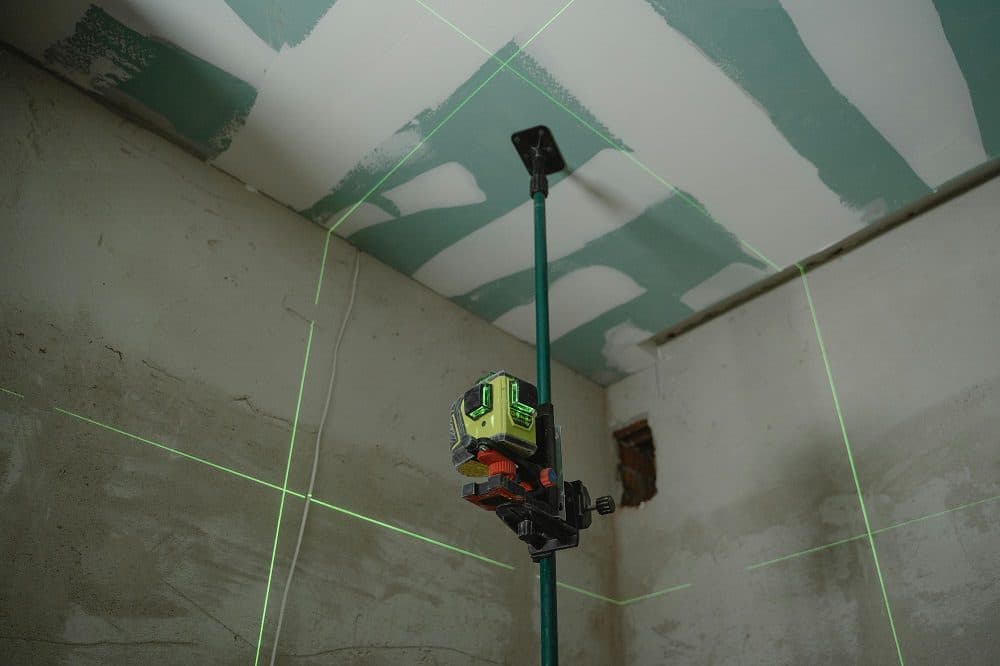
Drywall and suspended ceilings offer many advantages that make them a popular choice in modern construction and interior design – we have already listed some of them above. Drywall makes it possible to achieve perfectly flat walls and ceilings, ready for painting or other decorative finishes. It has a perfectly smooth surface, and combined with mineral wool it significantly improves a room’s thermal insulation, helping to maintain an optimal indoor temperature. Combine drywall with stone wool and you effectively reduce unwanted noise getting in, for a quieter, more comfortable home. Being lightweight, drywall puts no unnecessary load on the building’s structure, which is especially important in conversions and renovations. It is also worth noting that it contains no harmful substances. Installing drywall and suspended ceilings is relatively quick and does not create much mess – which can sometimes matter enormously to the occupants. Suspended ceilings also make it easy to integrate all kinds of lighting, including concealed lighting, which gives a room a unique style and atmosphere.
Types of suspended ceiling
Drywall suspended ceilings are built by fixing drywall boards to a metal frame. They allow a variety of shapes and levels, which helps give a room an individual design. As already described, they are good for concealing wiring and pipework and improving the acoustics. In damp rooms, moisture-resistant drywall is recommended.
Another type of suspended ceiling is the grid ceiling, also known as an ‘Armstrong’ ceiling. It consists of a visible metal grid into which panels or tiles are laid. These ceilings are easy to install and maintain, and they give quick access to the services hidden above them. Grid ceilings are common in offices and commercial premises.
Stretch ceilings are decorative ceilings made from PVC or fabric membranes stretched over a pre-installed frame. They come in a variety of colours and textures, including matt, satin and gloss finishes. They are moisture-resistant and easy to clean, which makes them suitable for all sorts of rooms.
Slatted suspended ceilings are made up of long, narrow panels (slats), which can be made from aluminium, steel or PVC. They resist moisture and corrosion, which makes them suitable for damp rooms such as bathrooms and kitchens.
Strange as it may sound, there are also wooden suspended ceilings. They consist of wooden panels or slats fixed to a supporting frame. Wooden suspended ceilings bring warmth and cosiness to an interior while also offering good acoustic properties. They need special care to keep them looking good and make them last.
Made from aluminium or steel panels, metal suspended ceilings are durable and easy to maintain. Because they resist moisture and are easy to clean, they are suitable for spaces with strict hygiene requirements, such as hospitals and laboratories.
Design ideas for modern interiors with suspended ceilings
Suspended ceilings offer many ways to transform an interior, combining function and aesthetics. Ceilings with geometric shapes, such as hexagons or diamonds, can add dynamism and individuality to a space, and these shapes can be emphasised with contrasting colours or materials.
Metal ceiling panels made from aluminium or steel give a room an industrial, contemporary look. They come with various coatings and can be polished or perforated, and they suit spaces with a modern design. We have already mentioned integrating wooden elements into a suspended ceiling – they bring warmth and a natural look. Wooden panels can be arranged in different patterns or textures, complementing a modern interior with a touch of nature.
And, of course, we must not forget concealed lighting. It can highlight architectural features and give a space depth. Building LED lighting into a suspended ceiling creates a soft, even spread of light.
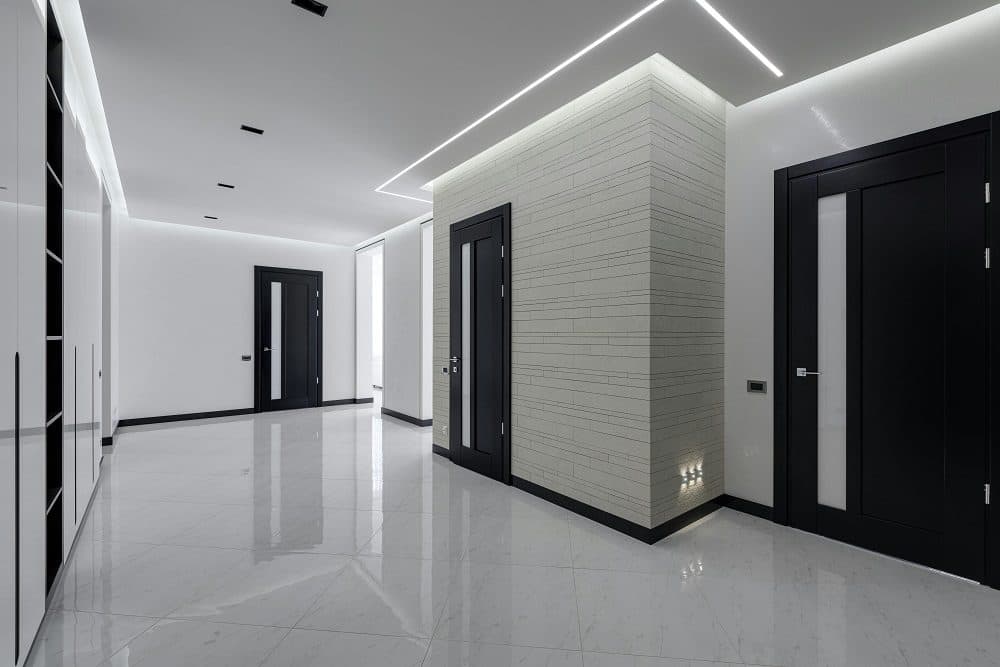
Multi-level ceilings add dimension and interest to an interior. The technique lets you zone a space, and it can be combined with different materials and lighting to create the atmosphere you want. Mirrored panels in a suspended ceiling are another interesting option – they can make a space look bigger and reflect light, giving a sense of spaciousness and elegance.
In rooms where sound absorption matters, acoustic panels can be used as part of the suspended ceiling. They not only improve the acoustics but also come in a range of designs and colours that complement a modern interior.
Combining materials in suspended ceilings
Combining different materials in a suspended ceiling design makes for unique and practical interior solutions. Pairing the smooth surface of drywall with the warmth and texture of wood, for example, can produce a balanced, attractive design. Wooden beams or panels integrated into a drywall ceiling add depth and character to a space. Another interesting combination is metal elements, such as aluminium or steel panels, with wooden accents – this gives a modern industrial look with a touch of cosiness. It suits contemporary interiors that seek a balance between the coolness of metal and the warmth of wood.
Lightweight materials such as polystyrene and Fibran make it possible to create a wide variety of shapes and features in suspended ceilings. They are easy to install and can be painted in different colours, which helps personalise the design. Another interesting material used in suspended ceilings is glass-fibre reinforced gypsum (GRG). This composite combines lightness and strength, allowing complex shapes and details in suspended ceilings while also ensuring durability and resilience.
Practical tips for looking after suspended ceilings
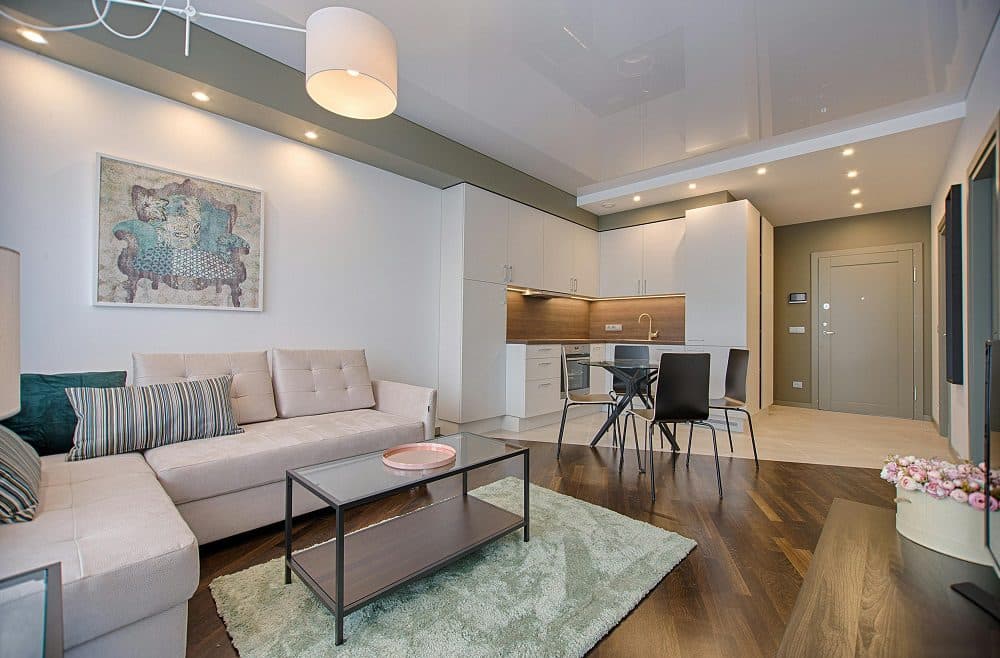
Check your suspended ceiling regularly for signs of sagging, cracks or damp. Spotting problems early can prevent more serious damage and costly repairs. To clean the ceiling, use a soft cloth or sponge dampened with water and a mild cleaning product. Avoid soaking it, which can damage the drywall or leave stains. If cracks or holes appear, clear the dust from the affected area and apply a suitable filler. Once it is dry, sand the surface smooth and apply the appropriate finish. With more serious damage, such as warping or sagging, the affected boards – or even part of the supporting frame – may need replacing. In very humid rooms such as bathrooms or kitchens, use moisture-resistant drywall and make sure there is good ventilation to prevent moisture build-up and mould.
Following these practical tips will help keep your suspended ceiling durable and looking good. If you are in doubt or need a complex repair, you can contact us. After a free site visit, we will tell you how we can help.
More articles
All articles Finishing work
9 min read
How to avoid the most common mistakes when painting an apartment
At first glance, painting an apartment looks like an easy, manageable job, but in practice it often turns out to be a test full of pitfalls. Many owners decide to freshen up the walls and ceilings themselves, but seemingly minor oversights can lead to serious disappointment. The consequences can be patchy coverage, stains, peeling, cracking or even a colour that does not match the original idea.
Read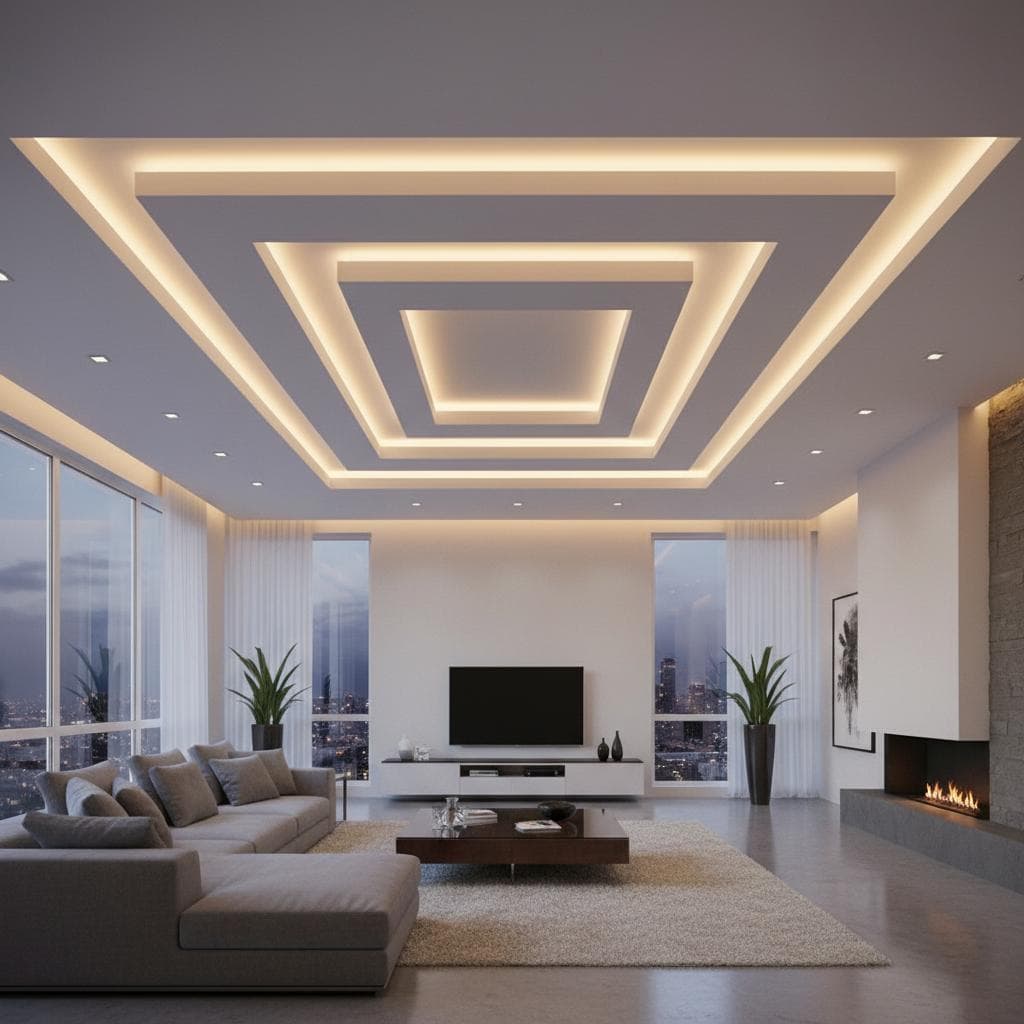 Finishing work
8 min read
Curved shapes in drywall: bold ideas for a striking ceiling
Have you ever thought about how a ceiling can transform the whole feel of your home? With a drywall ceiling you can go far beyond straight lines and achieve movement, flow and a unique character. While classic flat surfaces create a sense of completeness, curved and three-dimensional structures add an element of surprise, style and individuality that instantly catches the eye.
Read Finishing work
8 min read
Plaster vs paint – which is the better choice for your interior?
When it is time for an interior renovation, one of the most common questions homeowners ask is: should I go for paint or decorative plaster? Both have their own advantages, look and price points, which makes each suitable in different situations. The choice is not just about aesthetics – it has a direct effect on the atmosphere, the durability and even the budget of the renovation.
Read