Why drywall is the key to a flexible, modern interior
Drywall is one of the most versatile and popular materials in today’s interior renovations, and the basis for countless interior solutions. This light yet strong material – a gypsum core wrapped in paper – is a favourite with designers and builders for its flexibility, affordable price and ease of working.
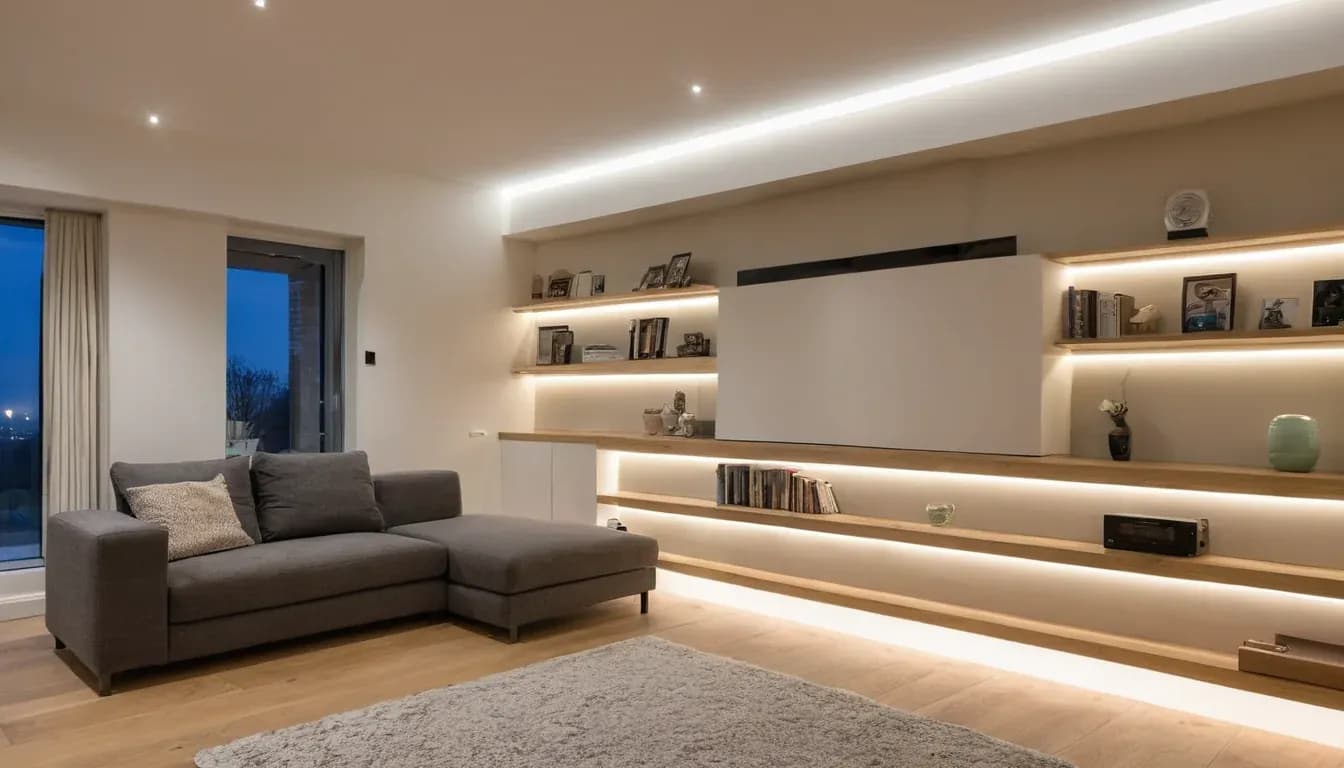
Drywall is one of the most versatile and popular materials in today’s interior renovations, and the basis for countless interior solutions. This light yet strong material – a gypsum core wrapped in paper – is a favourite with designers and builders for its flexibility, affordable price and ease of working. Whether you want to create a feature wall, zone a space or add decorative details, drywall offers endless possibilities for transforming your home. In the US it is among the most widely used materials for creating modern interiors. It not only makes the building process easier but also allows for creativity without great expense. Would you like to transform your home without spending a fortune?
Drywall in the modern interior and its advantages
Drywall is a building material made of a gypsum core wrapped in strong paper, used mainly to build interior walls and ceilings. According to USG Corporation, one of the leading manufacturers, drywall is valued for its light weight, quick installation, affordable price and fire resistance – some types can withstand fire for up to 4 hours. These qualities make it ideal for creating safe, functional spaces.
There are several types of drywall, each with its own use: standard board for general purposes, moisture-resistant board for bathrooms and kitchens, and fire-resistant board for areas with higher safety requirements. Moisture-resistant drywall, for example, is essential in damp rooms – as in a project by a Canadian firm featured in Canadian Living, where it was used for a bathroom with built-in niches for lighting and shelves.
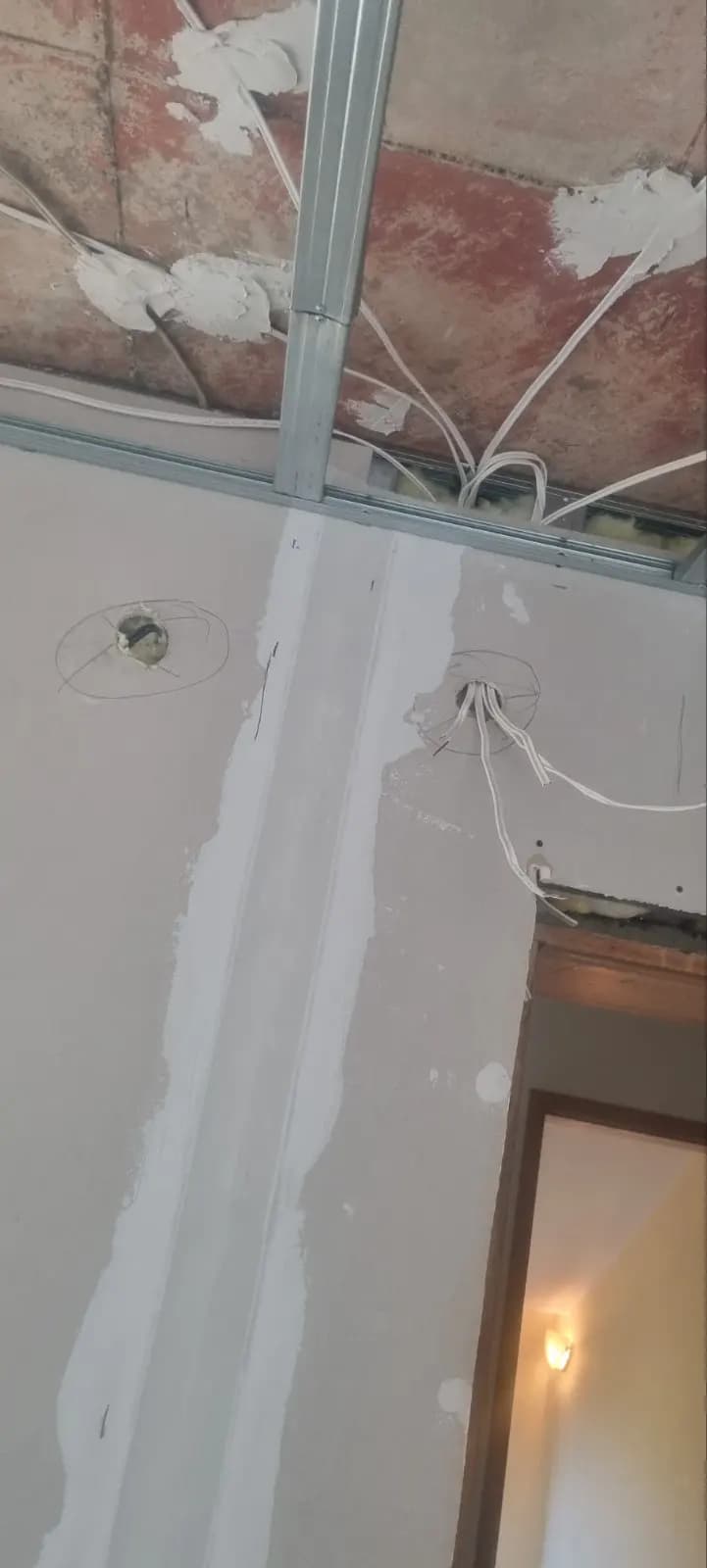
The material is easy to cut and shape, which makes it simple to create complex designs without significant cost.
Drywall’s flexibility in interior design
One of the most common uses of drywall is building partitions to zone spaces, especially in modern open-plan offices. In London, architects often use drywall to create light yet sturdy partitions that divide work areas without sacrificing the sense of space. These partitions can easily be removed or reconfigured, which makes them ideal for spaces that keep changing.
Drywall is also the material of choice for decorative features such as niches, arches and built-in shelving, which add character and practicality. It makes it possible to create complex shapes that transform an interior. In one Australian project from the TV show The Block, for example, drywall was used to build a wave-shaped ceiling in a restaurant, creating a unique look that impresses visitors.
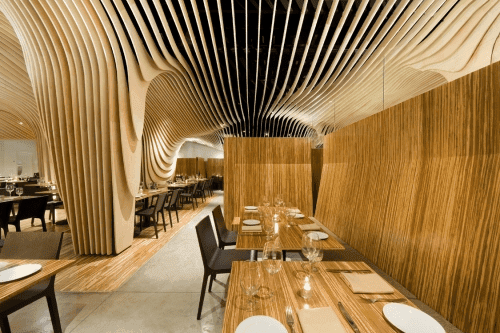
This design shows how the material can be shaped to meet designers’ boldest visions.
Drywall can easily be cut and shaped with basic tools, so complex features such as curved walls or decorative cornices can be made without specialist equipment. That makes it accessible to professionals and DIY enthusiasts alike.
Modern interior solutions with drywall
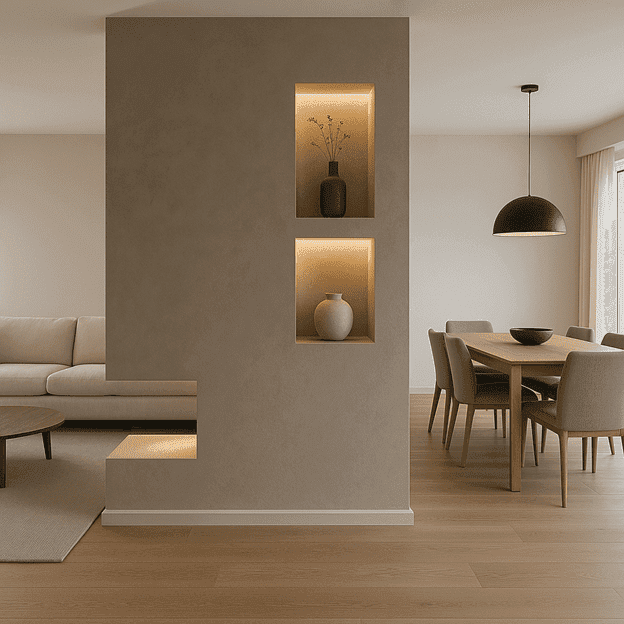
Drywall underpins the interior trends of 2025, thanks to how well it fits into minimalist designs, feature walls and built-in storage. According to Architectural Digest, minimalism remains the leading trend, with drywall used to create clean lines and smooth surfaces that bring elegance without unnecessary detail (https://www.architecturaldigest.com/story/interior-design-trends-2025). Feature walls, often with textured paint or decorative finishes, are especially popular. One New York apartment featured in Dwell, for example, has a drywall wall finished in textured grey paint that adds depth and sophistication to the living room. This approach shows how drywall can turn an ordinary wall into a work of art.
Integration with modern technology is another key aspect. Drywall makes it easy to build in channels that hide the cables for smart lighting, audio systems or even home automation. According to HomeAdvisor, such solutions are increasingly sought after in today’s homes because they deliver a clean look and practicality. LED strips built into drywall niches, for example, can create a dramatic effect in a bedroom or kitchen while keeping the look uncluttered.
Sustainability is another important factor. Drywall is recyclable, and many manufacturers offer products with recycled content, reducing the environmental footprint. That makes it suitable for eco-friendly projects – a growing trend in design.
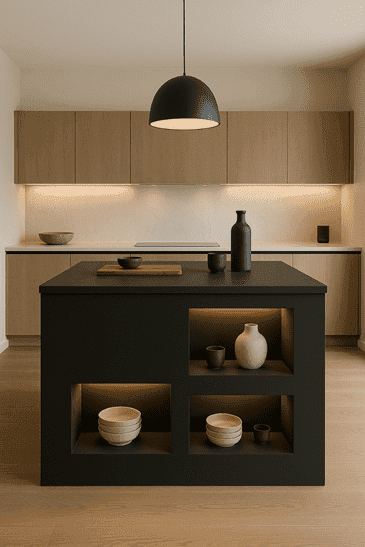
Drywall is the ideal material for creating modern interiors that combine style, technology and sustainability to meet the needs of today’s home.
Practical tips for using drywall in your renovation
To use drywall effectively in your renovation, start by choosing the right type of board for the room. Moisture-resistant drywall is a must for bathrooms and kitchens, while fire-resistant board is ideal for areas with higher safety requirements, such as garages.
Installing drywall involves several key stages: measuring, cutting, fixing, skim coating and painting. Start by measuring precisely to avoid waste, then cut the boards with a drywall knife and screw them to a frame. Skim coating and sanding are critical for a smooth surface before painting. The basic tools are a drill driver, a drywall knife, a tape measure and a filling knife.
Common mistakes include incorrect fixing, which leads to cracking, and insufficient skim coating, which leaves the joints visible. Of course, if you have never done any renovation work and have no wish to venture into this vast world, we will be happy to help. Our drywall team has many years of experience, and even your boldest ideas won’t scare us. The interior of your dreams is just a phone call away.
How drywall compares with other materials
Drywall stands out as the preferred material for interior renovations compared with alternatives such as brick, timber or concrete. It is considerably lighter, cheaper and easier to install, which makes it ideal for quick, budget-friendly projects. Unlike brick, which requires complex masonry work, or concrete, which is heavy and hard to work with, drywall goes up quickly and needs no specialist skills.
Compared with timber, drywall is less prone to warping and rot, and it is also more affordable. That makes it suitable for long-lasting interior solutions. Drywall does have its limits, though – it is not suitable for load-bearing structures, as it lacks the necessary strength.
A visual example: picture a modern apartment with a smooth drywall wall painted white next to a brick wall with its natural texture. The drywall looks clean and modern, while the brick adds rustic charm.
Conclusion
Drywall is an indispensable material for today’s interior renovations, thanks to its flexibility, affordable price and ability to create a modern, elegant look. Its light weight and ease of working make it possible to create distinctive features such as feature walls, niches and partitions that transform any space. From minimalist designs to complex decorative shapes, drywall gives you creative freedom without great expense. It is also sustainable and integrates easily with technology such as smart lighting, which makes it ideal for modern homes. Still, if you have decided to change the interior of your home or office, it is wise to bring in professionals so that everything is done quickly and well, without unnecessary stress. That is what we at RemontS are here for – start your project today!
More articles
All articles Finishing work
9 min read
How to avoid the most common mistakes when painting an apartment
At first glance, painting an apartment looks like an easy, manageable job, but in practice it often turns out to be a test full of pitfalls. Many owners decide to freshen up the walls and ceilings themselves, but seemingly minor oversights can lead to serious disappointment. The consequences can be patchy coverage, stains, peeling, cracking or even a colour that does not match the original idea.
Read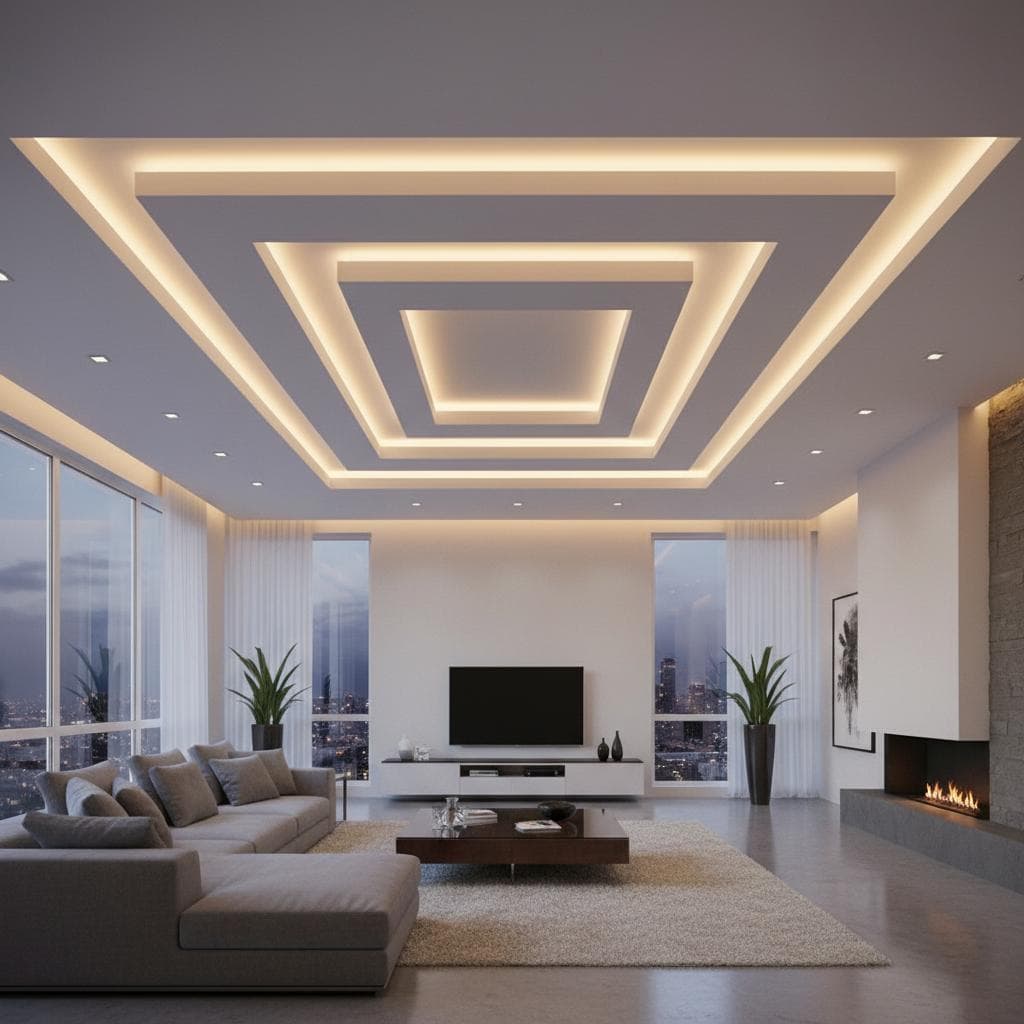 Finishing work
8 min read
Curved shapes in drywall: bold ideas for a striking ceiling
Have you ever thought about how a ceiling can transform the whole feel of your home? With a drywall ceiling you can go far beyond straight lines and achieve movement, flow and a unique character. While classic flat surfaces create a sense of completeness, curved and three-dimensional structures add an element of surprise, style and individuality that instantly catches the eye.
Read Finishing work
8 min read
Plaster vs paint – which is the better choice for your interior?
When it is time for an interior renovation, one of the most common questions homeowners ask is: should I go for paint or decorative plaster? Both have their own advantages, look and price points, which makes each suitable in different situations. The choice is not just about aesthetics – it has a direct effect on the atmosphere, the durability and even the budget of the renovation.
Read