Paint or wallpaper: which to choose for your home
When it comes to creating a cosy, attractive home, choosing the right wall finish plays a key role. Walls do not just shape a space – they also reflect the personal style and preferences of the people who live there. Two of the most popular ways to decorate walls are paint and wallpaper. Although both…
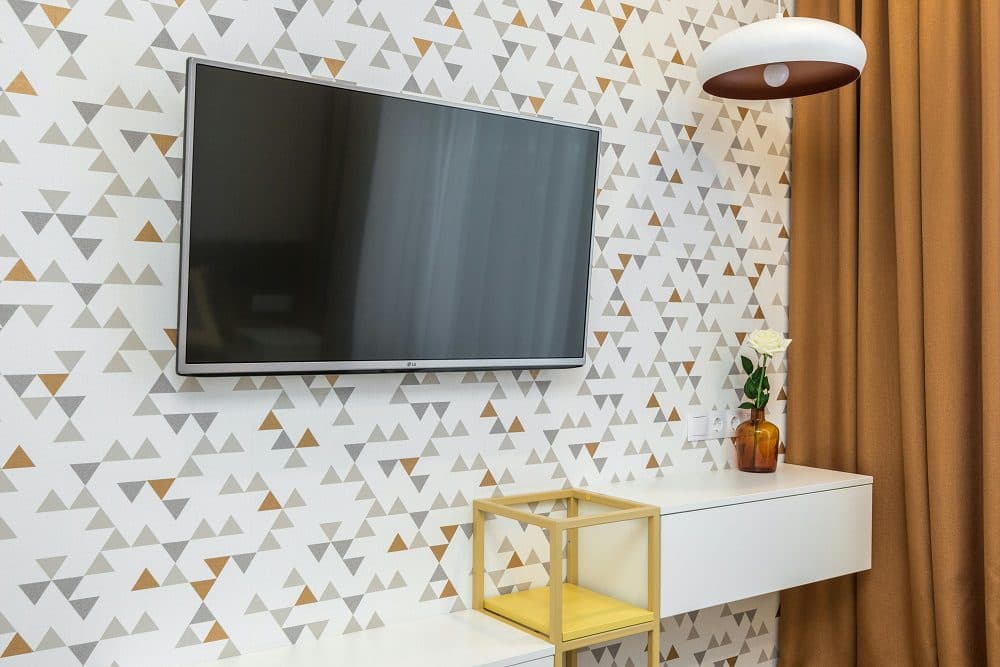
When it comes to creating a cosy, attractive home, choosing the right wall finish plays a key role. Walls do not just shape a space – they also reflect the personal style and preferences of the people who live there. Two of the most popular ways to decorate walls are paint and wallpaper. Although both have their advantages and disadvantages, which one to choose depends on many factors, including what the room is used for, the budget and the look you want. This article compares paint and wallpaper, looking at their pros, their cons and the situations each one suits.
The pros and cons of paint
Painting the walls is one of the most popular ways to refresh and personalise an interior. It offers a number of advantages, but it also has drawbacks that are worth considering before you decide.
Advantages of paint
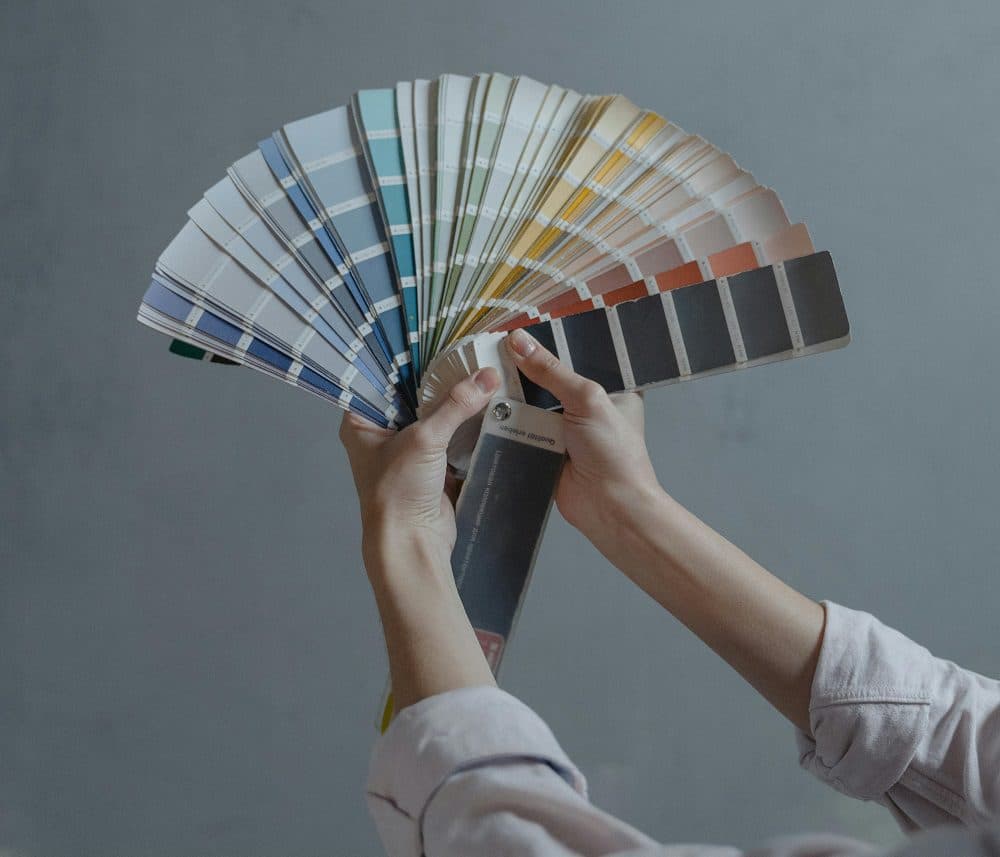
Paint offers an unlimited choice of colours, so it is easy to adapt to your personal taste and the latest interior design trends. Different types of paint also come in a variety of finishes – from matt to gloss – which further enriches the visual effect. Modern paints, especially latex paints, resist dirt and can be wiped with a damp cloth without any risk of damaging the surface. This is particularly useful in homes with children or pets, where the walls take more wear and tear. Painting usually requires a lower initial investment than other ways of decorating walls, and freshening the walls up later saves time and money too. Of course, painting has its own subtleties that only come with practice – which is why we offer it as a service. Our professionals have many years of experience applying all kinds of paint, and you will be amazed at how easily they can transform the interior of your home.
Disadvantages of paint
A quality result requires careful preparation of the walls: cleaning, filling cracks and skim coating uneven areas, and priming. Skipping these steps can lead to patchy coverage and a shorter life for the paint. And although paint comes in a huge range of colours, achieving complex textures and patterns calls for special techniques and skills. Unlike wallpaper, which offers ready-made designs in a variety of textures, these effects are harder to achieve with paint and often need a professional. Some paints can also release volatile organic compounds (VOCs), which affect indoor air quality. Choosing eco-friendly, low-VOC paints can reduce this risk, but often at a higher cost.
The pros and cons of wallpaper
Wallpaper is a classic choice for decorating walls, offering a variety of designs and textures that can transform any space. Like any decorative material, though, it has its advantages and disadvantages, which are worth weighing up before you decide.
Advantages of wallpaper
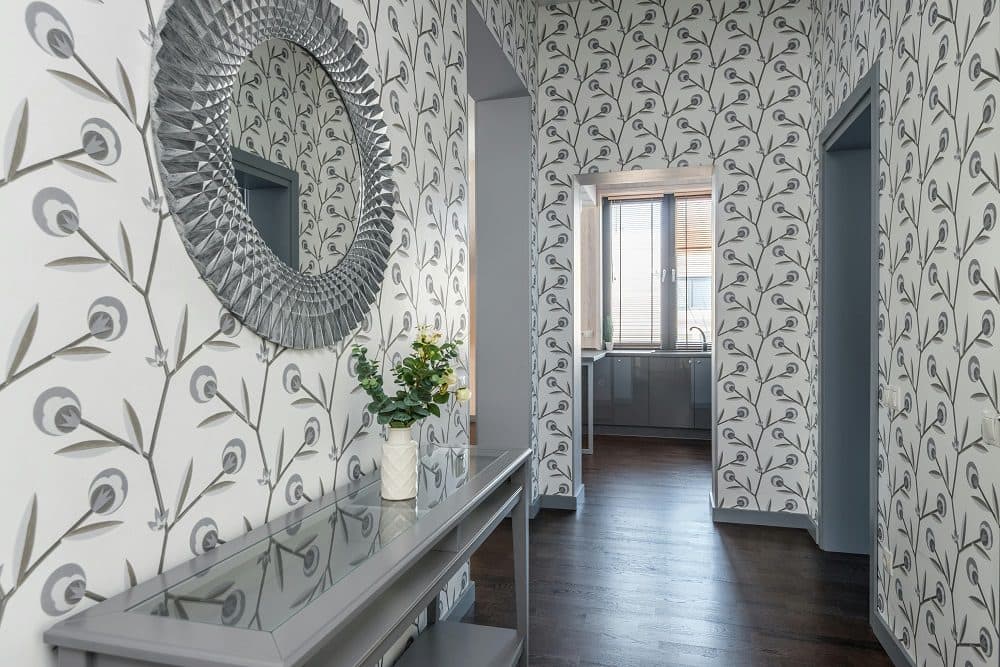
Wallpaper comes in a wide range of patterns, colours and textures, so you can personalise an interior to suit your taste. From classic patterns to modern geometric shapes, the possibilities are almost endless. The thickness and texture of wallpaper can effectively mask small cracks, uneven patches and other wall defects that would show through paint, which makes it a good choice for older buildings or rooms with less-than-perfect walls. Good-quality wallpapers, especially vinyl and fibreglass ones, are durable and can keep their looks for years. They are hard-wearing, which makes them suitable for high-traffic areas such as hallways and kitchens. Some types, such as liquid wallpaper, have a porous structure that helps improve thermal insulation and reduce noise in the room, which can make for a more comfortable, cosy atmosphere.
Disadvantages of wallpaper
Hanging wallpaper takes precision and skill, especially when it comes to matching the pattern and avoiding air bubbles, and poor installation looks unsightly. We all know how much time and energy lining up wallpaper can take, with all that peeling off and sticking back. This is where our professionals can step in – your wallpaper will be up before you know it. Wallpaper has another problem too: removing the old paper… usually several layers of it, which can be laborious and time-consuming. Some wallpapers, especially paper ones, are not suitable for very humid rooms such as bathrooms or kitchens, as they can peel or get damaged. In such cases, moisture-resistant options such as vinyl wallpaper are recommended. Some types, such as vinyl, are airtight, which can lead to moisture building up and mould growing behind them, especially in poorly ventilated rooms. High-quality wallpaper can also cost more than paint. And although many wallpapers are washable, they may need special care and gentle cleaning to keep them looking good.
Factors to consider when choosing
When deciding between paint and wallpaper for your home, it is important to consider a few key factors that will affect the final result and how happy you are with your choice.
If your walls are uneven, cracked or otherwise imperfect, wallpaper may be the better choice, as its textures and patterns can hide these defects. Paint, on the other hand, requires the surface to be prepared and levelled first to achieve a good result.
Wallpaper, especially vinyl, is known for its durability and resistance to wear, which makes it suitable for heavily used rooms. However, it can be harder to clean, and to replace if it gets damaged. Painted walls can easily be refreshed with a new coat of paint, but they are more prone to scratches and stains.
In very humid rooms such as bathrooms and kitchens, choosing the right material is essential. Some wallpapers are not suitable for these conditions, as they can peel or get damaged. Here, moisture-resistant paints or special vinyl wallpapers are a better choice.
Wallpaper offers a variety of designs, patterns and textures that can add character and style to a room. It can create a feature wall or make a space feel cosier. Paint, for its part, gives you more flexibility in your choice of colours and makes it easy to change the look of a room with minimal effort.
Cost is an important factor when choosing between paint and wallpaper. Painting is usually the more economical option, in terms of both materials and labour. Wallpaper, especially the high-quality kind, can be more expensive and takes more time and skill to hang.
Your individual needs and lifestyle also play a part. If you like to change your interior often, paint may suit you better, as it is easy to apply and to refresh. If you are looking for a long-lasting solution with a particular design, wallpaper can meet those requirements.
Final recommendations
When making your decision, it is important to assess the specific needs of each room, taking into account factors such as how it is used, how much light it gets, whether there are children or pets in the home, and your personal taste. Combining the two – wallpaper on feature walls and paint on the remaining surfaces, for example – can offer a balanced solution that brings together the best of both worlds.
Whatever you choose, thorough surface preparation and a careful choice of materials are the key to a long-lasting, attractive result. And if you have not mastered the art of wallpapering and painting but want to be sure of a perfect finish, don’t hesitate to get in touch!
More articles
All articles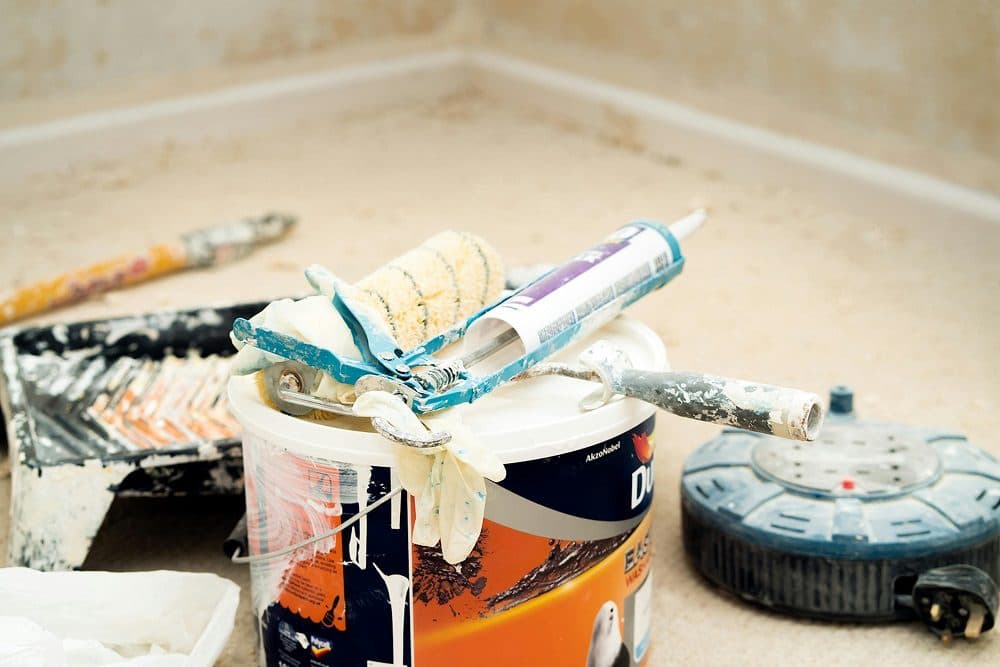 Finishing work
9 min read
How to avoid the most common mistakes when painting an apartment
At first glance, painting an apartment looks like an easy, manageable job, but in practice it often turns out to be a test full of pitfalls. Many owners decide to freshen up the walls and ceilings themselves, but seemingly minor oversights can lead to serious disappointment. The consequences can be patchy coverage, stains, peeling, cracking or even a colour that does not match the original idea.
Read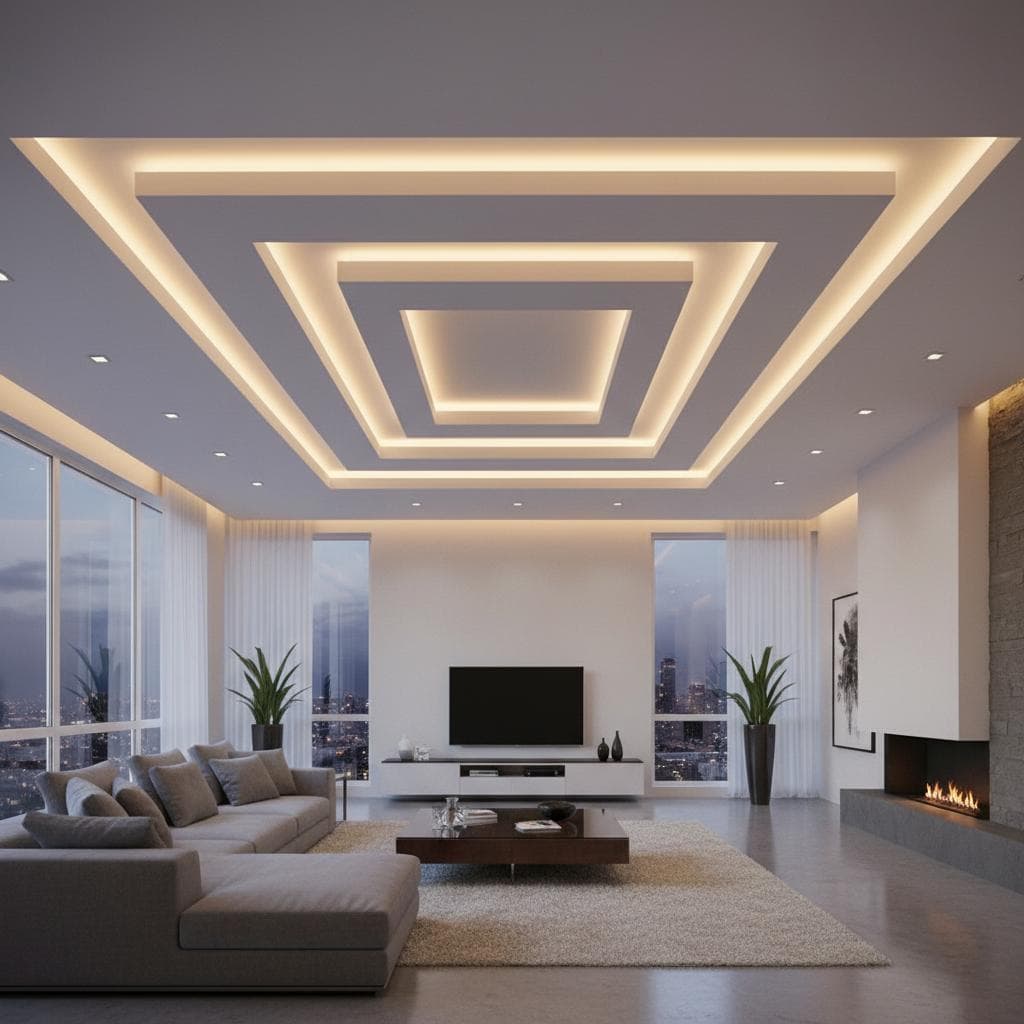 Finishing work
8 min read
Curved shapes in drywall: bold ideas for a striking ceiling
Have you ever thought about how a ceiling can transform the whole feel of your home? With a drywall ceiling you can go far beyond straight lines and achieve movement, flow and a unique character. While classic flat surfaces create a sense of completeness, curved and three-dimensional structures add an element of surprise, style and individuality that instantly catches the eye.
Read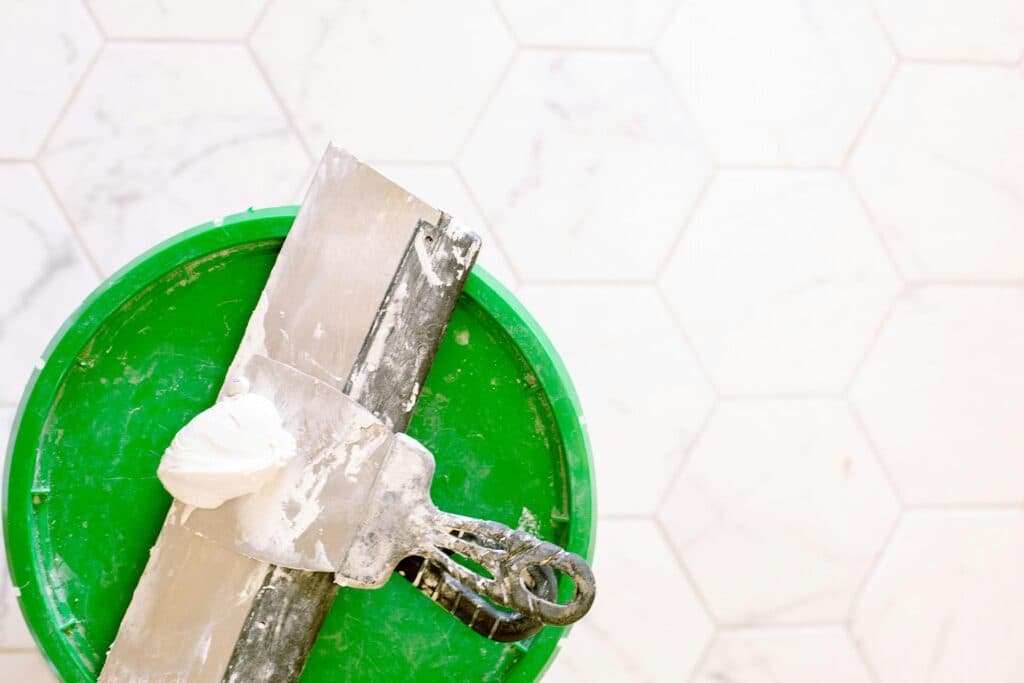 Finishing work
8 min read
Plaster vs paint – which is the better choice for your interior?
When it is time for an interior renovation, one of the most common questions homeowners ask is: should I go for paint or decorative plaster? Both have their own advantages, look and price points, which makes each suitable in different situations. The choice is not just about aesthetics – it has a direct effect on the atmosphere, the durability and even the budget of the renovation.
Read