Plaster vs paint – which is the better choice for your interior?
When it is time for an interior renovation, one of the most common questions homeowners ask is: should I go for paint or decorative plaster? Both have their own advantages, look and price points, which makes each suitable in different situations. The choice is not just about aesthetics – it has a direct effect on the atmosphere, the durability and even the budget of the renovation.
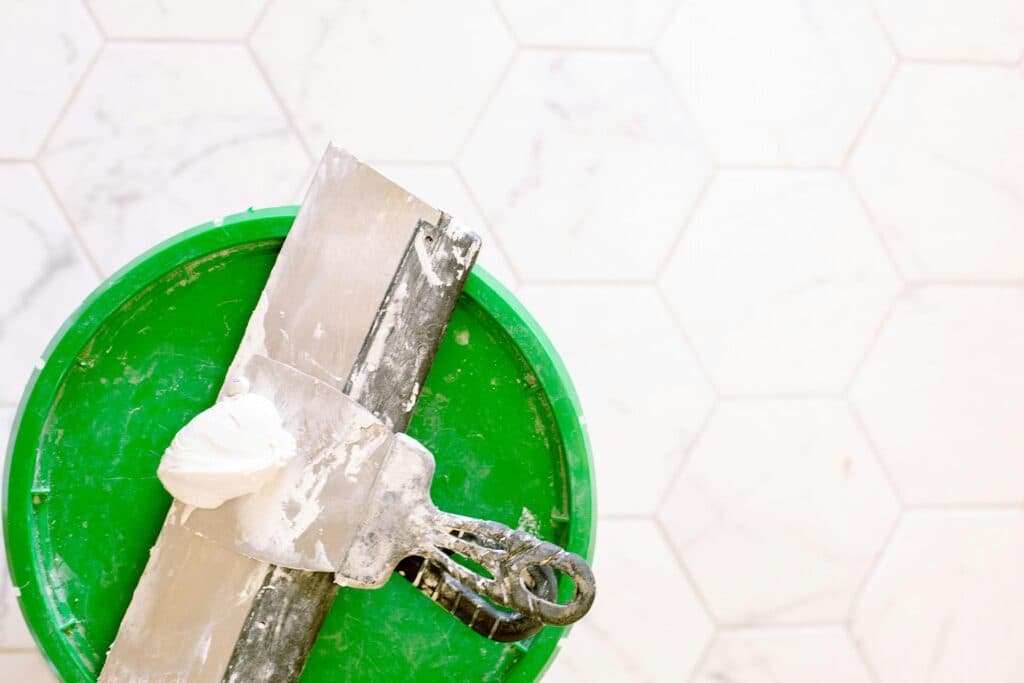
When it is time for an interior renovation, one of the most common questions homeowners ask is: should I go for paint or decorative plaster? Both have their own advantages, look and price points, which makes each suitable in different situations. The choice is not just about aesthetics – it has a direct effect on the atmosphere, the durability and even the budget of the renovation.
In our work as an interior renovation crew, we increasingly see clients torn between classic latex paint and modern plaster. Some want a quick, affordable refresh; others want individuality and luxury. Unfortunately, the choice is often made on the basis of looks or a friend’s recommendation, without a real assessment of the needs and possibilities of the space.
What are plaster and paint?
In interior renovations, plaster and paint are the two main options for shaping and finishing walls. Although they differ in composition, application and visual effect, both serve a similar purpose – creating a finished, attractive and durable interior. Paint is the most common choice – affordable, practical and easy to change when needed. It comes in a huge variety of colours and formulas – latex, acrylic, silicone or lime paints – each with particular properties depending on the room, the wear it gets and the moisture. In everyday practice, latex is the favourite, thanks to its good coverage and the fact that it can be cleaned.
Plaster, on the other hand, has a much stronger decorative and design presence. As well as giving walls texture and depth, it creates a sense of individuality and finish that smooth paint rarely achieves. Mineral, silicate, acrylic and Venetian plasters allow for different looks – from classic elegance to striking contemporary luxury. They are used in homes as well as commercial premises, and often feature in interiors that are after the ‘wow’ factor – walls with a pearlescent sheen, or imitation stone, metal or concrete.
Both options – paint and plaster – can be an excellent choice, but they lead to different end results. So choosing between them is not just a question of preference, but of purpose, style and durability over time.
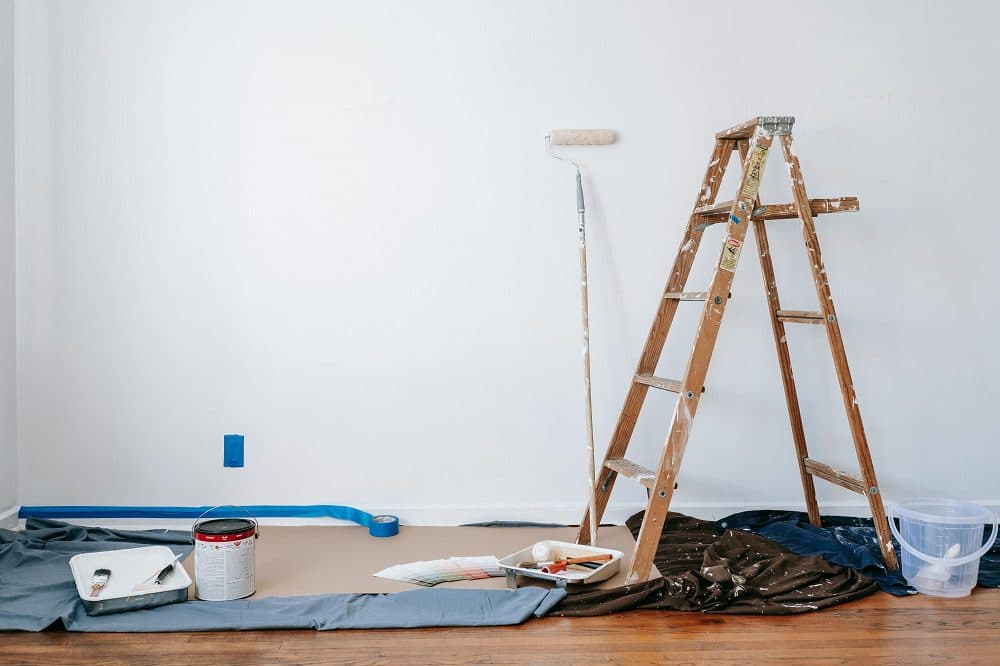
Pros and cons of paint
Painting remains the most popular choice for interior renovations, and rightly so – it combines affordability, practicality and speed. Its main advantage is the price – paint is an economical solution, which makes it ideal for people on a limited budget or for refreshing a property before letting it out. There is also a huge variety of colours and finishes on the market – from matt to satin, with washable or antibacterial properties. This makes it easy to adapt to any taste and interior style.
Painting is also quick to do – with well-prepared surfaces, a standard room can be finished within a day. Changing the colour is easy too – you simply apply a new coat and the job is done. That is exactly why paint is the preferred choice for kitchens, children’s rooms, bedrooms, offices and hallways – anywhere that functionality and flexibility are needed.
There are, of course, drawbacks too. Paint has a shorter life than other finishes – between 5 and 7 years on average, after which it may start to peel, fade or look visibly dirty. If the surface underneath has not been properly prepared (for example, uneven skim coating or screed), every imperfection will show. Paint also creates no texture at all – the walls stay flat, with no depth.
As a guide, a standard 60 m² two-bedroom apartment can be fully painted for between BGN 600 and 2000, including materials and labour. That makes paint a practical choice that suits most households.
Pros and cons of plaster
Plaster has long been more than just a technical layer under the paint – in contemporary interior design it plays a leading role as a decorative finish with a distinctive aesthetic. Its main advantage is undoubtedly its visual impact. No paint can achieve the depth, texture and luxurious look created by well-applied decorative plaster. It gives any room volume, character and individuality, and it fits into both classic and modern interiors.
Plasters also stand out for their exceptional durability – they do not scratch easily, peel or fade over time. That makes them an excellent choice for high-traffic areas or for places where you want a long-lasting effect without the need for frequent refreshing. This is why they are often used for feature walls in living rooms, bedrooms or entrance halls, where they emphasise the design and add style.
The drawbacks, however, should not be underestimated. The most significant is the higher price – not only are the materials expensive (especially designer plasters with a pearlescent or metallic effect), but the work is complex and requires experience. Mistakes in application show immediately and cannot be hidden with another coat. That is exactly why this kind of work is not for second-rate tradespeople – poor workmanship gives a poor result, whatever the quality of the product.
Another drawback concerns repairs after damage – unlike paint, which can easily be touched up on the spot, plaster usually requires a whole area to be redone so that the difference in texture and shade does not show.
As a guide, a pearlescent decorative plaster applied to a single 10 m² wall can cost between BGN 300 and 1000, depending on the brand, texture and complexity of application. For large rooms or whole projects, the price rises considerably, but the result is worth it when you want an interior with a memorable look.
When should you choose paint?
Paint is the most suitable solution when you are after practicality, speed and an affordable price. If you are renovating a rental property, a temporary office or a room that will change often, painting is the sensible choice – it makes it easy to refresh without straining the budget. The same goes for children’s rooms, which often need cleaning or a change of colour as the child grows.
On well-prepared, smooth walls, paint achieves an excellent result with minimal effort. Washable latex paints are particularly well suited to kitchens and hallways, where wear is heavier and the walls are exposed to contact, grease or dust.
In a nutshell: choose paint when you need a quick, clean, budget-friendly and adaptable solution – with no pretensions to a luxury look, but with an expectation of functionality and freshness.
When should you choose plaster?
Plaster is the right choice when you want a striking look and a stylish accent in your interior. It is most often used on one or more walls in the living room, bedroom or entrance hall, where it can become a focal point and set the overall character of the room. In luxury renovations or projects with an interior designer, plaster is often a must – it adds depth, texture and a sense of individuality that paint cannot offer.
This kind of finish is ideal for people who are not just refreshing walls but creating an atmosphere with a ‘wow’ factor – something you notice the moment you walk into the room. That is exactly why plaster is also widely used in office buildings, boutiques, hotels and showrooms, where the design is part of the brand and the customer experience.
Choose plaster when you want more than just colour – when you want impact, character and longevity.
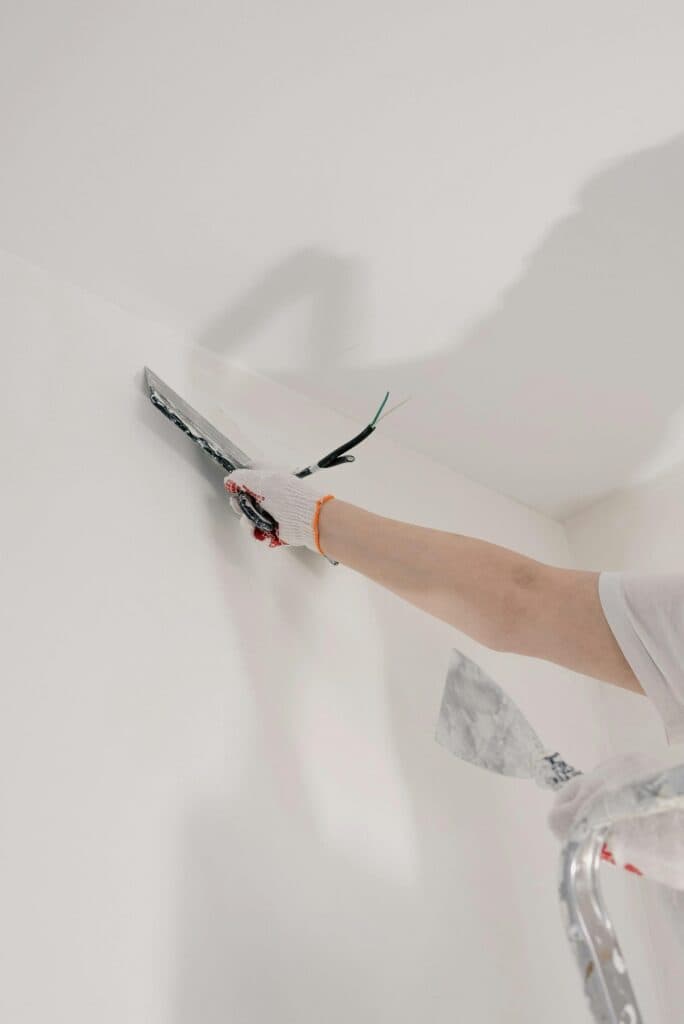
Combining plaster and paint – a solution that works
Combining paint and plaster is an increasingly popular solution, especially in contemporary interiors with a well-thought-out design. The most common version is three walls painted with latex and one wall in decorative plaster as a feature. It is an excellent balance between cost and visual effect – on the one hand you save money, and on the other you achieve a strong aesthetic impact.
This approach lets you play with contrast, texture and focus while keeping a sense of cleanness and space. The paint provides the backdrop and the light, while the plaster brings richness and individuality. It is often used to highlight a particular area – for example the wall behind the bed, behind the TV or in the entrance hall.
An example of a combination that works well: light grey latex on the walls, combined with metallic-effect Venetian plaster on the wall behind the TV. The result is a stylish, balanced and modern interior, without unnecessary expense.
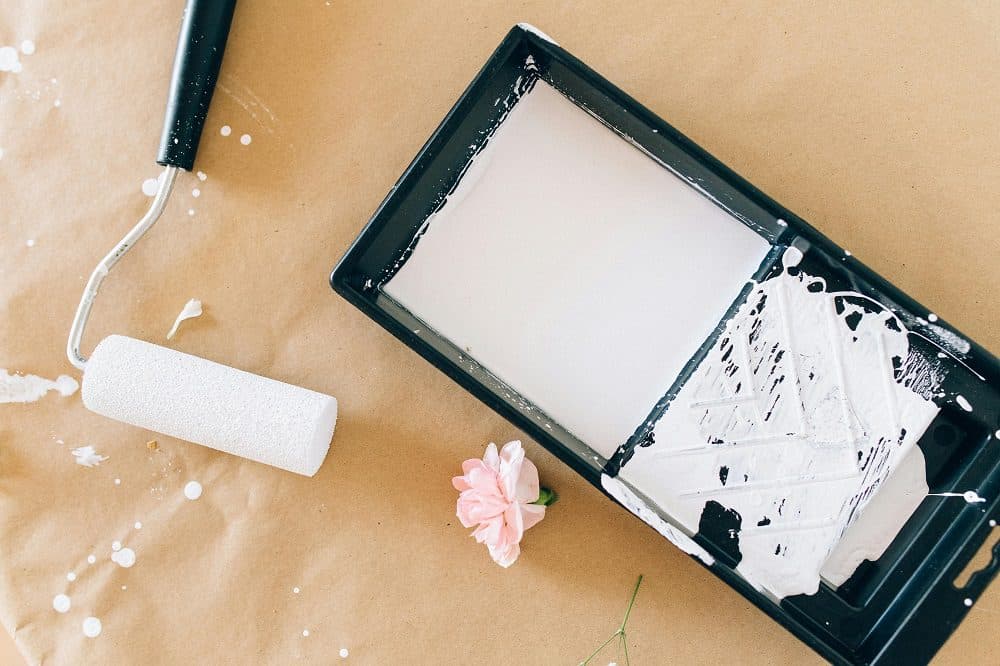
Which is the better solution?
There is no universal answer to the question of which is better – paint or plaster. It all depends on your budget, your taste and your long-term plans for the space. If you are after functionality, easy maintenance and a quick refresh, paint is the ideal solution. But if individual style, a luxurious look and a strong impact matter to you, decorative plaster is in a class of its own.
It is important to know that a good result comes not only from the right material but also from the right workmanship. Our crew at Remonts.bg has many years of experience with both painting and applying decorative plaster. We work quickly, cleanly and to a high standard, always taking the client’s budget and style into account.
If you are torn between the two – get in touch with us now! We will carry out a free site visit, advise you on the spot and suggest the best option for your interior. Do not compromise – trust the professionals.
More articles
All articles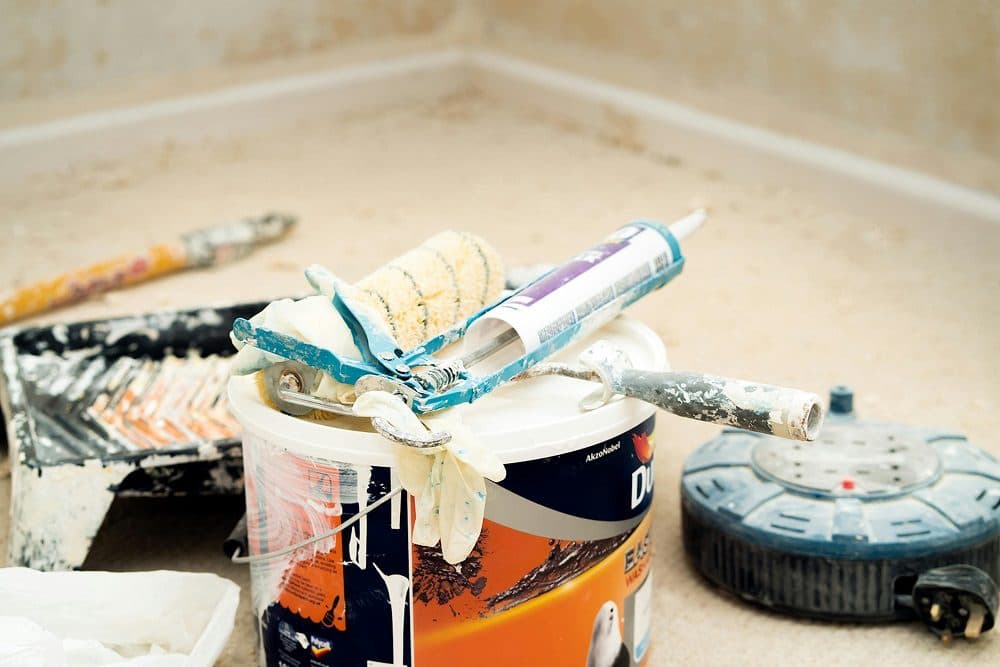 Finishing work
9 min read
How to avoid the most common mistakes when painting an apartment
At first glance, painting an apartment looks like an easy, manageable job, but in practice it often turns out to be a test full of pitfalls. Many owners decide to freshen up the walls and ceilings themselves, but seemingly minor oversights can lead to serious disappointment. The consequences can be patchy coverage, stains, peeling, cracking or even a colour that does not match the original idea.
Read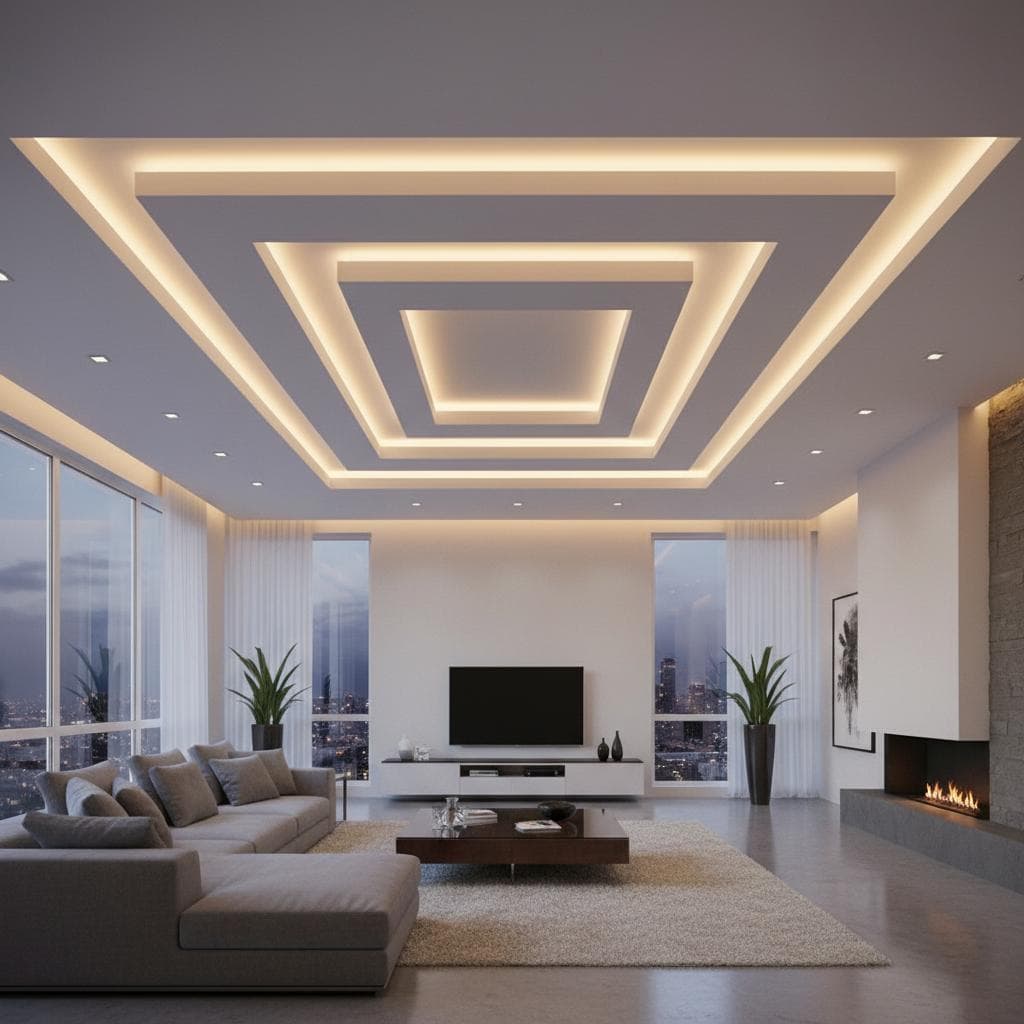 Finishing work
8 min read
Curved shapes in drywall: bold ideas for a striking ceiling
Have you ever thought about how a ceiling can transform the whole feel of your home? With a drywall ceiling you can go far beyond straight lines and achieve movement, flow and a unique character. While classic flat surfaces create a sense of completeness, curved and three-dimensional structures add an element of surprise, style and individuality that instantly catches the eye.
Read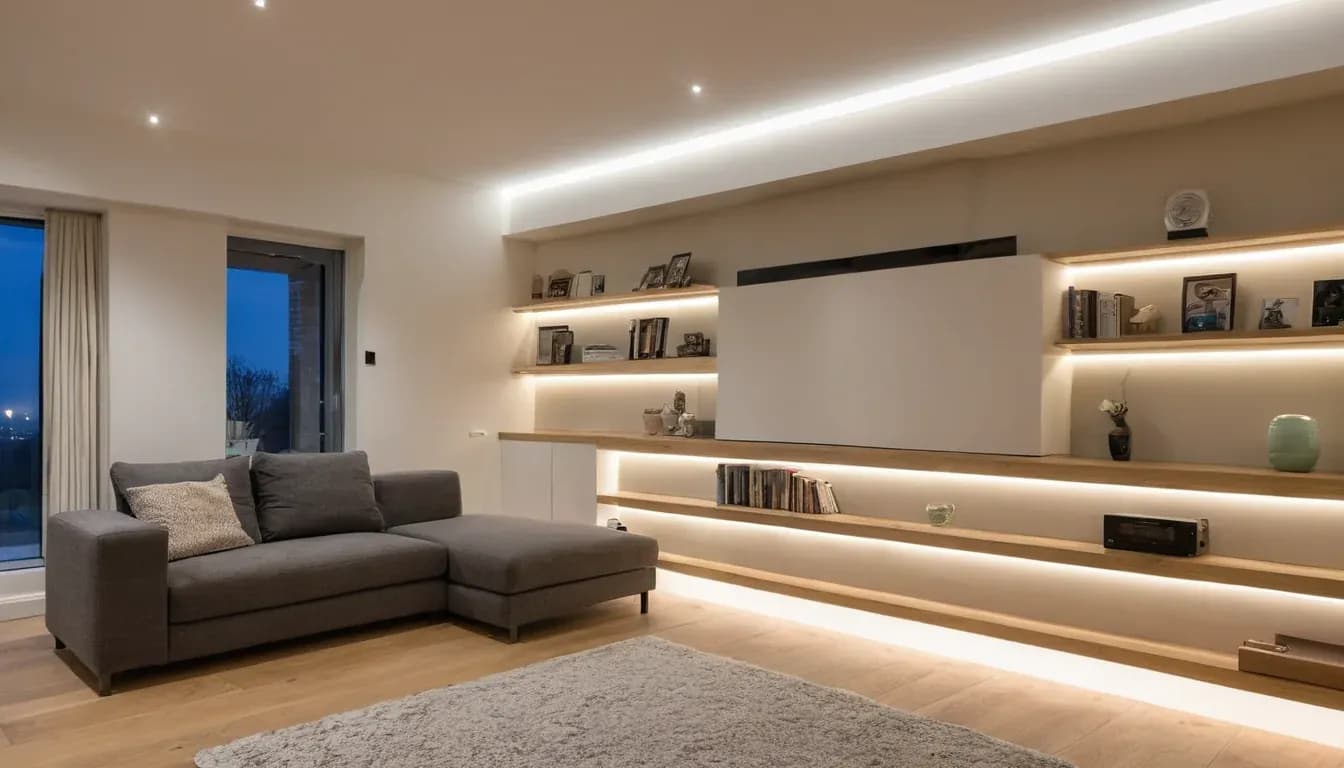 Finishing work
6 min read
Why drywall is the key to a flexible, modern interior
Drywall is one of the most versatile and popular materials in today’s interior renovations, and the basis for countless interior solutions. This light yet strong material – a gypsum core wrapped in paper – is a favourite with designers and builders for its flexibility, affordable price and ease of working.
Read