Preparing for a summer renovation: when is the best time for demolition and renovation work?
Summer is almost here – the perfect time to make changes at home! But is it really the best season for demolition and renovation work? Many people believe the warm months offer ideal conditions for building work, but the truth is that every season has its advantages and its challenges. The weather plays a significant role in…

Summer is almost here – the perfect time to make changes at home! But is it really the best season for demolition and renovation work? Many people believe the warm months offer ideal conditions for building work, but the truth is that every season has its advantages and its challenges.
The weather plays a significant role in the success of any renovation. Spring and summer bring warmer weather, which makes it easier to air the rooms and speeds up the drying of painted surfaces. These seasons also offer better conditions for outdoor work. On the other hand, high summer temperatures can make the work harder and call for extra safety measures for the workers.
Whatever the season, careful planning and preparation are essential to a successful renovation. Describing every task in detail and estimating the costs in advance help you avoid unpleasant surprises and keep the project running smoothly.
Why is summer a good time for renovations?
In the summer months the days are longer, so there is more natural light to work by. Tradespeople can work longer hours without the need for artificial lighting, which can bring the completion date forward. Summer is usually dry and warm, which is ideal for building and renovation work. The lack of rain reduces the risk of delays and lets materials dry faster and more evenly – something that matters especially for exterior work such as painting facades or replacing roofs. Summer is also the season of holidays and travel, which gives families the chance to leave home for a while. That makes larger-scale renovations easier to carry out without disrupting everyday life for the occupants or exposing them to noise, dust and other inconveniences.
In summer, many construction firms and tradespeople are active and offering their services, which gives you a wider choice. However, because summer is a popular season for renovations, we – as specialists with many years of experience – often have a busy schedule. So it is a good idea to contact us in advance to secure a slot and avoid delays.

When should you start planning?
Early planning is essential to a successful renovation. In February–March, it is a good idea to start by drawing up a clear concept of what you want to achieve. That means defining the scope of the renovation, your style preferences and your practical requirements. Once you have a clear picture of the project, start looking for suitable contractors. Engaging contractors early gives you the chance to discuss the details of the project and get a quote.
Next, it is time to focus on sourcing the materials. At this stage it is important to make a detailed list of everything you need – paint, flooring, tiles and so on – and to order it in good time, so that you avoid delays caused by items being out of stock. Book your tradespeople for specific dates too, making sure their schedule matches your plan. This will help you avoid unforeseen delays and ensure the project starts on time.
How should you prepare for demolition?
Before demolition begins, it is essential to clear the work area of all furniture, appliances and personal belongings. This not only protects your property from damage but also gives the workers free access, which makes the process easier and quicker. If some items cannot be moved, cover them with plastic sheeting or dust sheets to protect them from dust and debris.
Demolition produces a considerable amount of dust and debris, which can spread into the neighbouring rooms. To prevent this, seal off the work area with plastic sheeting or film, taped around the doors, windows and ventilation openings. This will minimise the spread of dust and make the clean-up afterwards easier.
Besides dust, demolition generates a lot of noise, which can be unpleasant both for you and for your neighbours. To avoid disputes and inconvenience, let your neighbours know about the upcoming work and how long it is expected to last. Keep the work area well ventilated by opening the windows or using fans, to reduce the concentration of dust and improve the air quality.
Demolition leaves behind a large amount of construction waste, which has to be removed promptly. At RemontS we arrange the waste removal in advance, and in some cases we also hire skips to collect the waste.
What to think about before demolition starts
Breaking up floor coverings varies depending on the material and the way it was laid. Removing terracotta tiles, clinker or other hard floor coverings, for example, requires specialised tools and equipment. Where there is underfloor heating, particular care is needed to avoid damaging the system. When demolishing walls, it is essential to establish their type and function. Load-bearing walls require special attention and prior consultation with specialists, so that the structural integrity of the building is not compromised. You also need to take into account any electrical cables, water pipes and heating pipes that may be embedded in the walls.
Demolition room by room
Bathrooms are rooms with high humidity and specific installations, which makes demolition there a challenge. When removing bathroom tiles, it is important to keep the traps and drains clean and working for later use. Kitchens contain numerous installations and appliances, so demolition there needs careful planning. Removing tiles, sinks, concrete worktops and other elements calls for precision to avoid damaging the existing installations. Cutting into the walls correctly and chasing channels in the floor and walls are key to a successful kitchen renovation. When demolishing in other spaces, such as attics or basements, it is important to assess the specific conditions and potential risks. In an attic, for example, you need to take into account insulation materials and electrical wiring that may be hidden. Basements may suffer from damp or mould, which calls for extra precautions.

Conclusion
Renovating in the spring and summer months offers many advantages, which make it the preferred time to renovate a home. Settled, warm weather makes building and renovation work easier and reduces the risk of delays caused by bad weather. That allows projects to be completed faster and more efficiently, without unexpected interruptions.
Many people also take their holidays during this period, which makes it easier to organise the work without disrupting the household’s daily routine. Being able to stay away from home during the renovation reduces the stress and discomfort that come with this kind of work.
It is worth noting that this is a busy season for construction firms and tradespeople. Because demand is high, schedules fill up quickly. So it is advisable to start planning and organising your renovation as early as possible, to secure the specialists you want and avoid compromising on the quality of the work.
Don’t put off transforming your home. Early planning and preparation are the key to a successful renovation. Ready to transform your home this summer? Contact us for fast, high-quality and clean demolition, renovation and cleaning!
More articles
All articles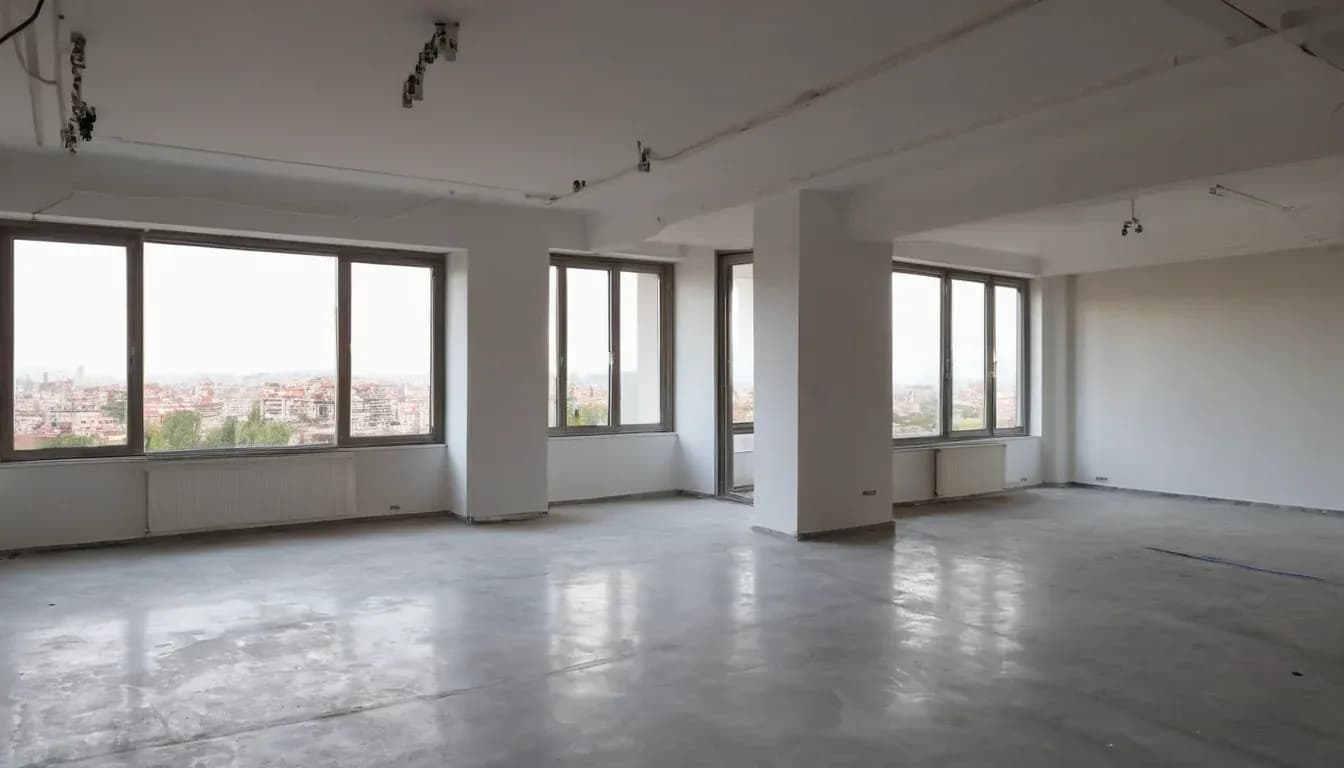 Planning
3 min read
Renovating a new-build home: from shell finish to turnkey
Bought an apartment in a new build? What to check at handover, the order in which the finishing work is done, and where time and money are most often lost.
Read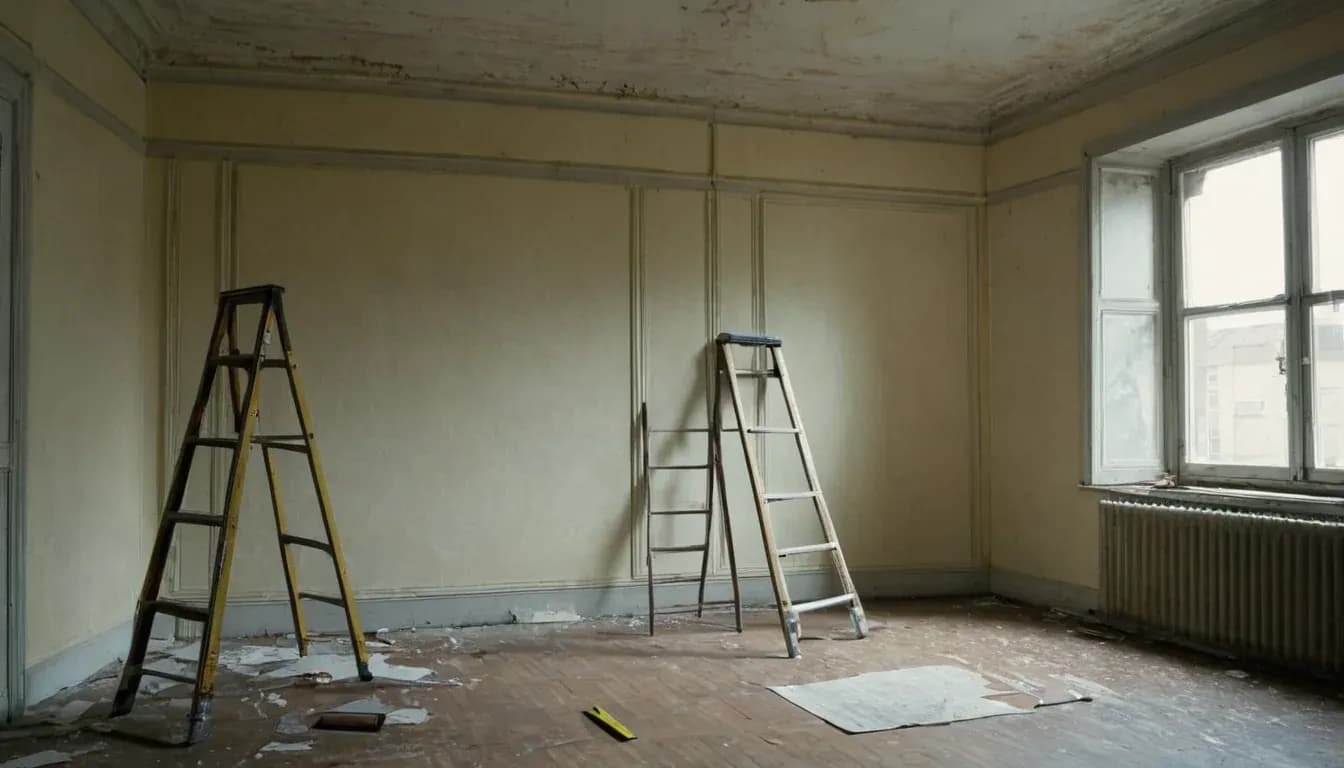 Planning
2 min read
5 mistakes before a renovation starts – and how to avoid them
The most expensive renovation mistakes don’t happen while the work is under way – they happen before it starts. Here are the five most common, and what to do instead.
Read Planning
3 min read
What a ‘full renovation’ of an apartment actually includes
Contractors often use the term differently. We set out the stages from strip-out to the final details, so you know exactly what to expect – and what to ask.
Read