Replacing the risers in an apartment block: how it’s organised and what to expect
Risers are a common part of the building, and replacing them affects every neighbour along the same vertical line of apartments. When it’s needed, how it’s agreed and how it goes without unnecessary stress.
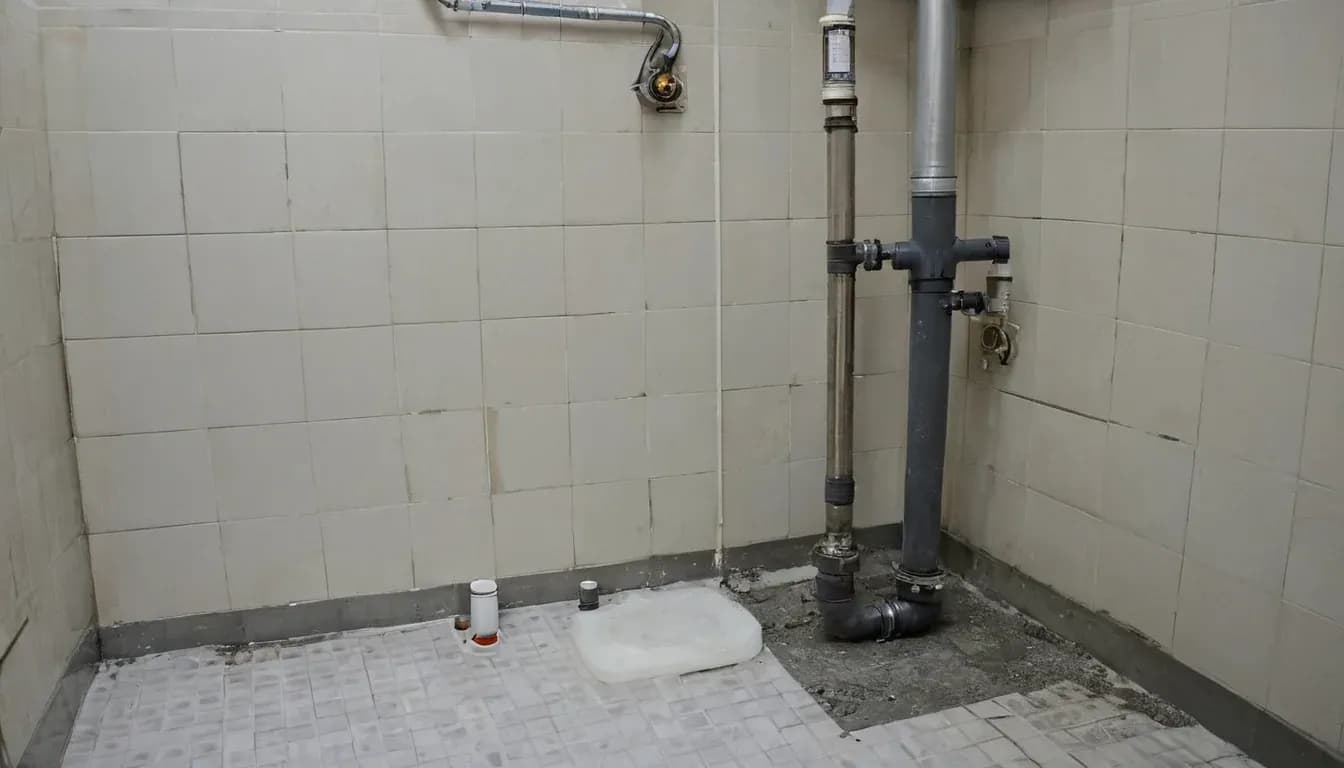
Risers are the vertical pipes that run through every floor of a block – for cold and hot water and for drainage. In many buildings they are as old as the building itself: steel water pipes rusted on the inside, and cast-iron or asbestos-cement drainage pipes. Once leaks, rust in the water or blockages begin, piecemeal repairs only help for a short while.
Signs that the risers need replacing
- Rusty or cloudy water when you turn on the tap.
- Low water pressure, especially on the upper floors.
- Leaks and damp patches on the pipes or around the pipe shaft.
- Frequent blockages and unpleasant smells from the drains.
- Old patch repairs with clamps and couplings on the same pipe.
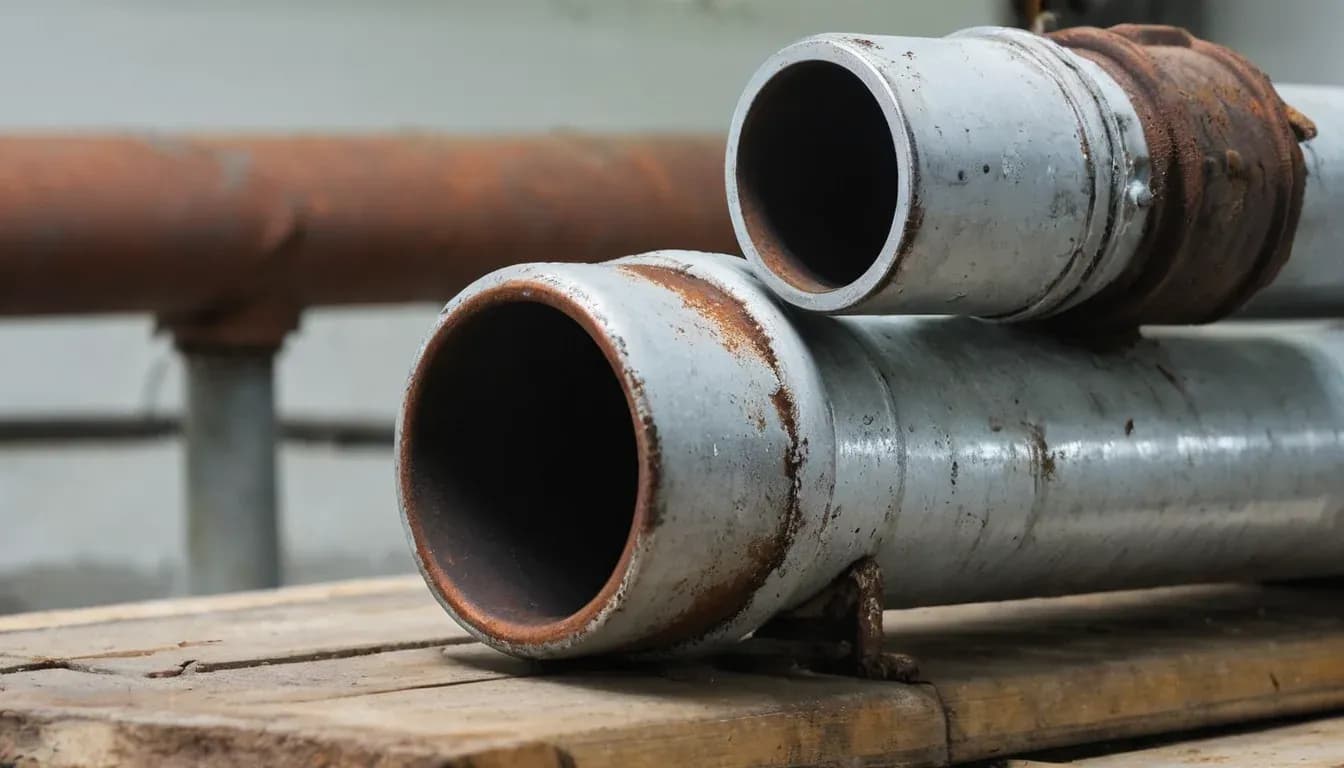
Risers are a common part of the building – and that changes how it’s organised
Vertical risers serve every apartment along the same vertical line and, as a rule, are a common part of the building. That is why replacing them is not your decision alone: it is agreed with the building’s owners’ association and with the neighbours above and below you, and the costs are often shared according to the decision of the general meeting. It is best to replace the whole vertical line at once – replacing the risers in just one apartment leaves the old pipes above and below it, and the connections to them remain a weak point.
If the drainage pipes are made of Eternit (asbestos cement), removing them requires special measures and is not done like ordinary demolition – this is clarified right at the site visit.
How the replacement works
- Inspection of the vertical line – access to the shafts in each apartment, the material of the old pipes, the shut-off valves.
- Agreement with the building manager and the neighbours – the date, the hours without water, access to the homes.
- Shutting off the water to the vertical line and removing the old pipes.
- Installing the new pipes – polypropylene for the water and plastic for the drainage, with shut-off valves for each apartment.
- Pressure test and turning the water back on.
- Closing up the shafts with access panels, so that there is access in the future too.
The work on the vertical line itself usually takes from one to several days, depending on the number of floors and the access. The organisation is often what takes the longest – so start the conversation with your neighbours in good time.
If you are renovating a bathroom or kitchen
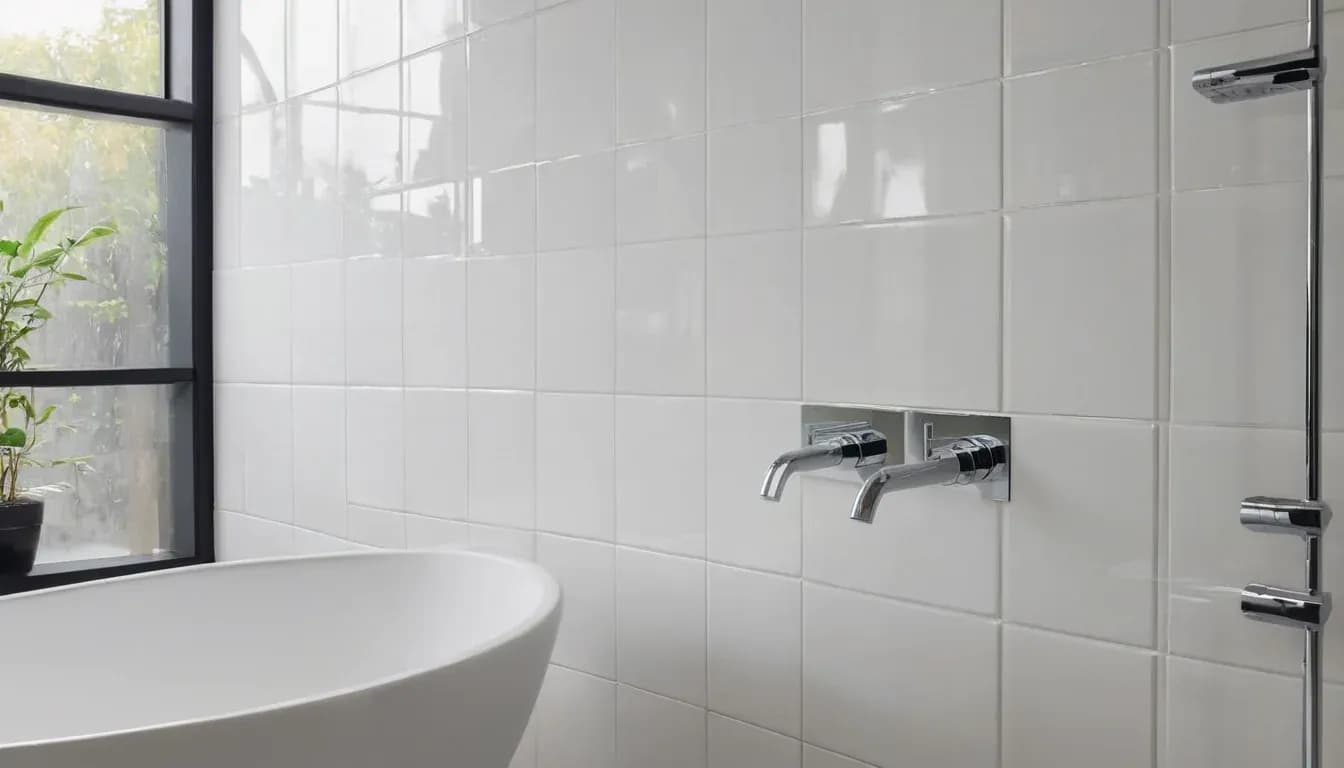
The best time to replace the risers is before the bathroom or kitchen renovation. If the new tiles go on first and the shaft then has to be opened up, part of the finished work is ruined. When you are planning a bathroom in an old building, check the condition of the risers as early as the site visit.
What to prepare
- Clear access to the shaft in every home along the vertical line.
- An agreement on the day and the hours without water – with all the neighbours affected.
- Protection for the floors and furniture around the shaft.
- An access panel in the new tiling instead of a bricked-up shaft.
If the risers in your block entrance are causing problems, book a site visit. We will inspect the vertical line, tell you what is needed, and you will receive a written quote that you can put to your neighbours.
More articles
All articles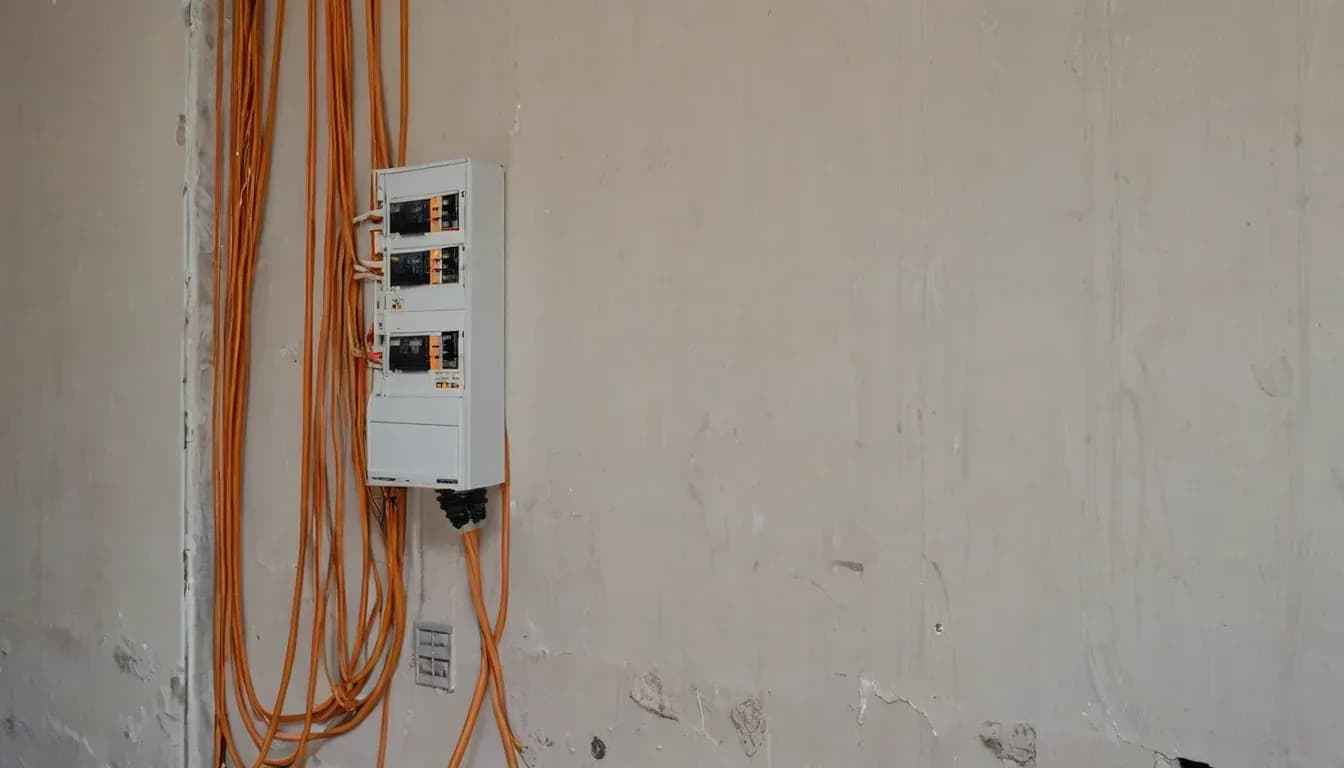 Plumbing & electrics
4 min read
Rewiring an old apartment: when it’s time and how it’s done
Aluminium wiring, old fuses and sockets that heat up – when old electrical wiring becomes a risk, what replacing it involves, and why it is done before skim coating, not after.
Read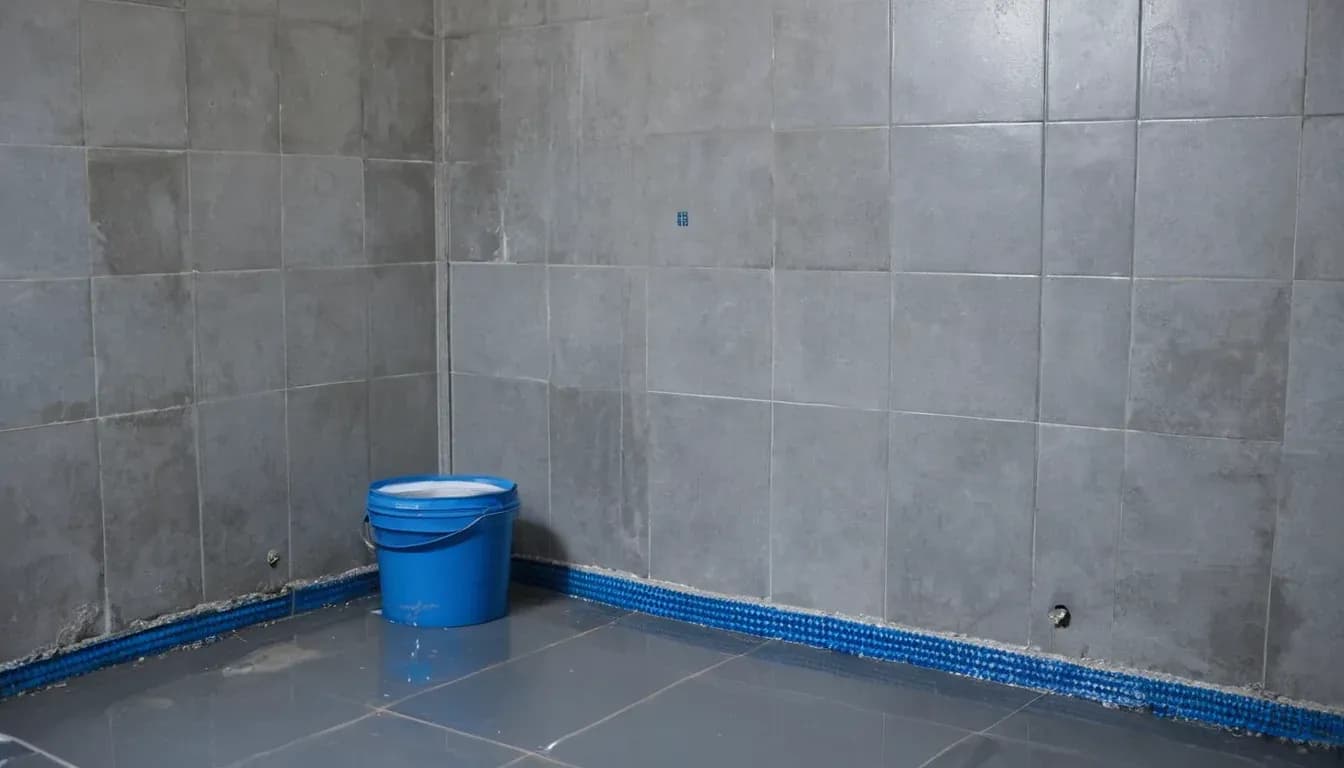 Bathroom
3 min read
Bathroom waterproofing: the invisible layer that protects you and your neighbours
Exactly where waterproofing goes in a bathroom, which details make all the difference, and how it is tested before the tiles go on.
Read Planning
3 min read
Renovating a new-build home: from shell finish to turnkey
Bought an apartment in a new build? What to check at handover, the order in which the finishing work is done, and where time and money are most often lost.
Read