Types of plaster and their uses: how to choose the right one for your home
Plasters play a key role in construction and interior design, combining function and aesthetics. In construction, plaster acts as a protective layer on walls and ceilings, shielding them from moisture, mechanical damage and the weather. It provides a smooth, even surface, ready for subsequent…
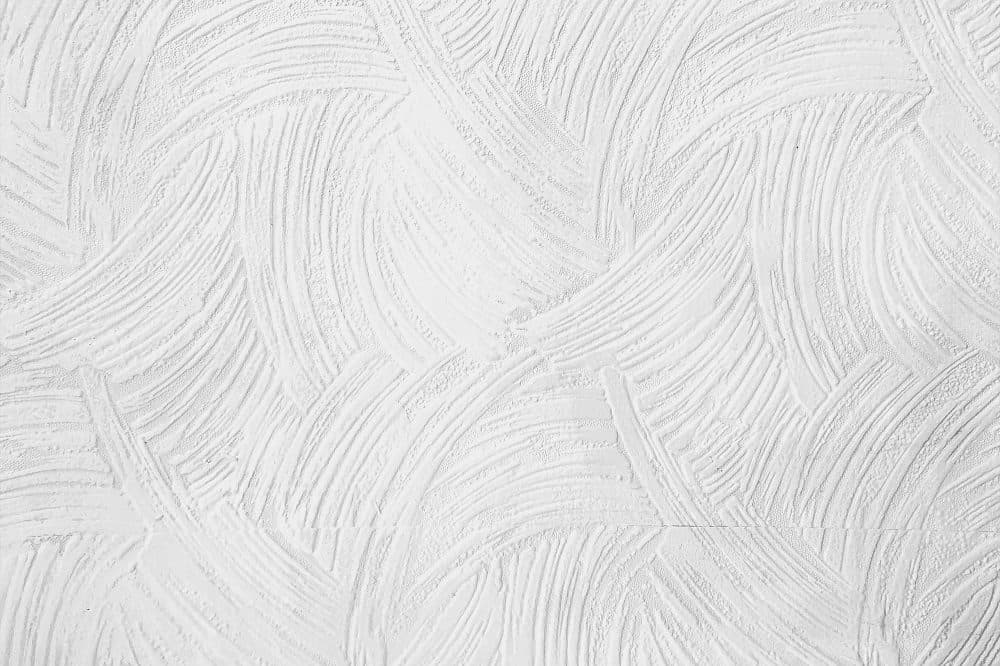
Plasters play a key role in construction and interior design, combining function and aesthetics.
In construction, plaster acts as a protective layer on walls and ceilings, shielding them from moisture, mechanical damage and the weather. It provides a smooth, even surface, ready for subsequent finishes such as paint or wallpaper. Lime plasters, for example, are known for their ability to absorb and release moisture, protecting surfaces from mould and harmful micro-organisms.
In interior design, plasters offer endless creative possibilities. Decorative plasters such as Venetian plaster can recreate the atmosphere of different eras or the textures of nature, lending an interior a unique elegance. They are a successful replacement for traditional latex paints and wallpaper, giving every room individuality and style.
The main types of plaster
Mineral plasters – pros and cons
Mineral plasters are among the oldest and most widely used finishes in construction, known for their durability and natural look. Their main components are lime and/or cement, combined with mineral additives such as sand or marble dust. Together these create a strong, breathable surface that lets moisture evaporate instead of building up in the walls, which reduces the risk of mould and mildew. They are suitable for both interior and exterior walls, protecting and enhancing facades and interiors alike. Thanks to their natural composition, they are the preferred choice when restoring old and historic buildings, as they preserve their authenticity. Made from natural materials, they are safe for health and the environment.
Because they are rigid, however, mineral plasters are prone to hairline cracks when temperatures fluctuate or the structure moves. They are also less elastic than polymer plasters, which can lead to cracking as the building settles. Despite these limitations, mineral plasters remain a popular choice for many construction projects thanks to their natural qualities and longevity.
Polymer plasters
Polymer plasters, also known as acrylic plasters, are a modern choice in construction and interior design thanks to their flexibility and durability. Their main components include acrylics, polyvinyl acetate and other polymers, which form an elastic, hard-wearing coating that adapts to different surfaces and conditions. Thanks to their polymer base, these plasters are extremely flexible, which reduces the risk of cracking when temperatures change or the structure moves. They are highly resistant to UV rays, rain and wind, making them suitable for a range of climates. Their water-repellent surface makes them easy to clean and maintain, and they keep their appearance for a long time.
Compared with mineral plasters, however, polymer plasters are less permeable to water vapour, which can lead to moisture building up in the walls. For this reason they are not recommended for areas with high humidity, as they can encourage mould and mildew.
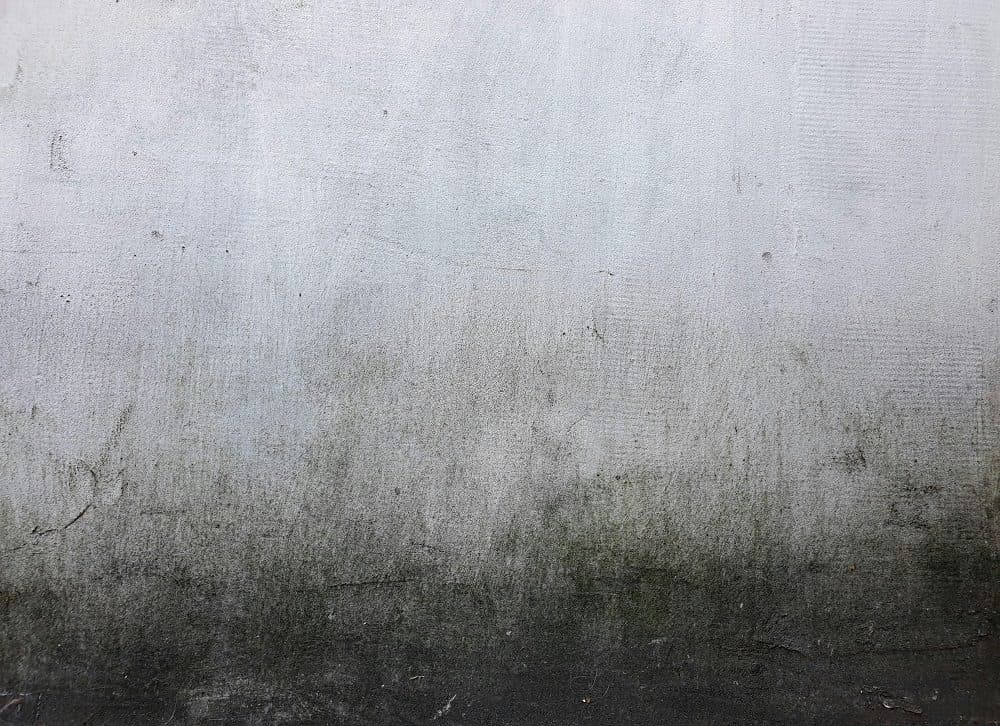
Polymer plasters are well suited to interior walls, as they give a smooth, attractive surface that resists dirt and is easy to clean. Thanks to their weather resistance, they are also ideal for facades in regions with low humidity. And because various pigments and textures can be added to them, polymer plasters offer a wide choice of design options for both interiors and exteriors.
Silicone plasters
Silicone plasters are among the most advanced solutions in construction and design, standing out for their excellent performance and wide range of uses. Their main component is silicone resin, which gives them unique properties. These resins create a hydrophobic (water-repellent) surface that protects buildings from moisture and dirt. This type of plaster lets walls ‘breathe’, allowing water vapour to pass from the inside out and preventing moisture build-up and mould. Thanks to their hydrophobic properties, these plasters repel water and dirt, so they are less prone to soiling and easier to maintain. Silicone plasters are also extremely resistant to the weather, UV rays and temperature fluctuations, which ensures a long service life for the facade. With all these advantages, silicone plasters are ideal for exterior walls, especially in areas with heavy air pollution or close to the sea.
On the downside, silicone plasters are more expensive than other types, which can be a limiting factor for some projects.
Silicate plasters
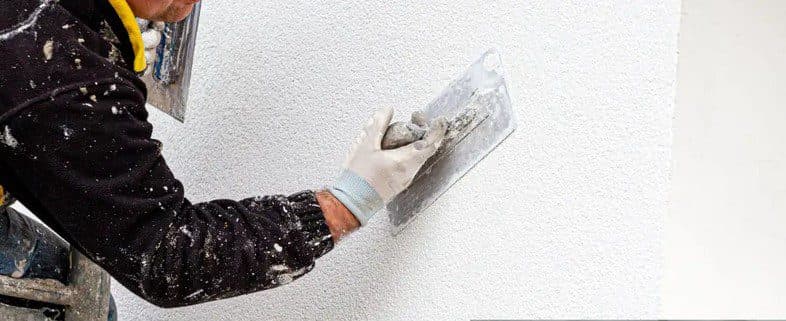
Silicate plasters are specialist finishes used in construction, distinguished by their unique properties and specific uses. Their main component is potassium water glass (silicate), which acts as the binder. This composition gives them their characteristic ‘mineral’ nature and makes them particularly suitable for mineral substrates. Thanks to the silicate, these plasters stand up to a range of climatic conditions, including rain, wind and UV rays. They let walls ‘breathe’ by allowing water vapour through, which prevents moisture build-up and mould. Because of their chemical composition, however, silicate plasters come in a more limited range of colours than other types. They are suitable for facades where durability and weather resistance are required.
Venetian plaster
Venetian plaster, also known as ‘stucco veneziano’, is a refined decorative technique that gives interiors a luxurious, elegant look. It has been used for centuries to create sophisticated, lustrous surfaces that resemble marble. Venetian plaster is made from a fine mix of marble dust, slaked lime and other mineral components, a combination that produces the characteristic translucent effect and depth of the finish. Pigments are sometimes added to achieve the desired shades. Venetian plaster creates an extremely smooth, glossy surface that reflects light and gives a sense of space and refinement – an effect especially well suited to prestigious rooms where a striking look is wanted. Thanks to the multi-layer application and the translucency of the material, it achieves remarkable depth and play of light across the surface, giving walls a dynamic, living appearance.
The main drawback is how hard it is to achieve a perfect result – it takes a high level of skill and experience. Incorrect application can leave unwanted defects and unevenness. Because the technique is so demanding, it is best applied by a qualified craftsman. At RemontS we have many years of experience applying this complex type of plaster. If this is the finish you want for your interior, don’t hesitate to get in touch.
Venetian plaster is ideal for interior walls in prestigious spaces such as lobbies, reception rooms, hotels and restaurants. It brings sophistication and style to an interior, creating an impressive atmosphere. It also works well on feature walls or ceilings where a unique, eye-catching design is wanted.

Textured and structured plasters
Textured and structured plasters are decorative finishes that add depth and character to interiors by creating different textures and relief on the walls. They offer a rich choice of visual effects that can transform any room. They contain additives such as granules, fibres or other materials that give the surface a particular texture or relief. These additives make a wide variety of effects possible, from imitations of natural materials such as stone or wood to abstract, artistic designs. Textured and structured plasters give designers and homeowners the freedom to experiment with different looks, creating unique and striking spaces.
Bear in mind that achieving the texture you want often takes specific skills and experience. Incorrect application can produce unwanted results, which is why you need qualified specialists; and if the surface is damaged or worn, restoring the original texture can be a challenge, as the original design has to be reproduced exactly.
Textured and structured plasters can be used to highlight particular areas, create focal points or add depth and interest to a space. They suit both homes and commercial premises where a unique, personalised design is wanted.
Conclusion
Choosing the right plaster is not just an aesthetic decision – it is an investment in the longevity, comfort and look of your home. Having looked at the different types of plaster, with their pros, cons and uses, it is clear that there is no one-size-fits-all solution.
Bear in mind that even the best material cannot reach its full potential unless it is applied correctly. Mistakes in preparation and application can lead to unevenness, cracks or premature wear. That is why it is essential to consult an experienced tradesman – and that is what we are here for. After a free site visit within the city of Sofia, we will not only help you choose the most suitable type of plaster for your conditions, but also deliver quality workmanship that guarantees a long-lasting, impressive finish.
Don’t leave the choice to chance – your home deserves the best!
More articles
All articles Finishing work
9 min read
How to avoid the most common mistakes when painting an apartment
At first glance, painting an apartment looks like an easy, manageable job, but in practice it often turns out to be a test full of pitfalls. Many owners decide to freshen up the walls and ceilings themselves, but seemingly minor oversights can lead to serious disappointment. The consequences can be patchy coverage, stains, peeling, cracking or even a colour that does not match the original idea.
Read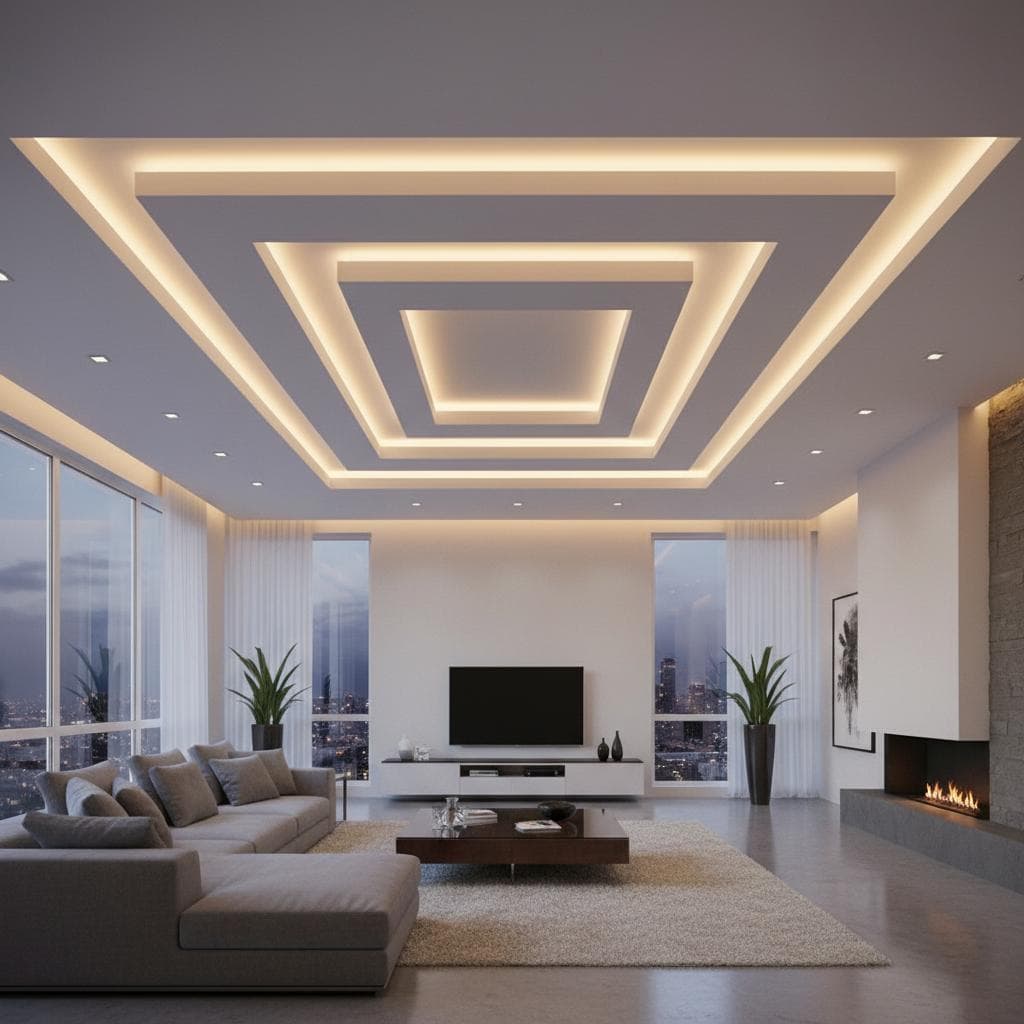 Finishing work
8 min read
Curved shapes in drywall: bold ideas for a striking ceiling
Have you ever thought about how a ceiling can transform the whole feel of your home? With a drywall ceiling you can go far beyond straight lines and achieve movement, flow and a unique character. While classic flat surfaces create a sense of completeness, curved and three-dimensional structures add an element of surprise, style and individuality that instantly catches the eye.
Read Finishing work
8 min read
Plaster vs paint – which is the better choice for your interior?
When it is time for an interior renovation, one of the most common questions homeowners ask is: should I go for paint or decorative plaster? Both have their own advantages, look and price points, which makes each suitable in different situations. The choice is not just about aesthetics – it has a direct effect on the atmosphere, the durability and even the budget of the renovation.
Read