What a ‘full renovation’ of an apartment actually includes
Contractors often use the term differently. We set out the stages from strip-out to the final details, so you know exactly what to expect – and what to ask.

‘Full renovation’ is one of the most elastic phrases in construction. For one contractor it means ‘everything turnkey – you just move in with your suitcases’. For another it means ‘the labour – you buy the materials yourself’. For a third, ‘the core wiring and plumbing, no furnishings’. Before you sign a contract, you need to know exactly which of these you are being offered.
Stage 1: Strip-out and preparation
Removing old tiles, parquet and wallpaper. Taking out sanitaryware, kitchen units and doors. Clearing the waste. Knocking down partition walls if needed. This stage usually takes 5–10 days and is critical, because it reveals the real condition of what lies underneath. This is often where the ‘unforeseen’ issues appear.
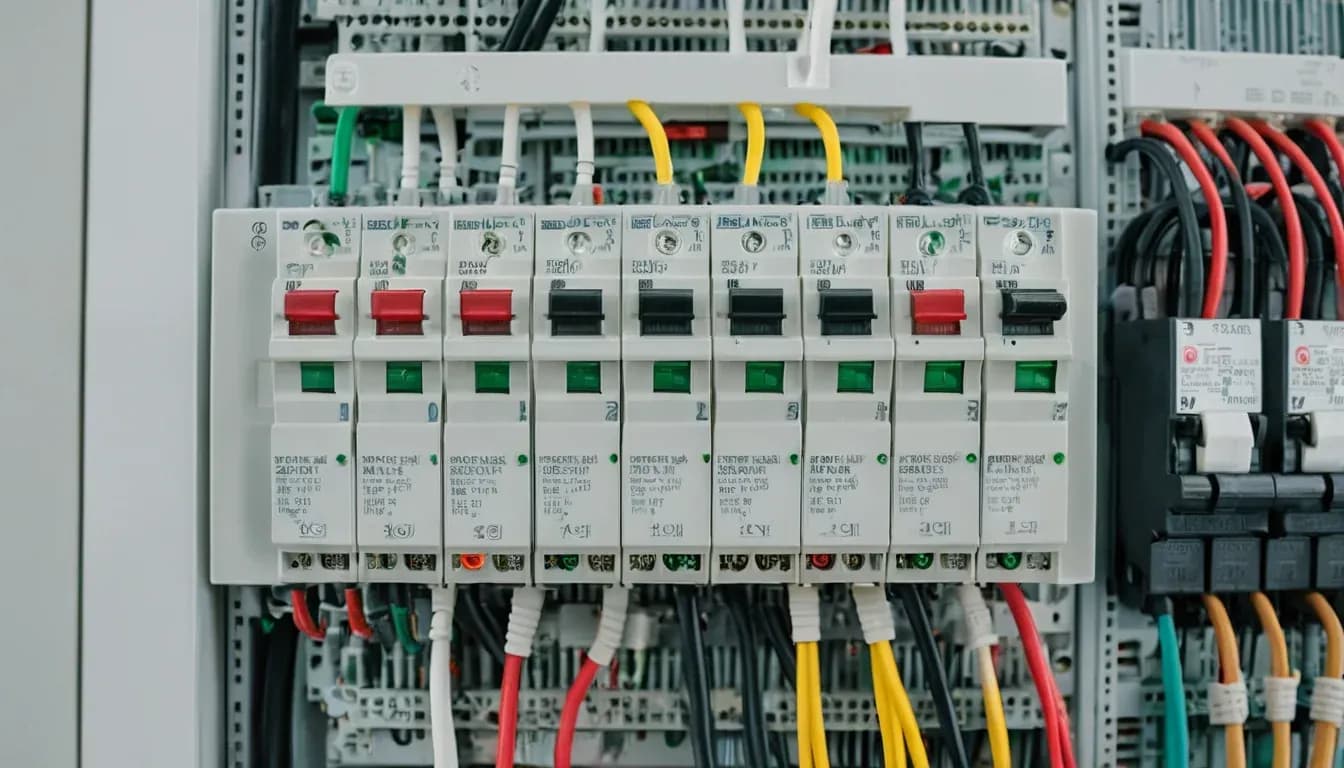
Stage 2: Plumbing and electrics
Plumbing (new risers, new water supply pipes, new drainage pipes, pressure testing). Electrics (new wiring, a new electrical panel, new electrical boxes and sockets, testing). Sometimes heating and air conditioning too. This work is sealed into the walls and floors – which is why it is difficult and expensive to fix later. This stage determines the quality of the renovation for the next 20 years.
Stage 3: Walls and ceilings
Drywall walls or ceilings (if needed). Skim coating. Levelling the walls. Preparation for painting. This is where the ‘rough’ work ends – from here on comes the cosmetic work that clients actually see.
Stage 4: Flooring
Screed (self-levelling or laid by hand). Waterproofing in the wet rooms. Laying ceramic tiles, porcelain stoneware, parquet or laminate. This is also the stage that takes the longest, because of the drying time between layers.
Stage 5: Finishing work
Painting (3 coats – base, intermediate and final). Fitting doors. Installing sanitaryware and taps. Installing lighting and sockets. Fitting skirting boards. Final clean.
What is left out of the renovation
What is usually NOT included in a ‘full renovation’, even when the contractor mentions it: kitchen furniture (only the space for it – not the units themselves); upholstered furniture; curtains and soft furnishings; decorative items; appliances (fridge, cooker, washing machine – only the connections). These are usually your own orders, coordinated with the renovation schedule.
Questions to always ask the contractor
- Which stages are included and which are not? Get a written list.
- Which materials are in the quote and which are ‘for you to choose’? For the latter, what is the approximate budget?
- What happens if we find damp / old electrical wiring / something else after strip-out?
- Who manages the schedule – is there a lead tradesman or a coordinator?
- How often will I get progress updates?
- When will I pay – what is the payment schedule (deposit, stage payments, final payment)?
- What does the ‘final clean’ include – just the construction waste, or washing down as well?
When the answers to these questions are clear and in writing, you understand ‘full renovation’ in the same way as the contractor does. When they are vague, you have a contract that means something different to each side – and that is where the problems begin.
More articles
All articles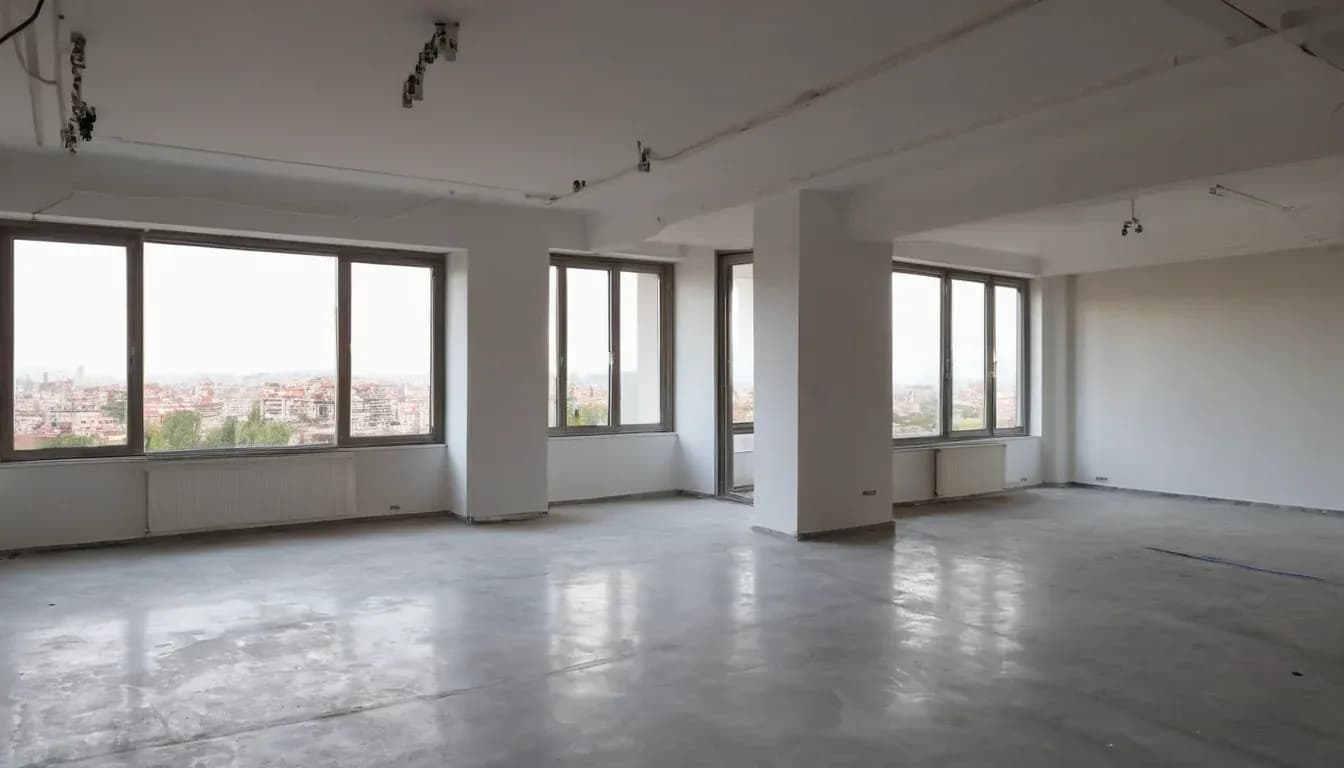 Planning
3 min read
Renovating a new-build home: from shell finish to turnkey
Bought an apartment in a new build? What to check at handover, the order in which the finishing work is done, and where time and money are most often lost.
Read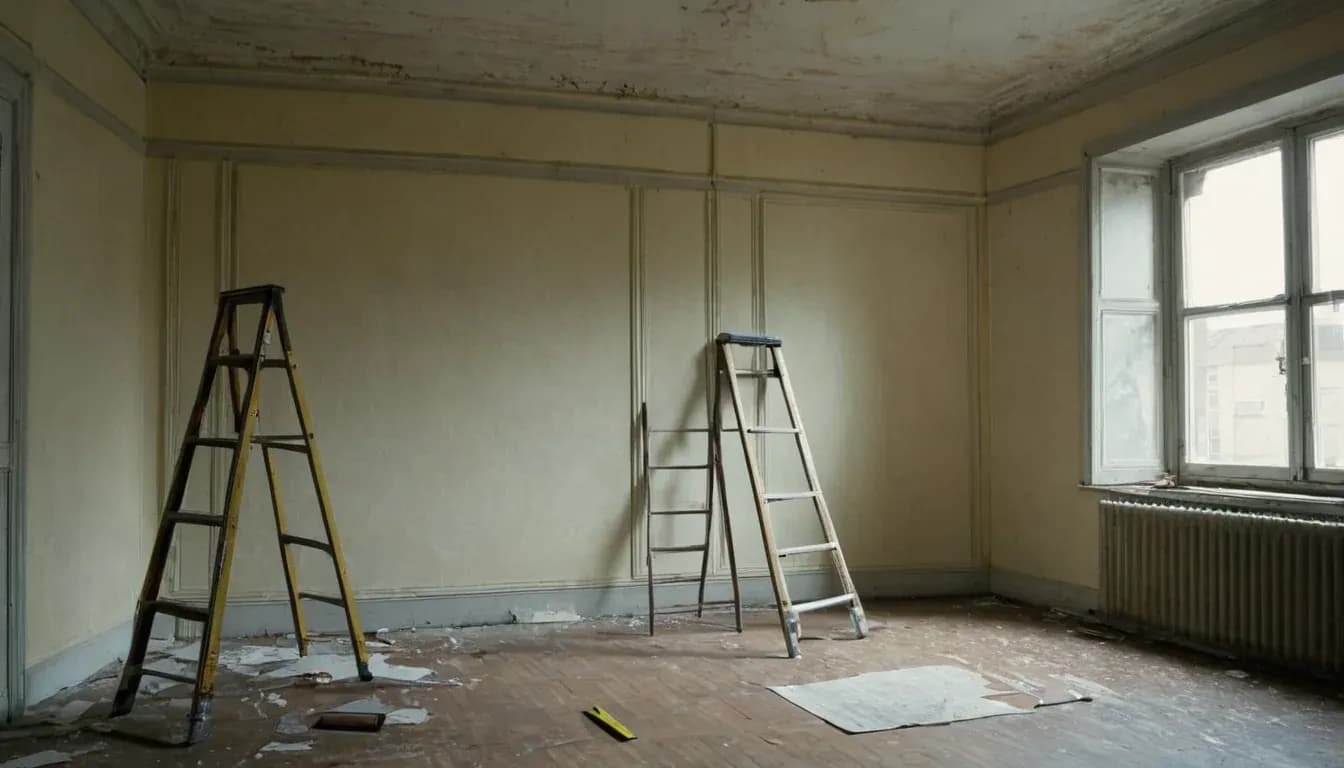 Planning
2 min read
5 mistakes before a renovation starts – and how to avoid them
The most expensive renovation mistakes don’t happen while the work is under way – they happen before it starts. Here are the five most common, and what to do instead.
Read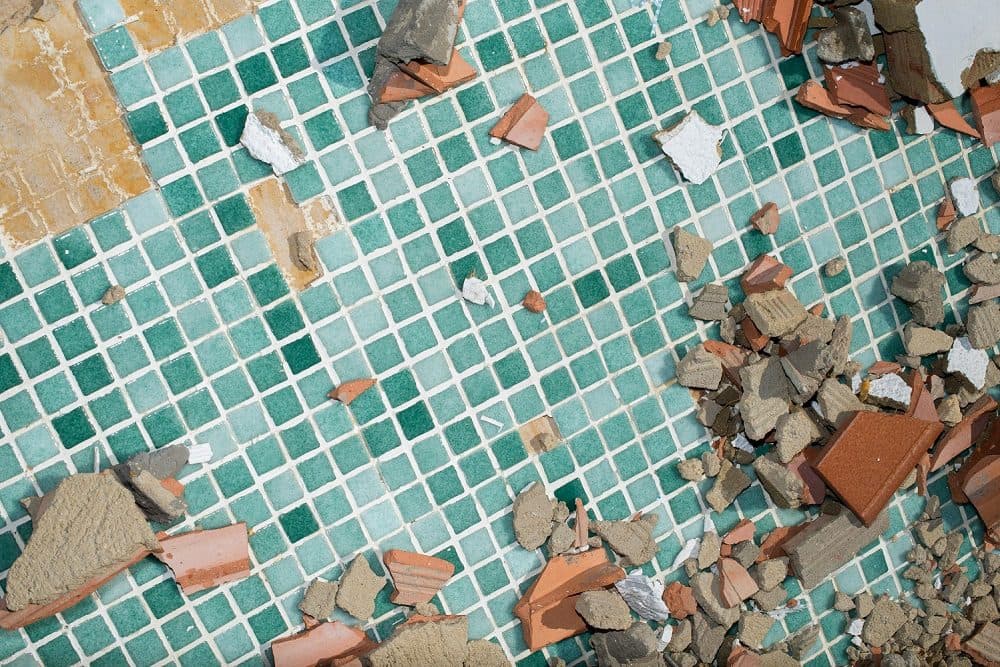 Planning
6 min read
Preparing for a summer renovation: when is the best time for demolition and renovation work?
Summer is almost here – the perfect time to make changes at home! But is it really the best season for demolition and renovation work? Many people believe the warm months offer ideal conditions for building work, but the truth is that every season has its advantages and its challenges. The weather plays a significant role in…
Read