How to choose a contractor
Your choice of contractor decides whether the renovation goes smoothly. Tradesmen differ less in their technique – most of them know how to lay tiles – than in their organisation, communication and willingness to take responsibility. Here are the practical criteria that protect your project.
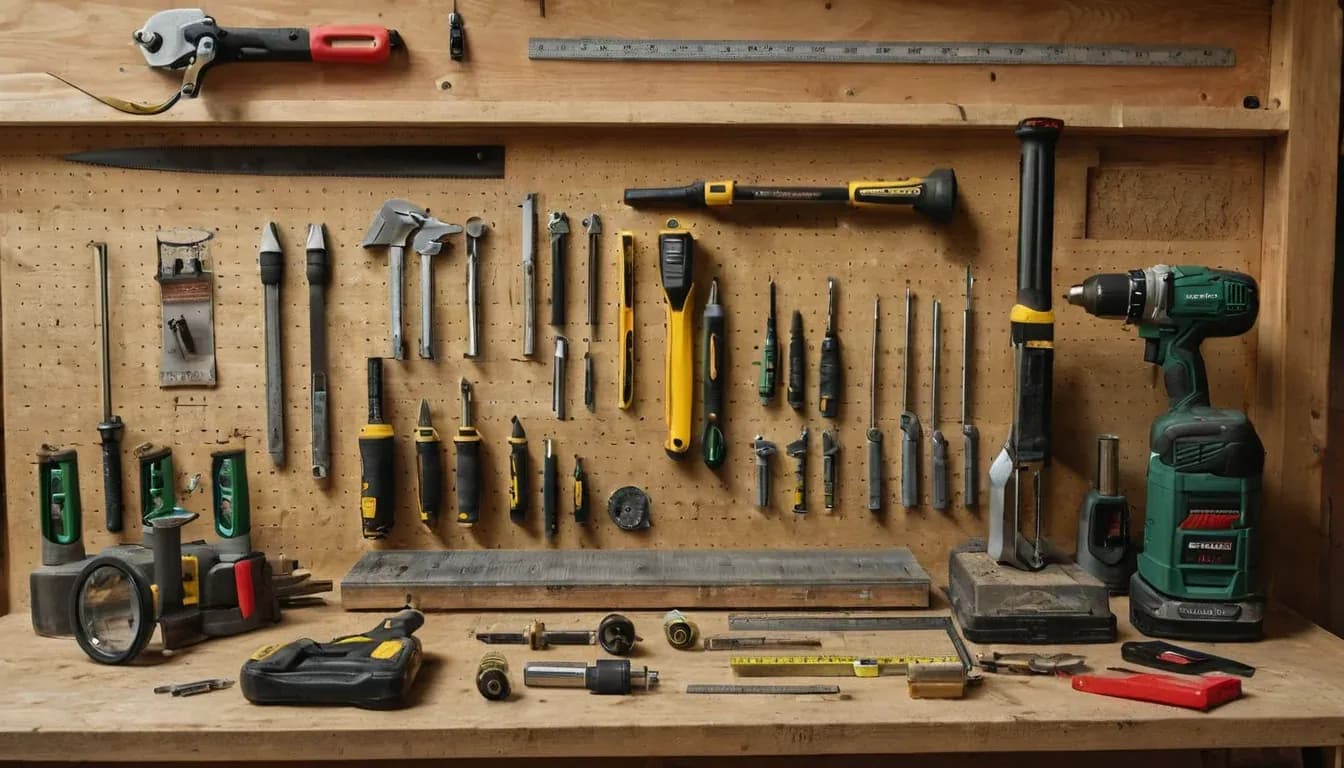
First signal: a written quote or a verbal figure. A tradesman who refuses to put a quote in writing, or only gives a rough total, usually either has not priced the job precisely or does not want to take responsibility for that figure. Without a written document, any dispute in the middle of the renovation becomes ‘my word against yours’. For a small job of a day or two that may be acceptable; for a serious renovation a written quote is a must.
Second signal: a site visit or a price over the phone. A serious contractor wants to see the property before naming a price – whether the building is old or new, what condition the installations are in, what the access is like. A price over the phone after a short conversation is either an average figure or an attempt to get started faster. A site visit is usually free – with us too.
Third signal: the contract and the payments. Good practice is a written contract and payments in stages linked to the schedule, with the final payment on handover. A contractor who asks for most of the amount up front is shifting the risk onto you, and paying the whole amount in advance has no justification.
Fourth signal: references and real projects. Ask about several completed projects you can see – in person or at least in photos. A contractor who works regularly has recent references; if they are all old, or there are none at all, you are taking a risk.
Fifth signal: communication while you negotiate. How they respond by phone and in writing, whether they turn up on time for the site visit, whether they answer specifically or in general terms. You will get the same behaviour during the renovation – poor communication before the start does not improve after it.
Sixth signal: what is not included. A good contractor states clearly what is not in the quote – the materials you choose, furnishings, delivery of large items. A poor one leaves this vague and ‘discovers’ it halfway through. Ask: will I need other tradesmen for things you do not do? Which materials do I choose and buy myself?
Seventh signal: what happens if something goes wrong. Ask: if it turns out after the strip-out that a riser needs replacing – who pays, when, and how is it documented? A serious contractor has an answer. A vague ‘we’ll sort it out’ is a sign that there is no process.
Do not choose on the lowest price alone. A low quote is often incomplete, and the additions needed to reach the full scope cost more than the difference. Choose the clearest process, the best communication and the most detailed quote.
More guides
All guides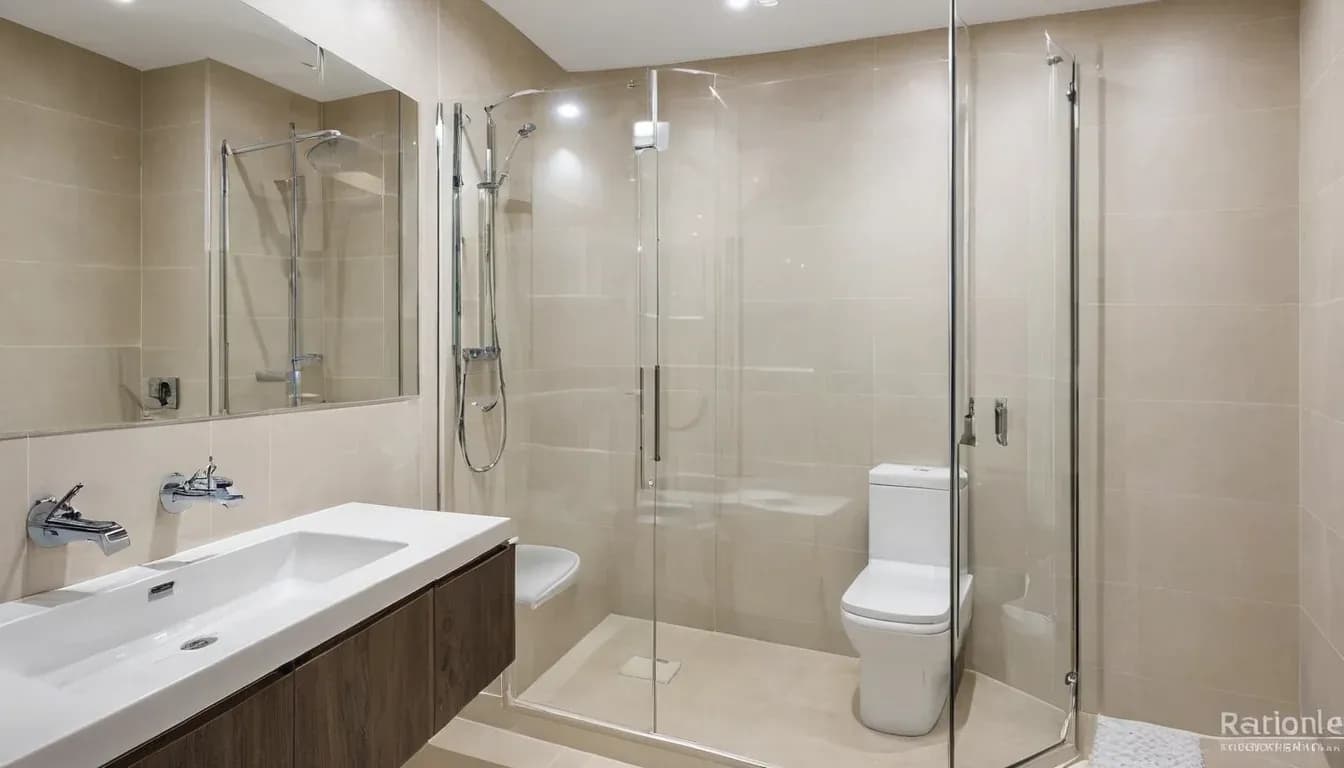 Guide
2 min read
How much does a bathroom renovation cost
How a bathroom renovation budget is put together, which factors affect the price most and how to compare quotes without being misled.
Read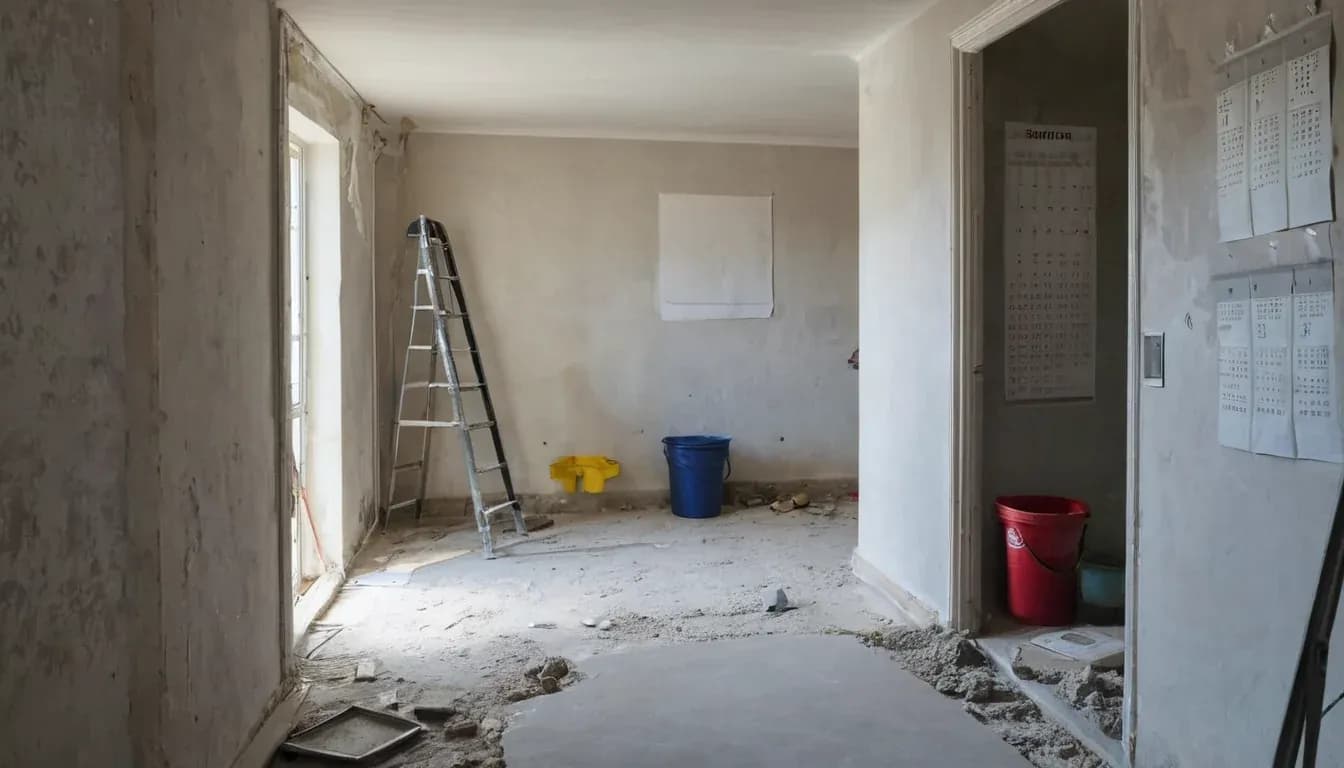 Guide
2 min read
How long does an apartment renovation take
Realistic stages, critical dependencies and how to plan an apartment renovation schedule without chaos or costly pauses.
Read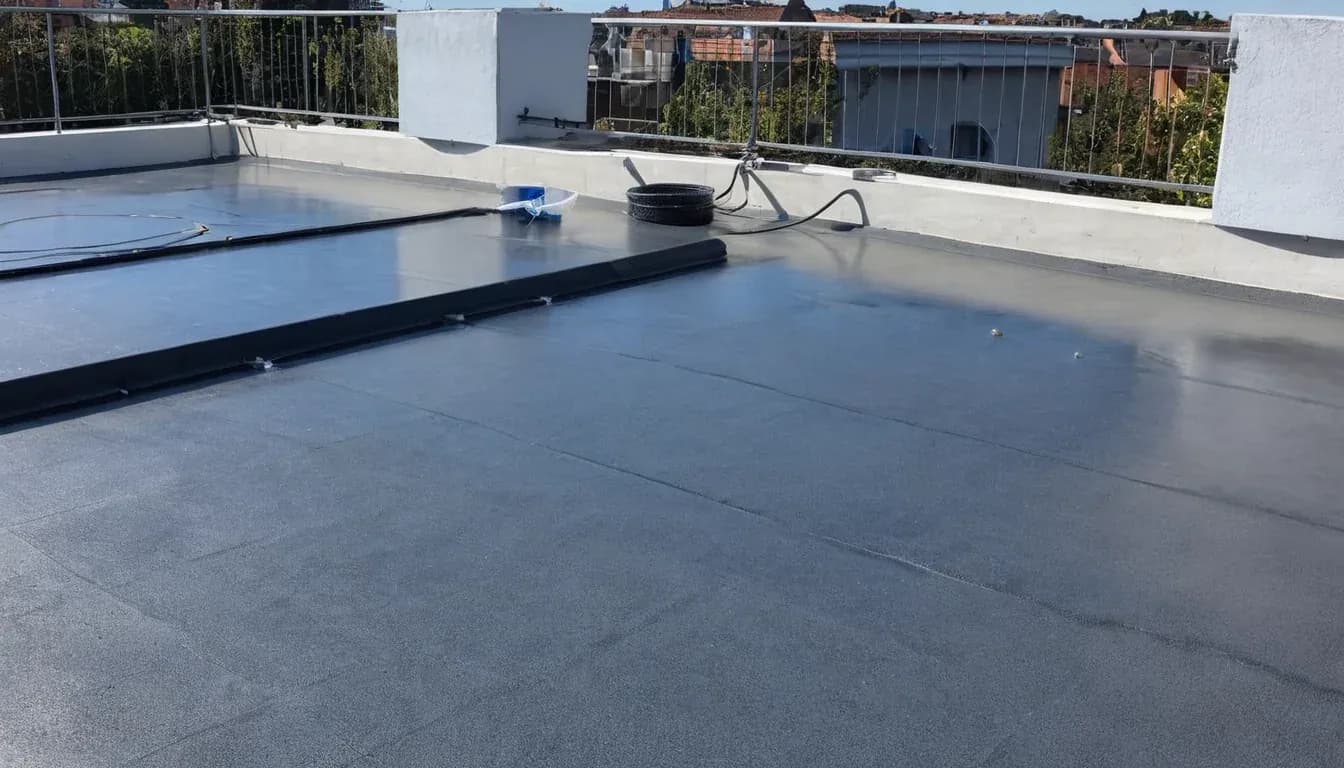 Guide
2 min read
How waterproofing is done
What matters in the preparation, the sequence of stages and the checks on critical details when waterproofing a bathroom, terrace or roof.
Read