How to compare renovation quotes
When you get 3 quotes for the same property, the cheapest is usually 20–30% lower than the other two. The logical conclusion – ‘they are offering the same for less money’ – is almost always wrong: the real reason is that they are NOT offering the same. Here is how to see the difference before you sign.

Step one: put the quotes side by side, item by item. If one is written as ‘bathroom renovation – €5,800’ with no breakdown, and the other has 12 lines (demolition, plumbing, waterproofing, tiles, grouting, sanitaryware, taps, door, lighting, fitting, waste removal, quality control), they are NOT comparable. Ask the first contractor for the same detailed breakdown. If they refuse, that is a signal – not just about clarity, but about the way they work.
Step two: check whether all the quotes include the same items. The low quote often leaves out: the waterproofing, the waste removal, checking the plumbing risers, checking the electrical wiring, the detail work (grouting, silicone, sealing tapes). When you add these missing items back at their higher real prices, the ‘cheap’ quote suddenly turns out to be expensive.
Step three: check the materials. ‘Tiles at €25/m²’ and ‘tiles at €60/m²’ are different projects, not different quotes. Ask each contractor to show you EXACTLY what has been priced – product code, brand, size, colour. When a quote says ‘quality tiles’ with no product code, it means ‘whatever we can find for that price’ – usually cheaper than the client expects.
Step four: check the timeline. ‘4 weeks’ versus ‘6 weeks’ for the same amount of work is a signal. A short timeline means either many teams working in parallel (which can be fine if the coordination is strong) or cutting corners (more likely). Ask: how many people will be working on site at the same time? When does each stage finish? Ask for a weekly schedule.
Step five: check the terms for additional work. What happens if a corroded pipe is found after demolition? What is the procedure – a verbal agreement, or written approval before work continues? What is the unit price for additional work (€/hour, €/m²)? When this policy is vague, ‘additional work’ usually becomes the contractor’s main source of profit.
Step six: the warranty and acceptance terms. How many months of warranty are given on the workmanship and materials? What are the criteria for accepting the finished result – when is the job considered complete? Can 5–10% of the payment be held back until minor issues are fixed (a touch-up period)? Clear answers to these questions separate serious contractors from casual ones.
The real maths. We make this comparison regularly in our work: clients who choose the lowest of 3 quotes end up paying on average 12% more than the middle quote. That is because the ‘cheap’ one turns out to be a basic version, and the additions needed to reach the full scope cost more than the difference. Choosing the middle quote with a full, clear scope usually works out cheapest in the end.
More guides
All guides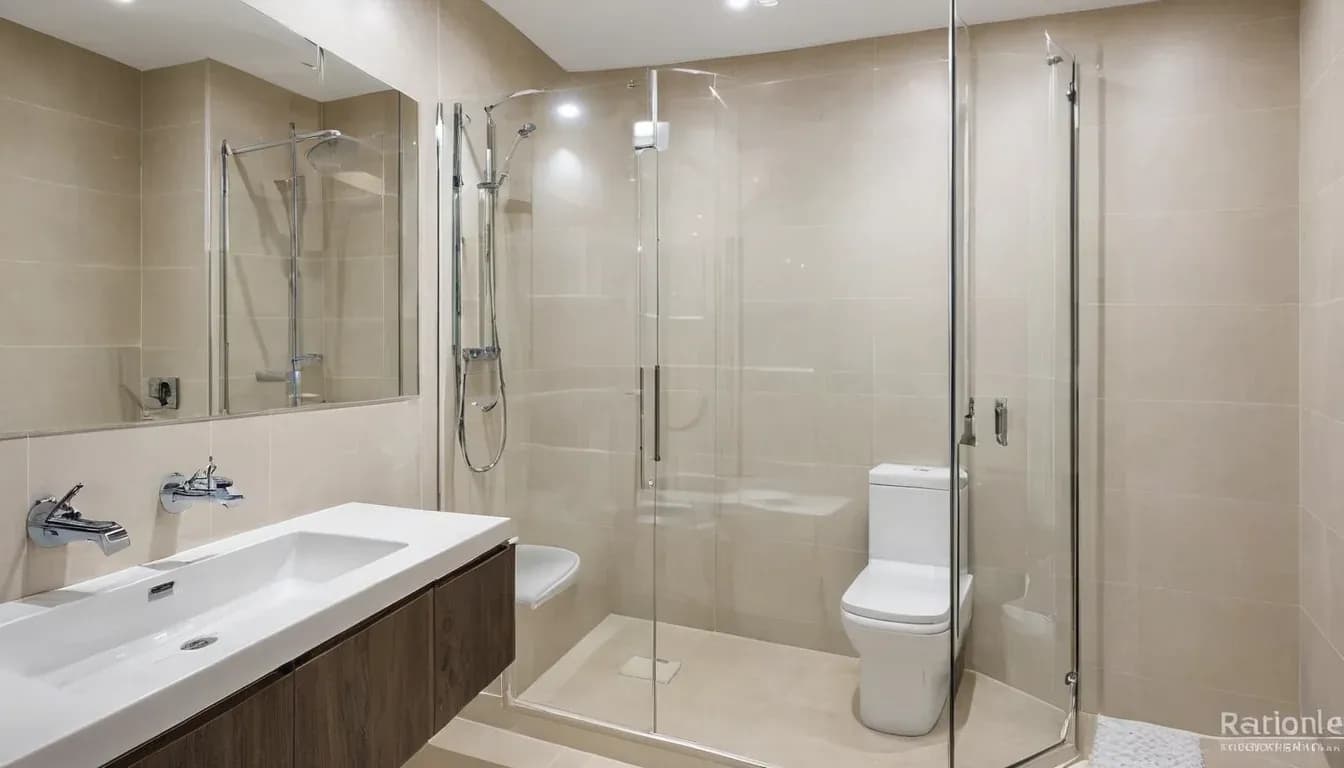 Guide
2 min read
How much does a bathroom renovation cost
How a bathroom renovation budget is put together, which factors affect the price most and how to compare quotes without being misled.
Read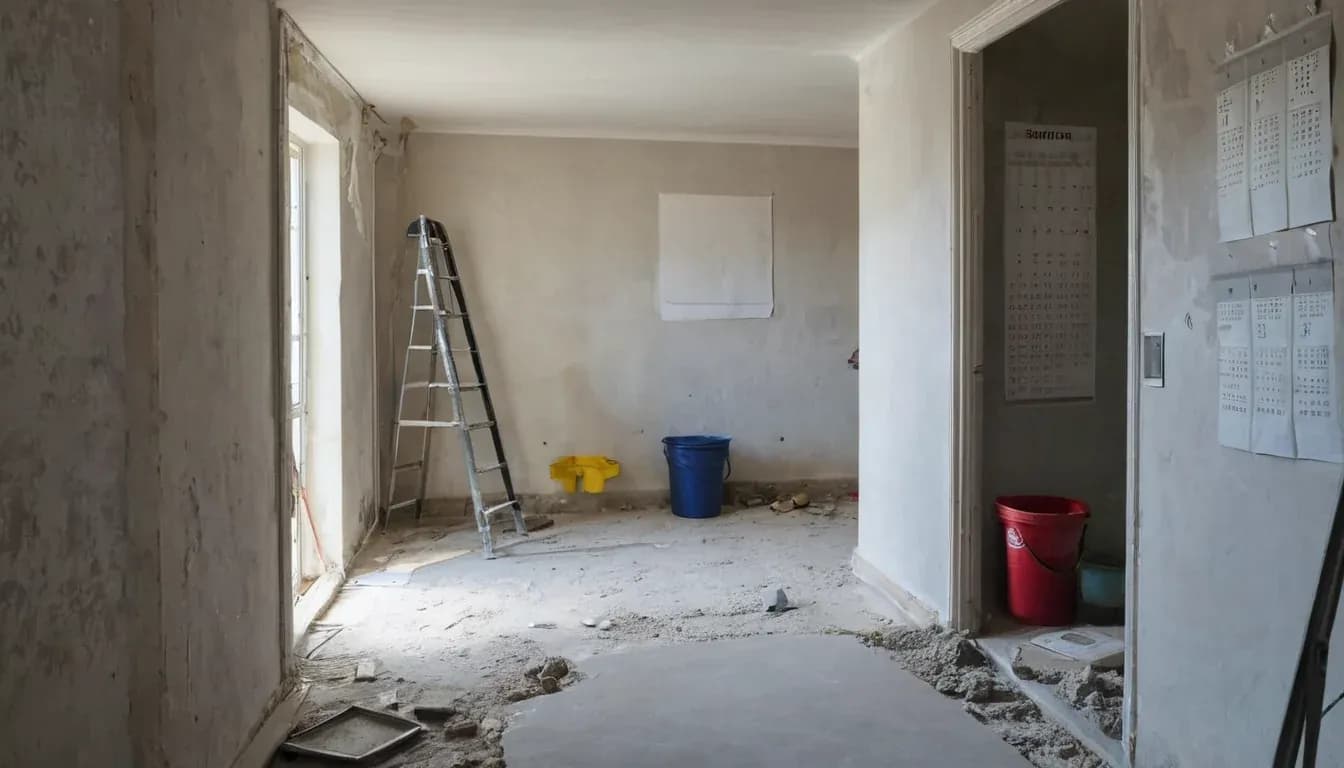 Guide
2 min read
How long does an apartment renovation take
Realistic stages, critical dependencies and how to plan an apartment renovation schedule without chaos or costly pauses.
Read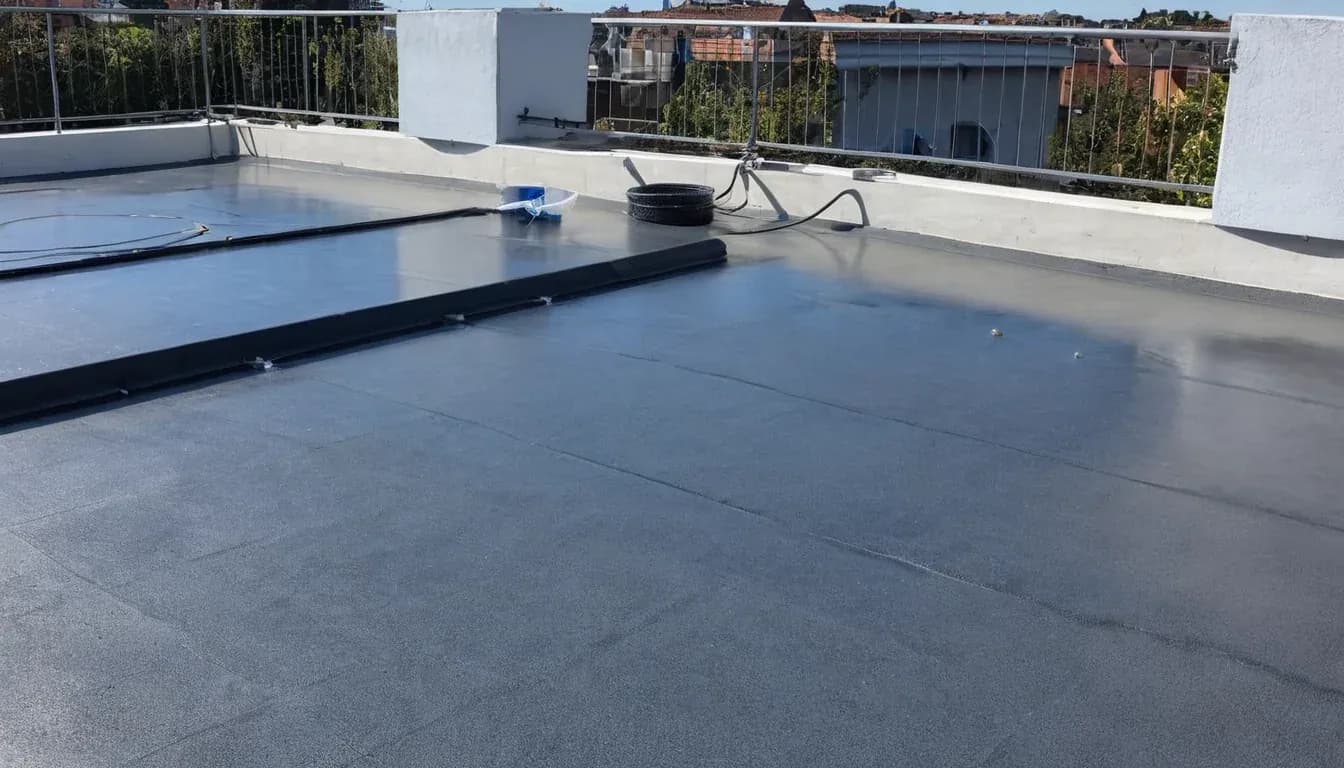 Guide
2 min read
How waterproofing is done
What matters in the preparation, the sequence of stages and the checks on critical details when waterproofing a bathroom, terrace or roof.
Read