Turnkey or phased renovation
The two approaches to a renovation are opposites in almost everything: control, involvement, the time it costs you and the toll it takes on your nerves. A ‘turnkey’ renovation means ‘one contractor does everything, you pay once and move in with your suitcases’. A ‘phased’ renovation means ‘you manage the project, hire different tradesmen for different phases and save part of the middleman’s mark-up’. When does each one work?
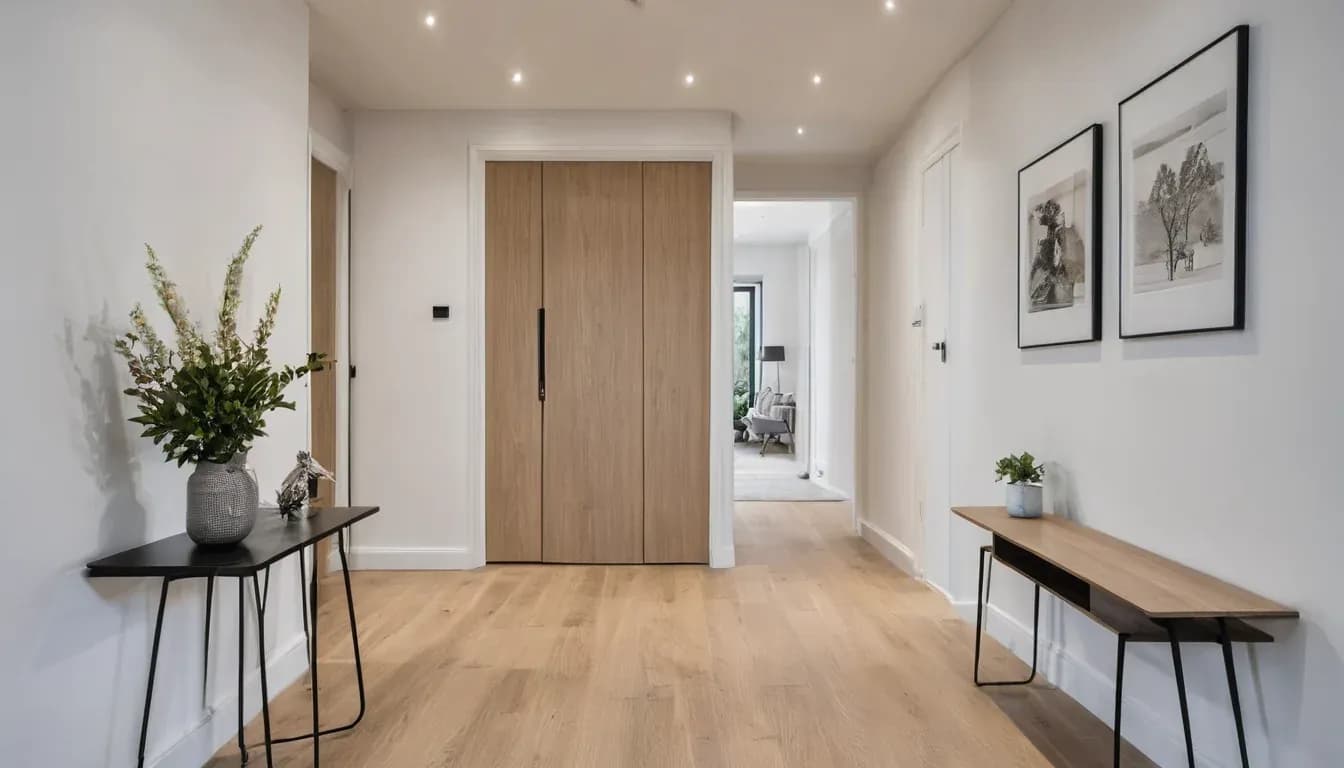
Turnkey renovation – when it works. You have a main job that does not leave room for managing a project day to day. You are not technically prepared (you do not know what a riser is, what self-levelling screed is, or what the real order of the work is). Your budget allows for a 10–20% premium over the ‘real’ costs. You want one contract, one person responsible, one warranty. It makes sense for a full renovation of 50+ m².
Turnkey renovation – what you pay extra for. The company’s coordination work (5–10% of the budget). The company’s profit on top of the individual tradesmen’s profit (5–10%). A mark-up on the materials the company buys for you. Altogether, that is a 10–25% premium over the ‘phased’ route – but in return you get management, a warranty and no stress.
Phased renovation – when it works. You have the time and energy to manage the project (usually 5–10 hours a week for as long as the renovation lasts). You have technical experience or are prepared to learn (forums, videos, conversations with tradesmen). Your budget is tight and that 10–25% saving makes a real difference. You have contacts with specific tradesmen you trust.
Phased renovation – what you take on. Coordination between trades – when the tiler is waiting for the plumber, who is waiting for the delivery of the sanitaryware you ordered. Decisions during the work (‘how should we build this niche?’, ‘should we move the socket or not?’) – which in a turnkey renovation are made by the project manager. Warranties – which become your job with each individual tradesman.
A hybrid approach – often the most practical. A full turnkey renovation for the first 6–8 weeks (demolition, installations, the main works). After that, the finishing is done in phases – you choose and order the tiles, kitchen, sanitaryware and lighting, and hire specific specialists just for the fitting. That way you save on materials and on mark-ups for fittings, without taking on the stress of coordination.
A real example. A 100 m² apartment, mid-range. Turnkey: €38,000 (including fittings, excluding furniture), a 12-week timeline, 1 contract, a 24-month warranty. Phased: €30,500 (including fittings), 16–20 weeks because coordination is slower, separate contracts with 5 trades, warranties of 6–12 months from each one separately. A saving of €7,500 – but 40–60 hours of management work on your part.
Which choice is right. Few projects call for purely one approach or purely the other. Most clients who choose ‘phased’ to save money realise halfway through the project that the ‘savings’ are being eaten up by the stress and by their own time. Most of those who choose ‘turnkey’ complain about the premium but are happy with the peace of mind. The choice is less about money and more about how you would rather live through the renovation.
More guides
All guides Guide
2 min read
How much does a bathroom renovation cost
How a bathroom renovation budget is put together, which factors affect the price most and how to compare quotes without being misled.
Read Guide
2 min read
How long does an apartment renovation take
Realistic stages, critical dependencies and how to plan an apartment renovation schedule without chaos or costly pauses.
Read Guide
2 min read
How waterproofing is done
What matters in the preparation, the sequence of stages and the checks on critical details when waterproofing a bathroom, terrace or roof.
Read