How to choose the right flooring for every room
Flooring is a fundamental element of interior design, providing the backdrop for the rest of the furnishings and decor. It can create a sense of space or cosiness, emphasise a particular style, or add texture and colour. Wooden floors, for example, bring warmth and a natural feel, while ceramic tiles…

Flooring is a fundamental element of interior design, providing the backdrop for the rest of the furnishings and decor. It can create a sense of space or cosiness, emphasise a particular style, or add texture and colour. Wooden floors, for example, bring warmth and a natural feel, while ceramic tiles offer coolness and sophistication. Beyond its looks, flooring also affects a room’s acoustics: it can absorb or reflect sound, making a space quieter or more resonant.
Different rooms have different requirements. Kitchens and bathrooms, for example, need waterproof flooring such as ceramic tiles or vinyl, while bedrooms can benefit from the warmth of a wooden floor or the comfort of carpet. High-traffic areas such as hallways and living rooms need more hard-wearing floors. Some floors need more care than others: wooden floors may need periodic polishing, while ceramic floors are easier to clean and maintain. The flooring should also match the style and colour scheme of the interior. Current trends include wide planks in natural, light shades, which provide a clean, neutral backdrop.
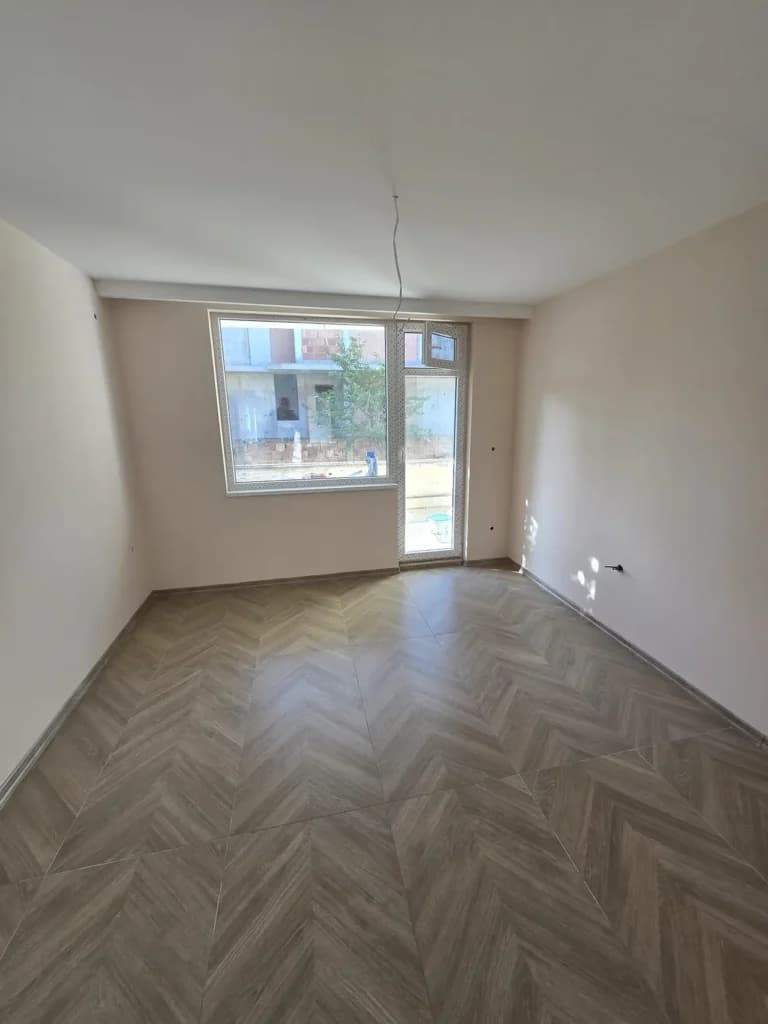
Types of flooring
Hard flooring
- Wooden parquet: Made from solid wood, parquet gives rooms a natural, warm look. It is long-lasting and can be sanded and refinished when it wears. Wooden parquet is, however, sensitive to moisture and changes in temperature.
- Laminate: Made up of several layers, laminate imitates the look of wood or stone. It is scratch-resistant and easy to maintain, but it is not as durable as solid wood and can be damaged by prolonged contact with water.
- Ceramic tiles: Made from clay fired at high temperatures, ceramic tiles are extremely durable and waterproof. They are suitable for kitchens, bathrooms and hallways. They can, however, feel cold to the touch and hard underfoot.
- Stone flooring: Materials such as granite, marble and travertine give an interior a luxurious look. They are durable and hard-wearing, but need special care.
Soft flooring
- Rugs and fitted carpets: They offer comfort and warmth while also improving a room’s acoustics. Carpets are suitable for bedrooms and living rooms, but they can trap dust and allergens and need regular cleaning.
- Vinyl flooring: Made from synthetic materials, vinyl flooring is waterproof and easy to maintain. Modern luxury vinyl tiles convincingly imitate wood or stone, offering durability and good looks at a more affordable price. They are suitable for rooms with high humidity, such as bathrooms and kitchens.
- Linoleum: Made from natural materials such as linseed oil, cork dust and wood resin, linoleum is an eco-friendly choice. It is hard-wearing and antibacterial, but it can be sensitive to moisture and needs periodic maintenance.
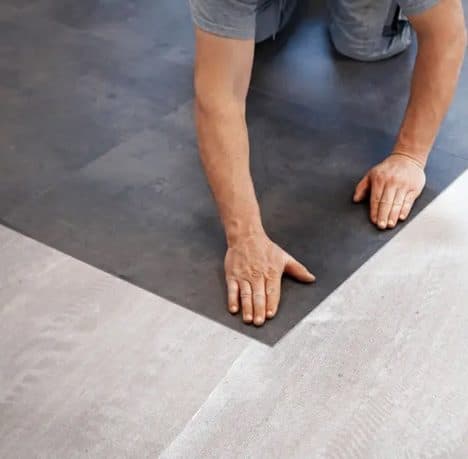
Resilient flooring
- Rubber flooring: It is highly durable and comfortable to walk on. Rubber floors are waterproof and impact-resistant, which makes them suitable for home gyms or children’s rooms. They can, however, have a distinctive smell and come in a limited choice of designs.
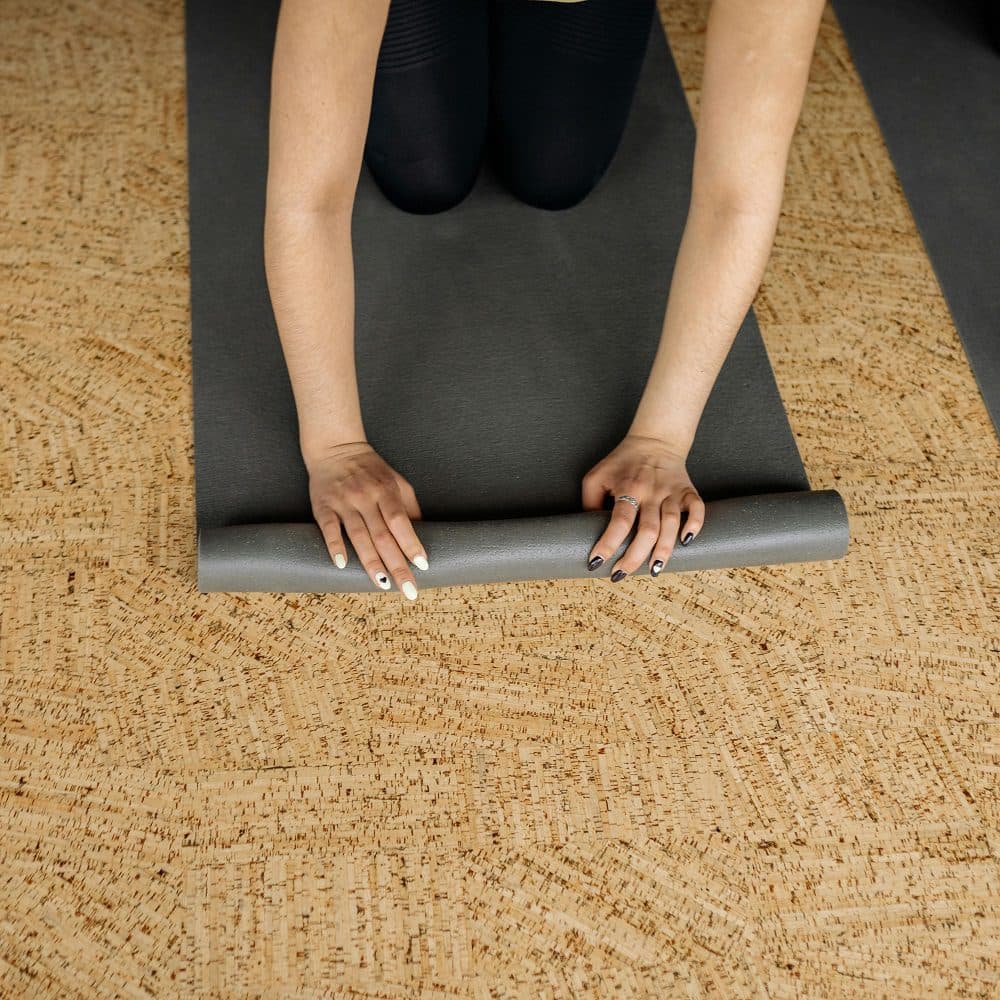
- Cork flooring: Made from the bark of the cork oak, this material is soft and warm to the touch. Cork floors are eco-friendly and offer good sound insulation, but they can be damaged by heavy furniture and moisture.
The right flooring for each room
Choosing the right flooring for each room in the home is essential to the functionality, comfort and look of the space. Different rooms have specific requirements that need to be taken into account when choosing materials. Below are flooring recommendations tailored to the particular features of each room:
Entrance hall
The entrance hall is the first space that greets the people who live in a home and their guests, and it often takes heavy foot traffic and a lot of dirt. That is why the flooring needs to be durable and easy to clean. Ceramic tiles are extremely resistant to wear and easy to maintain, which makes them an excellent choice for entrances. Another option is porcelain stoneware – a mix of clay, quartz and felsite (feldspar) known for its strength and moisture resistance, and well suited to high-traffic areas.
Living room
The living room is the place for relaxing and socialising, so it calls for a combination of comfort and style. A classic choice is hardwood (most often parquet), which brings warmth and elegance to the space. A wooden floor is long-lasting and can be refinished when needed. Laminate, a more affordable alternative to a wooden floor, comes in a wide variety of designs and is easy to install and maintain.
Kitchen
The kitchen is exposed to moisture, spills and heavy use, so it needs hard-wearing, waterproof flooring. Porcelain tiles are extremely durable and scratch-resistant, which makes them suitable for busy areas like this. Another option is vinyl flooring, which imitates a range of materials and is waterproof and easy to maintain.
Bedroom
The bedroom is your private space for rest, where comfort and cosiness come first. Carpets provide warmth and sound insulation, creating a cosy atmosphere in the bedroom. A wooden or laminate floor combined with a rug offers both good looks and comfort.
Bathroom
The bathroom is a room with high humidity, which calls for waterproof, non-slip flooring such as ceramic or porcelain tiles. They are waterproof and come in a variety of designs suitable for wet rooms. Another option is vinyl flooring.
Children’s room
A children’s room needs flooring that is safe, durable and easy to clean. Cork flooring is soft, warm and eco-friendly, keeping children comfortable and safe. Vinyl or rubber flooring is also a modern choice, as it resists stains and is easy to clean.
Factors that affect your choice
When making your decision, it is important to consider factors such as what the room is used for – as we have already said, a room’s function is key when choosing flooring. Another factor is how much foot traffic it gets. High-traffic areas such as hallways and living rooms need durable flooring that can withstand wear, while in bedrooms and less-used rooms you can choose softer, more delicate flooring.
The humidity in a room plays a decisive role in the choice of flooring. Wooden floors can warp in high humidity, whereas ceramic tiles cope better with moisture. The local climate can also affect the stability and lifespan of certain materials.

Different floors need different levels of maintenance. Natural wooden parquet, for example, may need periodic sanding and varnishing, while linoleum is easy to clean and needs no special care. Weighing up how much time and money you are prepared to invest in maintenance is an important part of the decision.
Flooring has a significant impact on how a room looks. Its colour, texture and material should blend harmoniously with the rest of the interior. Dark floors, for example, can make a room feel more intimate, while light tones create a sense of space. Choosing natural materials such as wood or stone can also add a sense of luxury and natural beauty.
Budget is often the deciding factor when choosing flooring. Some materials, such as solid wood parquet, can be more expensive to buy, install and maintain. An alternative such as laminate is a more affordable solution that does not compromise on quality or looks. It is important to strike a balance between the price and the lifespan of the material.
If you are planning to lay the flooring yourself, it is important to assess how complex the installation will be. Some floors, such as click-fit laminate, are designed to be easy for non-professionals to install. Others, such as ceramic tiles or solid parquet, require specialist skills and tools.
In conclusion, carefully weighing up the factors above will help you make an informed choice of flooring. And if you are still wondering which flooring to use, and whether you can manage to lay it yourself, don’t hesitate to get in touch. After a free site visit, we will tell you how we can help you choose and install it.
More articles
All articles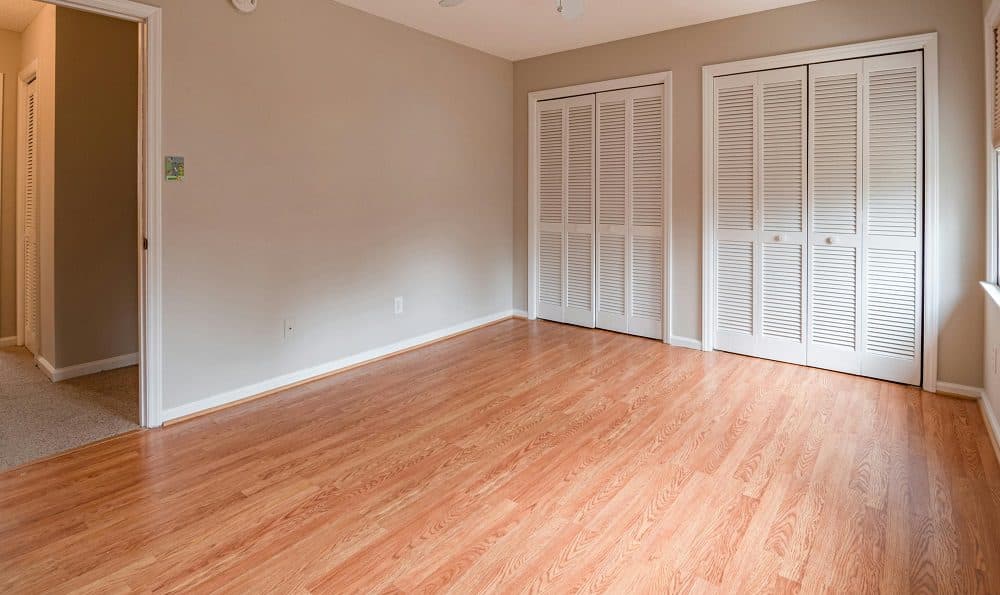 Flooring
7 min read
Flooring for homes with pets
Having a pet is a joy, but it can also be a challenge – especially when it comes to the floors in your home. If your dog loves racing around the house, or your cat sharpens its claws on everything in sight, you probably know how quickly a floor can turn into a battlefield. Claw scratches, paw marks, […]
Read Plumbing & electrics
4 min read
Rewiring an old apartment: when it’s time and how it’s done
Aluminium wiring, old fuses and sockets that heat up – when old electrical wiring becomes a risk, what replacing it involves, and why it is done before skim coating, not after.
Read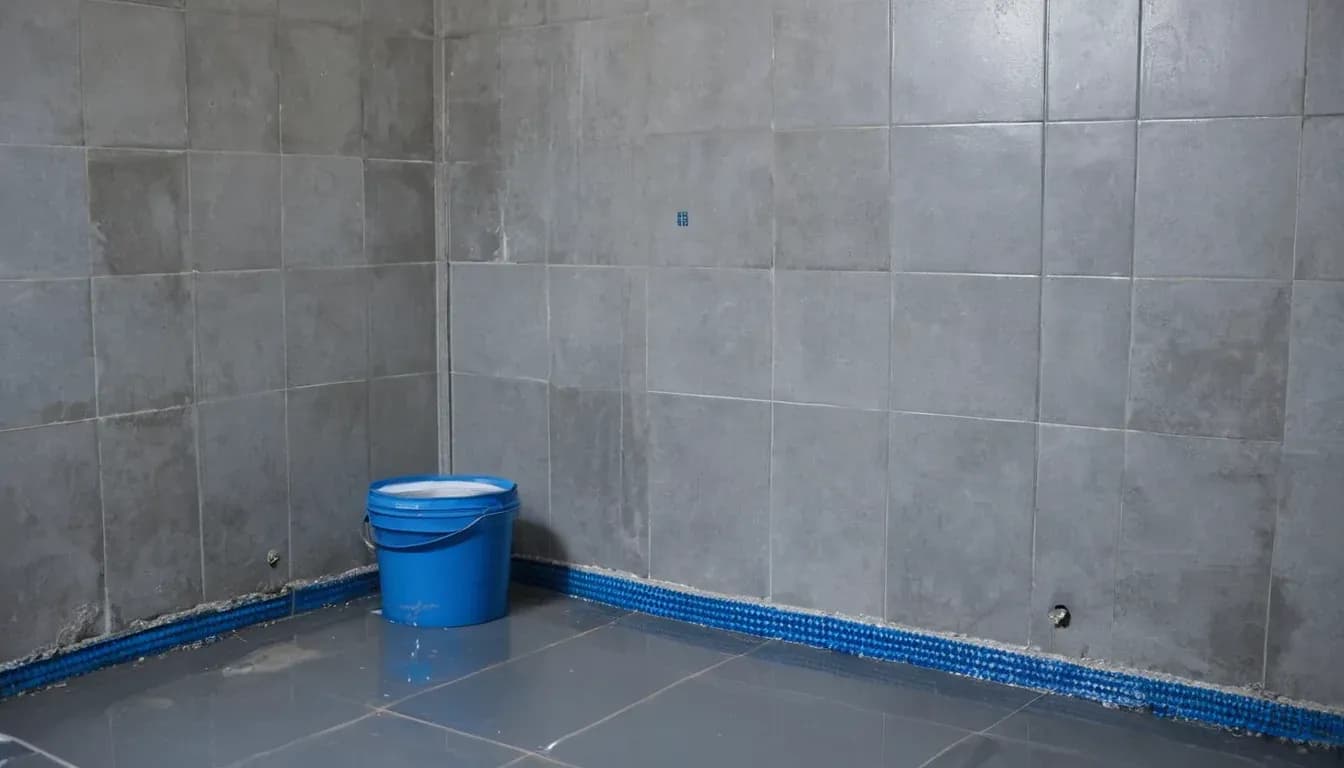 Bathroom
3 min read
Bathroom waterproofing: the invisible layer that protects you and your neighbours
Exactly where waterproofing goes in a bathroom, which details make all the difference, and how it is tested before the tiles go on.
Read