Flooring for homes with pets
Having a pet is a joy, but it can also be a challenge – especially when it comes to the floors in your home. If your dog loves racing around the house, or your cat sharpens its claws on everything in sight, you probably know how quickly a floor can turn into a battlefield. Claw scratches, paw marks, […]
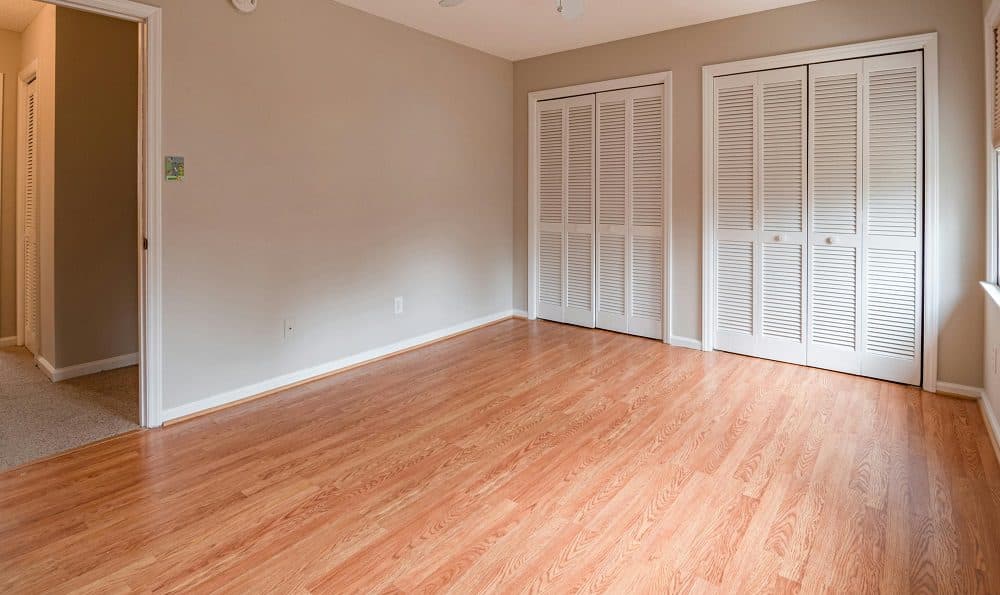
Having a pet is a joy, but it can also be a challenge – especially when it comes to the floors in your home. If your dog loves racing around the house, or your cat sharpens its claws on everything in sight, you probably know how quickly a floor can turn into a battlefield. Claw scratches, paw marks, water spilt around the bowl and hair that sticks to everything – these are just some of the problems pet owners face. Choosing the right flooring is not just a question of looks but of practicality and comfort – for you and for your four-legged friend alike. In this article we look at the best scratch-resistant, easy-to-clean materials and give you practical tips on making your home beautiful and functional without sacrificing your peace of mind.
What makes a floor suitable for pets?
The main criteria are clear: scratch resistance, so that it can withstand dogs’ and cats’ claws; water resistance, because little ‘accidents’ are inevitable; easy maintenance, so you can remove hair and stains effortlessly; and slip resistance, to stop your pets from slipping. According to American sources such as PetMD, a floor should stand up to the daily wear from paws without becoming a health hazard – overly hard surfaces, for example, can put strain on the joints of large breeds.
Large dogs such as German Shepherds leave deep scratches, while small cats may need a softer surface for comfort. Looks shouldn’t be neglected either – nobody wants their home to look like a vet’s surgery for the sake of practicality.
The best materials at a glance
Luxury vinyl (LVT – Luxury Vinyl Tile)
Luxury vinyl (LVT) is one of the most popular choices for homes with pets – and for good reason. It is completely waterproof, which makes it ideal for coping with knocked-over bowls or the odd ‘accident’. Its scratch resistance is impressive, thanks to a tough top layer that stands up to the claws of even the more active dogs. Cleaning is child’s play – a damp mop and a mild detergent are all you need to remove hair and stains.
Its advantages include a wide variety of designs – from wood effect to stone – and an affordable price, which makes it attractive for a renovation on a budget. Foreign sources such as FlooringInc stress that LVT offers high-end looks without compromising on durability. There is a catch, though: unless you choose a version with a textured surface, it can be slippery, especially for older animals… and for people.
Ceramic tiles
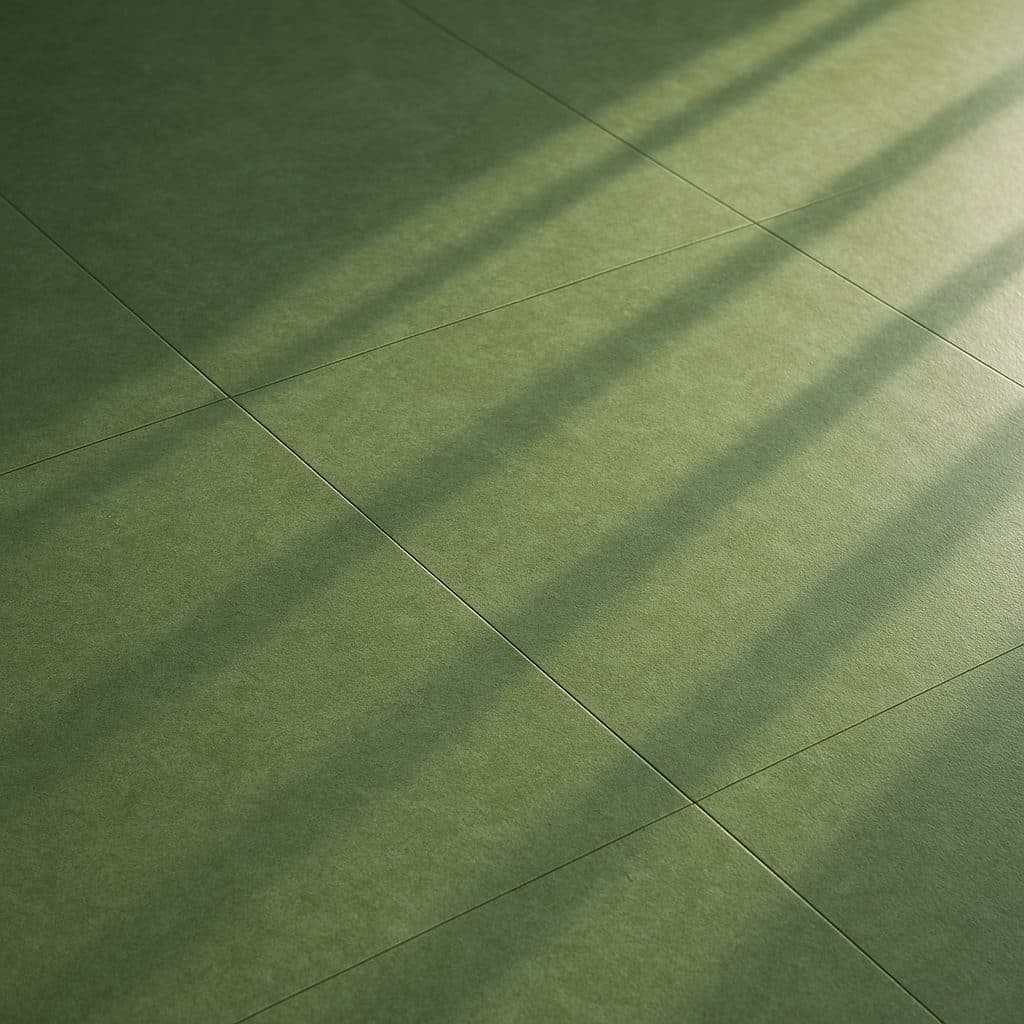
Ceramic tiles are a true champion for homes with pets, thanks to their exceptional durability. They resist scratches – even a big dog’s claws would struggle to leave a mark – and they are not afraid of stains. Cleaning is easy: a little water and a neutral detergent remove any marks in minutes. DogsAndCats.bg notes that tiles are a top choice for homes with active animals, especially in areas such as the kitchen or the hallway.
The advantages also include a huge range of colours and patterns – from classic white to natural stone effects – which makes a stylish interior possible. Foreign sources such as The Spruce praise ceramic tiles for their longevity under heavy wear. There are drawbacks, though: tiles are cold to the touch, which pets may find unpleasant in winter, and they can be slippery unless you choose a design with a textured surface. The solution? Add a rug in key areas for extra comfort and safety.
Bamboo floors
Bamboo floors are an increasingly popular choice for homes with pets, thanks to their hardness and scratch resistance. Bamboo is tougher than many traditional hardwoods, so it can stand up to dogs’ and cats’ claws. It is also eco-friendly – it grows quickly and is a renewable resource, which appeals to nature lovers. Foreign sources recommend it for its durability in everyday use.
Its advantages include antimicrobial properties, which reduce the build-up of bacteria from pets’ paws, and easy maintenance – a broom and a damp cloth work wonders. Bamboo also brings warmth and style to an interior. It does have downsides: it is noisier when animals run across it, which can be irritating in a quiet home, and it is sensitive to moisture – spilt water needs to be wiped up quickly. If you choose bamboo, consider a protective finish and rugs in high-activity areas.

Concrete (polished)
Polished concrete is an indestructible option for homes with pets, standing up to scratches of every kind. The claws of even the most active dogs or cats stand no chance against it – it stays intact even under heavy use. That makes it ideal for owners looking for a long-term investment without compromise.
The advantages are obvious: it is easy to clean with a broom or a damp cloth, and its smooth surface doesn’t hold on to hair – every pet owner’s dream. Foreign websites such as ConcreteNetwork stress that polished concrete resists stains and moisture if it is properly sealed. The drawbacks shouldn’t be overlooked, though: it is hard and cold, which can be uncomfortable for animals, especially without rugs. For older dogs with sensitive joints, this can be a problem. The solution? Mats in the resting areas, so you get both toughness and comfort.
Laminate
Laminate is a practical choice for homes with pets, especially if you are looking for a budget option. With a good top layer it becomes scratch-resistant, so it can cope with light to moderate scratching from dogs’ or cats’ claws. High-quality laminate is a great compromise between price and performance, ideal for owners who don’t want to make a big investment.
Its advantages include an attractive wood effect, which adds warmth and style to the home, and relatively quick installation. If you have never laid laminate or any other flooring before, we are here to help. Don’t hesitate to get in touch – after a free site visit, we will give you a quote. We work 7 days a week in Sofia and Sofia Province.
Foreign sources such as FlooringInc note that modern laminates have improved protective layers. There are downsides, though: laminate is sensitive to moisture – spilt water can damage it if it isn’t wiped up quickly. It can also be slippery, especially for more active animals, unless you choose a textured design. Our tip? Go for waterproof laminate and add rugs for safety.
Tips on choosing and caring for your floor
Choosing flooring for a home with pets depends on several factors. First, think about your budget – laminate is affordable, while concrete or bamboo cost more but last longer. The size of the animal is also key: if your dog is a large breed such as a Labrador, choose concrete or tiles for their toughness, but add a mat for comfort. For smaller cats, vinyl may be enough. And don’t forget the style of your home – a wood or stone effect can keep things looking good.
Maintenance is just as important. Trim your pets’ claws regularly to reduce scratching. Use mild cleaning products so as not to damage the finish, and put rugs down in high-traffic areas such as hallways. That way you will extend the life of the floor and make everyday life easier. Small efforts make a big difference!
Conclusion
Choosing flooring for a home with pets doesn’t have to be a compromise between practicality and style. Luxury vinyl impresses with its water resistance and affordable price, ceramic tiles offer unmatched durability, bamboo combines eco-credentials with hardness, polished concrete is an indestructible option, and laminate is budget-friendly and elegant. Each material has its strengths – from scratch resistance to easy cleaning. The right choice can make life with your four-legged friend easier and more enjoyable, without sacrificing the comfort of your home. Ready to refresh your home? Get in touch for professional advice, a site visit and a quote – we will turn the challenge into a solution tailored to your needs and those of your pet!
More articles
All articles Flooring
7 min read
How to choose the right flooring for every room
Flooring is a fundamental element of interior design, providing the backdrop for the rest of the furnishings and decor. It can create a sense of space or cosiness, emphasise a particular style, or add texture and colour. Wooden floors, for example, bring warmth and a natural feel, while ceramic tiles…
Read Plumbing & electrics
4 min read
Rewiring an old apartment: when it’s time and how it’s done
Aluminium wiring, old fuses and sockets that heat up – when old electrical wiring becomes a risk, what replacing it involves, and why it is done before skim coating, not after.
Read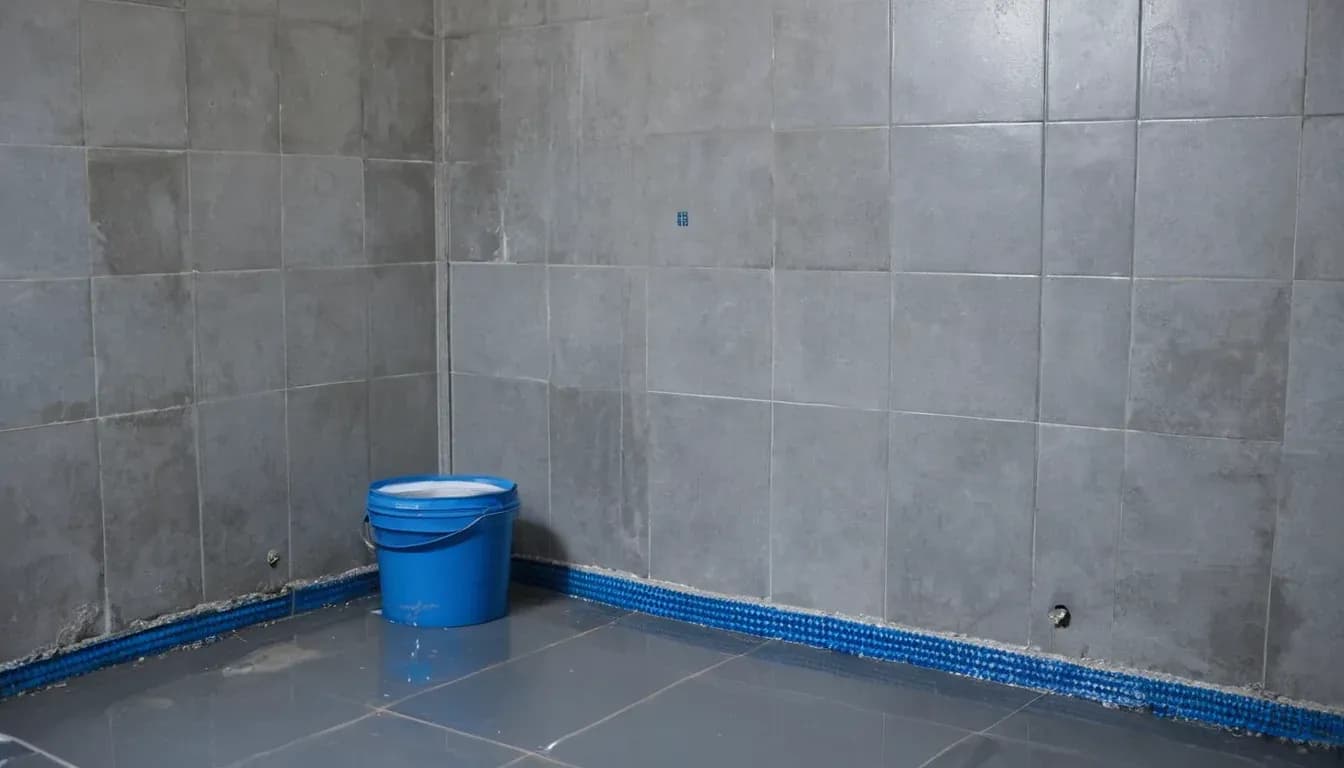 Bathroom
3 min read
Bathroom waterproofing: the invisible layer that protects you and your neighbours
Exactly where waterproofing goes in a bathroom, which details make all the difference, and how it is tested before the tiles go on.
Read