External wall insulation: advantages and disadvantages
Insulating your external walls is key to an energy-efficient, comfortable home. According to Energy.gov, up to 30% of the heat lost from homes is due to poorly insulated walls, which drives up heating and cooling costs. External wall insulation, known as ETICS (External Thermal Insulation Composite Systems)…
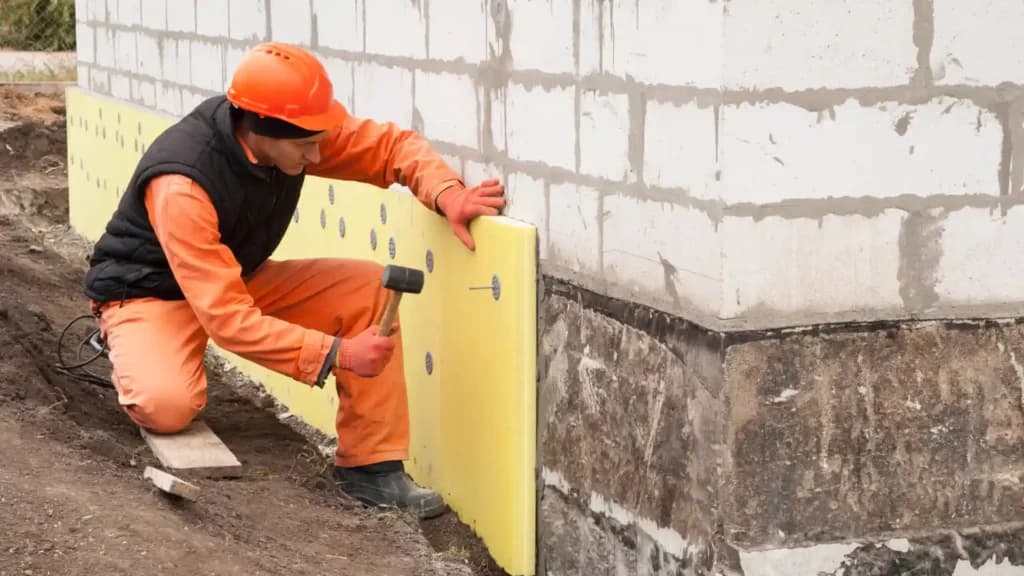
Insulating your external walls is key to an energy-efficient, comfortable home. According to Energy.gov, up to 30% of the heat lost from homes is due to poorly insulated walls, which drives up heating and cooling costs. External wall insulation, known as ETICS (External Thermal Insulation Composite Systems), is especially popular in Europe, where, according to the European Insulation Manufacturers Association (EURIMA), more than 60% of new and renovated buildings use it for its efficiency and longevity. In this article we set out clear, objective information to help homeowners make an informed decision about improving their home.
What is external wall insulation?
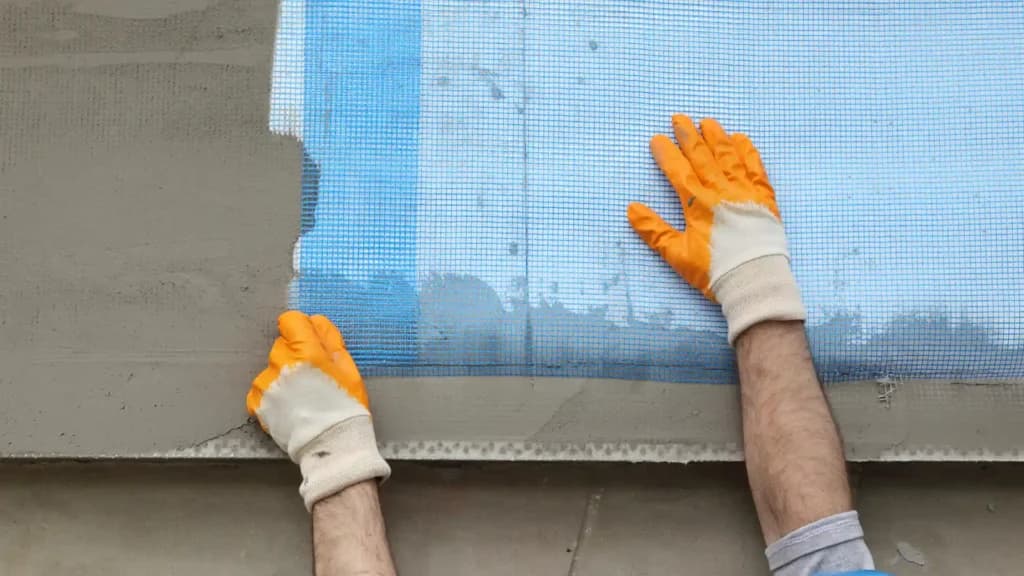
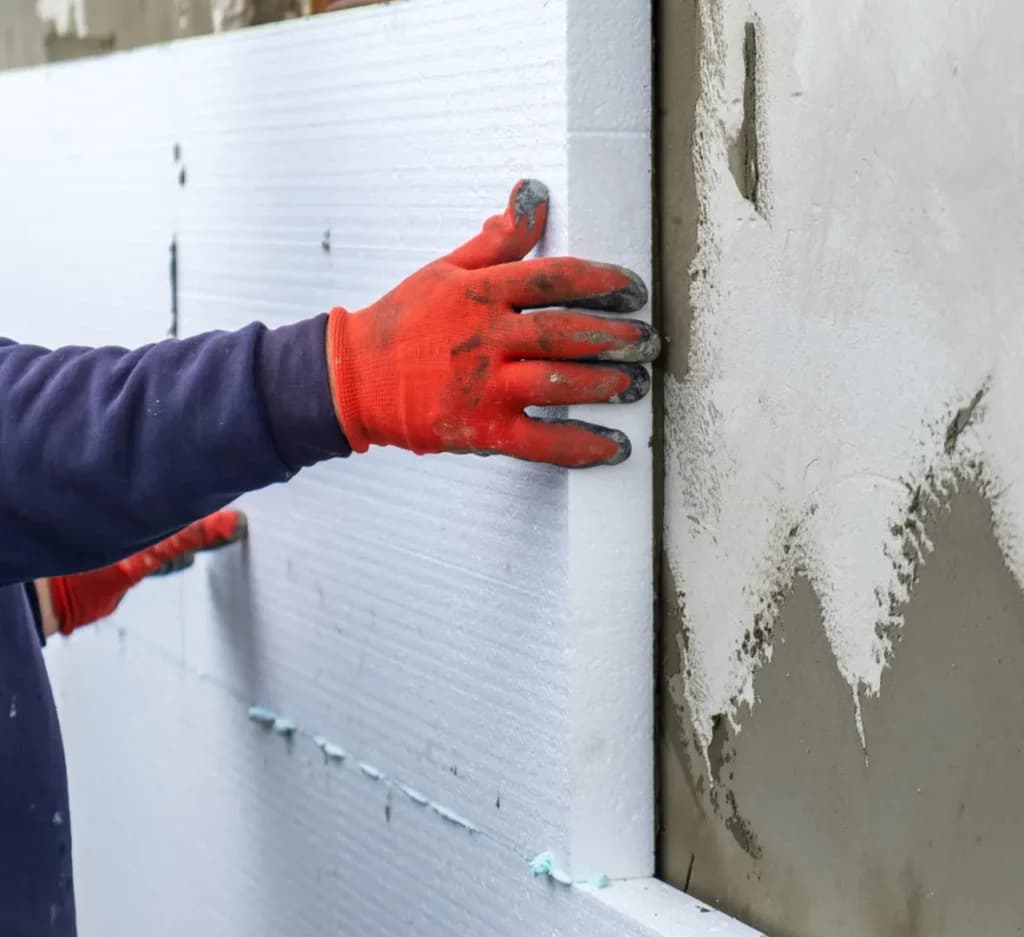
External insulation is a way of improving energy efficiency by fixing insulating materials to the outside walls of a building and covering them with a protective layer. The main materials are expanded polystyrene (EPS), extruded polystyrene (XPS), mineral wool and polyurethane foam, each with specific advantages – EPS, for example, is light and affordable, while mineral wool is fire-resistant. Installation starts with preparing the surface by cleaning and levelling it, followed by bonding the insulation boards, embedding a reinforcing mesh and applying a final coat of render or cladding. One popular system is StoTherm Classic, widely used in Germany for its durability and looks. The method provides effective protection against heat loss and the weather, while also improving the appearance of the building.
Advantages of external wall insulation
External insulation offers many advantages that make it a popular choice with homeowners. These benefits span energy efficiency, greater comfort, protection of the structure, a better-looking building and environmental gains, and they are backed up below with facts and specific examples.
Energy efficiency: External insulation significantly reduces heat loss – according to research by the US Department of Energy (DOE), it can cut losses through the walls by up to 35%. This leads to considerable savings on heating and cooling. For example, a home insulated with expanded polystyrene (EPS) saves up to BGN 1,000 a year on heating bills. This efficiency comes from the system’s ability to create a continuous insulating layer that minimises thermal bridges and stops heat escaping, especially in cold climates.
Improved comfort: External insulation provides a stable indoor climate by eliminating cold spots and preventing sharp swings in temperature. It keeps the inner surfaces of the walls at an even temperature, which makes rooms feel more comfortable. For example, a study of a building in Sweden insulated with mineral wool showed 20% less temperature fluctuation than in uninsulated buildings (Rockwool.com). This matters especially for homes in regions with extreme temperatures, where staying comfortable is a priority.
Protection of the structure: External insulation shields the walls from the weather – rain, snow and UV rays – as well as from the thermal stresses caused by changes in temperature. This extends the life of the building by reducing the need for repairs. Buildings with external insulation show 50% fewer cracks in the masonry than uninsulated buildings. The insulating layer acts as a shield, keeping moisture out and reducing the risk of the reinforcement in concrete structures corroding.
Aesthetic improvements: External insulation lets you refresh the facade with a variety of finishes, such as renders, paints or decorative cladding, which improves how the building looks. Owners can choose from a wide range of colours and textures to give the exterior a personal touch. This flexibility makes external insulation suitable for both new and renovated buildings.
Environmental benefits: By reducing energy consumption, external insulation contributes to lower CO2 emissions. Insulated buildings can cut emissions by up to 20% compared with uninsulated ones. According to Rockwool.com, a study of a residential block in Denmark insulated with mineral wool found that it cut its annual CO2 emissions by 15 tonnes. This makes external insulation a key element in meeting environmental targets, especially in the context of the European directives on energy efficiency.
Disadvantages of external wall insulation
For all its advantages, external insulation also has drawbacks that homeowners should take into account.
High upfront cost: External insulation is an expensive investment. The average price in Europe ranges from BGN 70 to BGN 200 per m², depending on the material and the complexity of the project. Insulating 100 m² of wall, for example, can cost between BGN 7,000 and BGN 20,000 – considerably more than internal insulation, which often comes in at under BGN 70 per m². With internal insulation there are no costs for scaffolding, rope-access workers or external render. This high upfront cost can be an obstacle for owners on a limited budget, despite the long-term energy savings.
Complex installation: Fitting external insulation calls for qualified specialists to avoid mistakes such as thermal bridges, which reduce the insulation’s effectiveness. Badly fixed insulation boards or a lack of proper reinforcement can compromise the whole system. That means hiring experienced contractors, which adds further to the cost. Our insulation crew has many years of experience, and nothing can stop their skilled hands. If you are still wondering what to do about insulation, give us a call and we will respond straight away!
Maintenance and damage: The outer coatings of the insulation are exposed to the weather and to mechanical damage, so they need regular maintenance. Impacts or moisture getting in can cause cracking or weaken the system. Such repairs can add extra costs over the years.
Limitations in old buildings: In older buildings, external insulation can cause problems with ventilation and damp. Poorly designed insulation can trap moisture in the walls, leading to mould. This calls for careful planning and extra measures, which complicates the process.
Aesthetic limitations: External insulation can change the original architectural appearance of a building, which is a problem for heritage-listed buildings and historic sites. Adding ETICS can spoil the authenticity of the facade, which limits its use on protected buildings. This can be an obstacle for owners who want to preserve the traditional look of their home.
How it compares with internal insulation
External and internal insulation are the two main ways of improving energy efficiency, but they come with different advantages and disadvantages. External insulation is better at preventing thermal bridges, because it covers the entire facade and minimises heat loss at points such as corners and joints. Internal insulation, though cheaper, often cannot eliminate these bridges, which makes it less effective. Internal insulation also reduces your living space, because the insulating layers have to be added inside the rooms – sometimes at the cost of up to 5% of the usable floor area – whereas external insulation keeps all of the space. External insulation is particularly well suited to cold climates, as it protects the walls from freezing and thermal stress. Despite its higher price, it offers better long-term efficiency and comfort, which makes it the preferred choice for upgrading buildings.
Practical tips for choosing external insulation
To choose the right external insulation, follow these practical guidelines. First, choose the material to suit the climate: expanded polystyrene (EPS) works well in a temperate climate because it is affordable, while mineral wool is ideal for humid areas because of its resistance to moisture. Second, check the contractor’s credentials and choose a company with a proven track record – we have been doing this for years, and we deliver quality work at competitive prices. Third, ask for a warranty on the installation wherever possible. These steps will help you make an informed decision and get quality insulation for your home.
More articles
All articles Insulation
5 min read
Types of thermal insulation materials and their uses
Today, thermal insulation is a key element of any building, providing not only energy efficiency but also comfort for the people who live there. Thermal insulation is the process of reducing the flow of heat between the inside of a building and the outside environment, using materials with low thermal conductivity. It keeps the heat…
Read Plumbing & electrics
4 min read
Rewiring an old apartment: when it’s time and how it’s done
Aluminium wiring, old fuses and sockets that heat up – when old electrical wiring becomes a risk, what replacing it involves, and why it is done before skim coating, not after.
Read Bathroom
3 min read
Bathroom waterproofing: the invisible layer that protects you and your neighbours
Exactly where waterproofing goes in a bathroom, which details make all the difference, and how it is tested before the tiles go on.
Read