Types of thermal insulation materials and their uses
Today, thermal insulation is a key element of any building, providing not only energy efficiency but also comfort for the people who live there. Thermal insulation is the process of reducing the flow of heat between the inside of a building and the outside environment, using materials with low thermal conductivity. It keeps the heat…
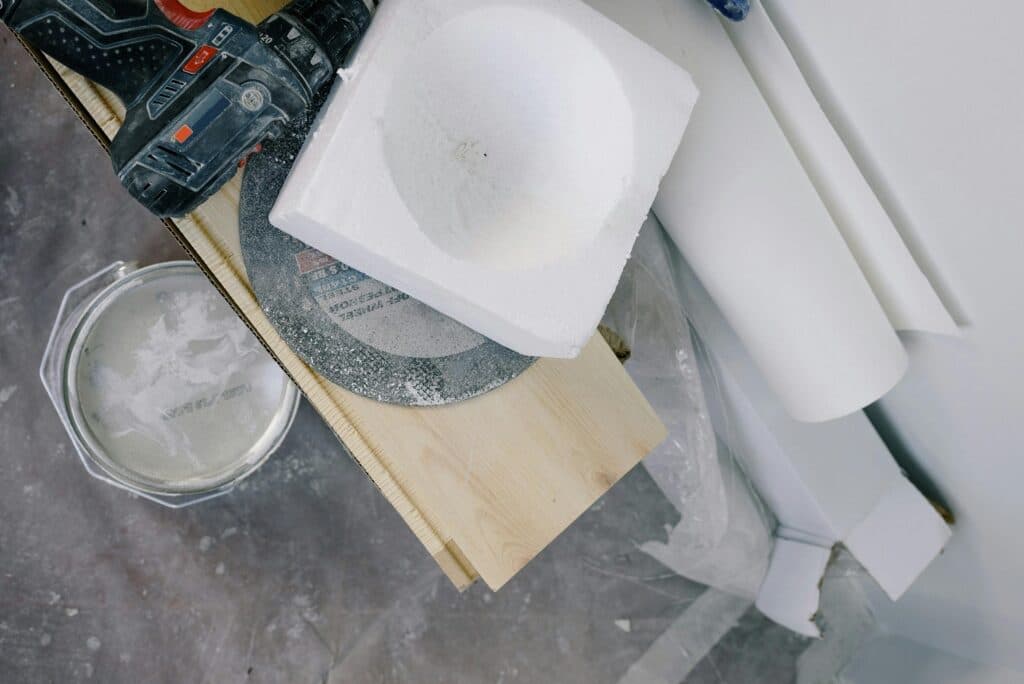
Today, thermal insulation is a key element of any building, providing not only energy efficiency but also comfort for the people who live there. Thermal insulation is the process of reducing the flow of heat between the inside of a building and the outside environment, using materials with low thermal conductivity. It keeps the heat in during winter and prevents overheating in summer, bringing both comfort and savings. With energy prices rising and the need for sustainable solutions growing, choosing the right insulation material matters more and more. According to the European Commission, buildings in the EU consume around 40% of all energy and generate 36% of CO2 emissions, which underlines the global drive to improve energy efficiency. In this article we look at the main thermal insulation materials – expanded polystyrene (EPS), Neopor, Fibran (XPS) and others, such as mineral wool and polyurethane. Each has its own characteristics and uses that make it suitable for particular projects – from residential buildings to industrial sites.
Types of thermal insulation materials
Polystyrene (EPS)
Polystyrene – or, to give it its full name, expanded polystyrene (EPS) – is a lightweight thermal insulation material made from expanded polystyrene beads. The expansion process creates a structure of millions of tiny air cells, which give it its insulating properties. Its main advantages are a low price, easy installation – it can be cut with an ordinary knife – and good sound insulation, which makes it the material of choice for residential projects. EPS does have drawbacks, though: it is sensitive to moisture, which can reduce its effectiveness where the waterproofing is poor, and its low mechanical strength makes it unsuitable for areas that take a load. In Bulgaria, polystyrene is widely used on facades, interior walls and ceilings, especially in residential buildings. Its low price makes it a practical choice for many households.
Neopor
Neopor is an enhanced version of expanded polystyrene (EPS) developed by BASF, with graphite particles added to its structure. These particles reflect radiant heat, improving its insulating performance. According to official data, Neopor’s thermal conductivity makes it up to 20% more effective than ordinary polystyrene of the same thickness. That means thinner boards can be used without compromising on insulation – a key advantage in modern construction. The material also resists ageing, keeping its properties over the years. Its drawback is a higher price than EPS, which can limit its use on budget projects. Neopor is ideal for passive houses and modern buildings with demanding energy-efficiency requirements. In Germany and Austria it is the standard for sustainable construction, and in Bulgaria it is gaining popularity among architects and builders, especially on premium projects in Sofia and Varna.
Fibran (XPS)
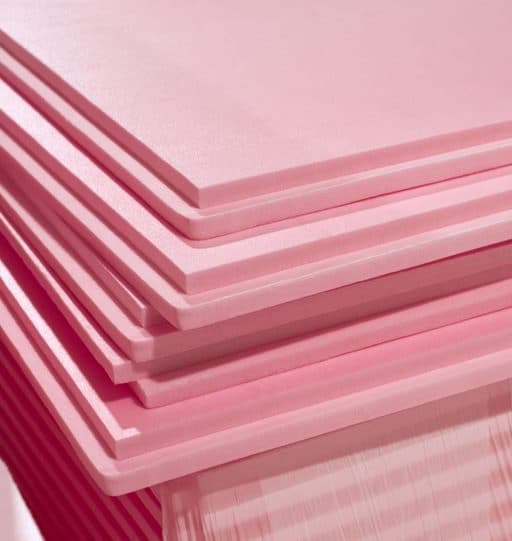
Fibran, or extruded polystyrene (XPS), is an insulation material with a dense, non-porous structure produced by extrusion. This manufacturing process gives it exceptional strength and durability, which makes it ideal for damp areas where moisture is a problem, as well as for places that demand high mechanical strength. Its advantages include longevity and the ability to keep its insulating properties even in extreme conditions. Its drawbacks are a higher price than polystyrene and more difficult handling – cutting it calls for specialised tools. In Bulgaria, XPS is widely used for foundations, flat roofs and floors. Examples include shopping centres in Sofia and Plovdiv such as Paradise Center, where Fibran provides reliable insulation for the underground levels and the roofs. All this makes it the preferred choice for demanding projects.
Other materials
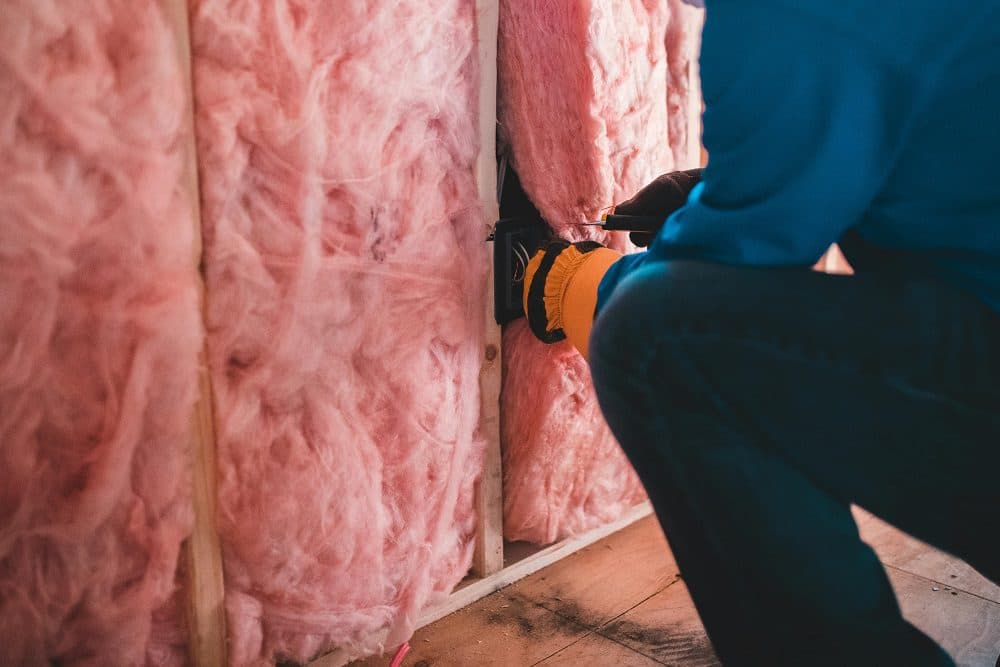
Besides polystyrene-based solutions, there are other thermal insulation materials with a wide range of uses. Mineral wool, which comes as glass wool or stone wool, is made from recycled glass or basalt rock. It insulates well against heat, but its real strength is fire resistance – it does not burn and withstands temperatures above 1,000°C. It also offers excellent sound insulation, which makes it ideal for industrial buildings such as warehouses, and for homes, especially prefab panel blocks. It is valued for its durability.
Polyurethane foam, for its part, stands out for its exceptional insulating performance, which makes it one of the most effective materials on the market. It is produced by foaming polyurethane and is often sprayed on site, though it is also supplied as boards. Its high price, however, limits it to specialist projects – cold stores or modern offices in Bulgaria, for example. Its light weight and resistance to moisture are further pluses, but installation requires professional equipment.
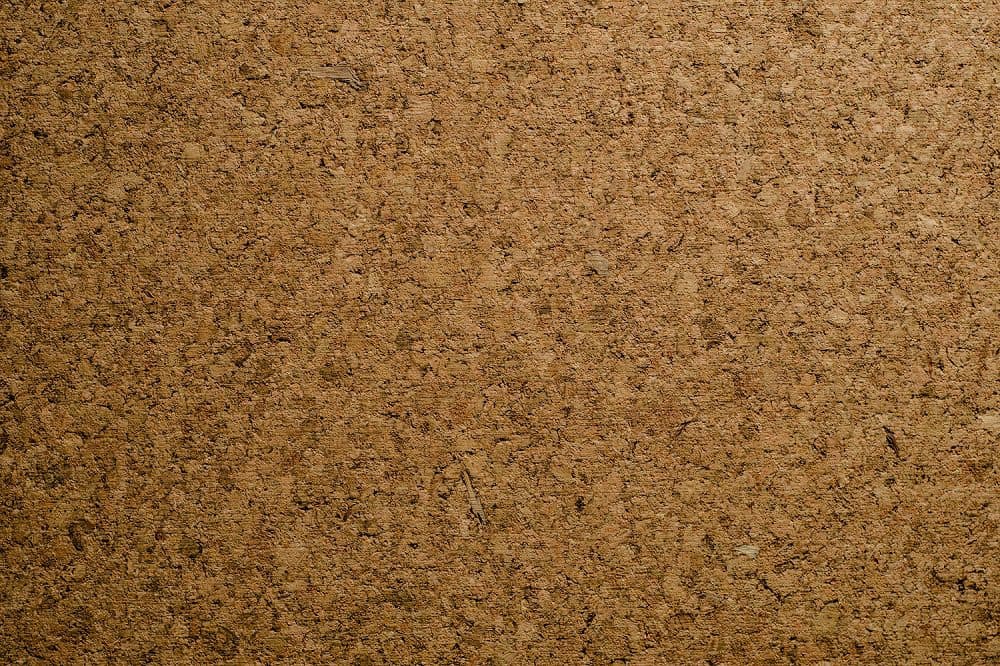
Natural materials such as cork and cellulose are an eco-friendly alternative. Cork, harvested from the bark of cork oaks, has good thermal properties, is 100% natural and offers high sound insulation. Cellulose, made from recycled paper, is easy to apply in hard-to-reach areas. In Western Europe – in eco-houses in Germany, for example – these materials are popular, but in Bulgaria they are rarely used because of their higher price and the lack of mass production; the examples here are a handful of individual eco-projects. They are niche materials, but promising ones for the future.
How the materials compare
The right insulation material depends on the specific needs of the project. Here is how the materials compare on the key criteria: price, thermal performance, moisture resistance, installation and environmental credentials. Polystyrene (EPS) is the cheapest, insulates well and is easy to install, but it is sensitive to moisture and scores poorly on sustainability. Neopor strikes a balance between price and performance, with improved insulation and moderate moisture resistance – ideal for passive houses. Fibran (XPS) is the most moisture-resistant, with high strength and good insulating performance, but it is more expensive and harder to cut. Mineral wool offers fire resistance and good environmental credentials, but needs protecting from moisture. For budget projects we recommend polystyrene, for damp areas Fibran, and for energy-efficient buildings Neopor. When choosing a material for your insulation, we recommend talking to us first. At RemontS we have many years of experience installing every type of insulation – we can give you the most accurate advice and carry out the installation quickly, to a high standard and on schedule.
More articles
All articles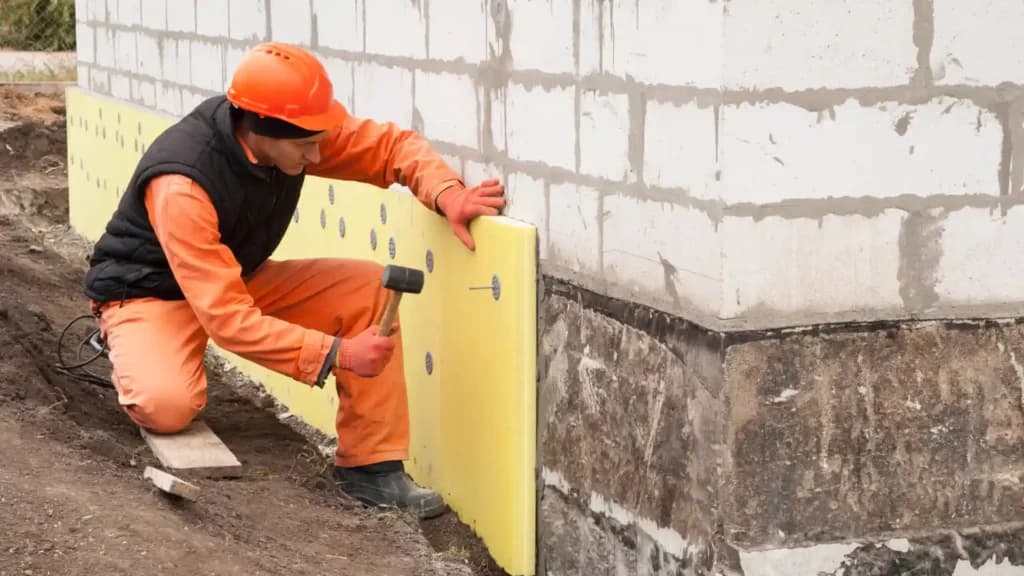 Insulation
6 min read
External wall insulation: advantages and disadvantages
Insulating your external walls is key to an energy-efficient, comfortable home. According to Energy.gov, up to 30% of the heat lost from homes is due to poorly insulated walls, which drives up heating and cooling costs. External wall insulation, known as ETICS (External Thermal Insulation Composite Systems)…
Read Plumbing & electrics
4 min read
Rewiring an old apartment: when it’s time and how it’s done
Aluminium wiring, old fuses and sockets that heat up – when old electrical wiring becomes a risk, what replacing it involves, and why it is done before skim coating, not after.
Read Bathroom
3 min read
Bathroom waterproofing: the invisible layer that protects you and your neighbours
Exactly where waterproofing goes in a bathroom, which details make all the difference, and how it is tested before the tiles go on.
Read