Major apartment renovation in Sofia: stages and timelines
The stages of a major apartment renovation in Sofia in order – from strip-out to handover – and what really determines the timeline. Plus why the exact schedule comes after a site visit.
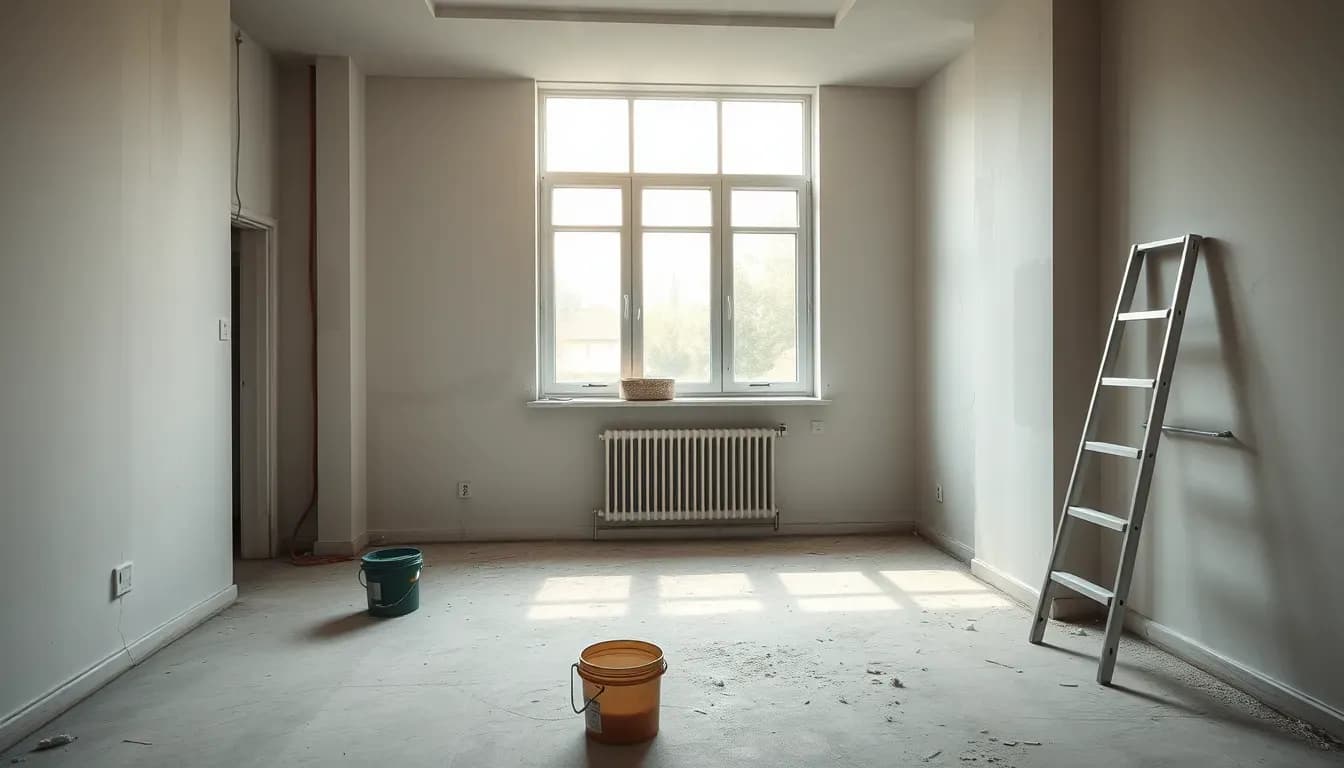
A major apartment renovation in Sofia goes through a clear sequence of stages. When you know their order and what affects the timing, you can plan realistically and avoid the most common source of stress – the feeling that ‘something always drags on’. The overall timeline depends on the scope, on decisions being made on time and on the specifics of the building. The exact schedule is fixed after a site visit and a written quote; below is the realistic picture, stage by stage.
Stage 1: Site visit, quote and preparation (before the start)
Before anything is knocked down, there is the site visit, the written quote with the scope and stages spelled out, the contract and the ordering of the key materials. In Sofia, this also includes agreeing access and working hours with the building’s owners’ association. This phase is often underestimated, but it usually takes several weeks – because of the delivery times for tiles, sanitaryware and windows. Skip it, and the delays appear later, in the middle of the project.
Stage 2: Strip-out
Removing old floor coverings, wall tiles and sanitaryware, knocking down partition walls if needed, and taking the waste away. This stage reveals the real condition of the apartment – this is often where the ‘unforeseen’ issues come out (hidden damp, worn-out pipes, problematic old wiring or plumbing). It usually takes from a few days to a week. In central Sofia, the logistics of waste removal and access can stretch this stage a little.
Stage 3: First-fix plumbing and electrics
New risers (these are a common part of the building, so replacing them is agreed with the neighbours above and below you), water supply and drainage; new wiring, an electrical panel, electrical boxes and sockets; sometimes heating and air conditioning. All of this is sealed into the walls and floors – difficult and expensive to correct later. This is the stage that determines the quality of the renovation for decades to come, so it is not rushed to save time.
Stage 4: Masonry, drywall and screeds
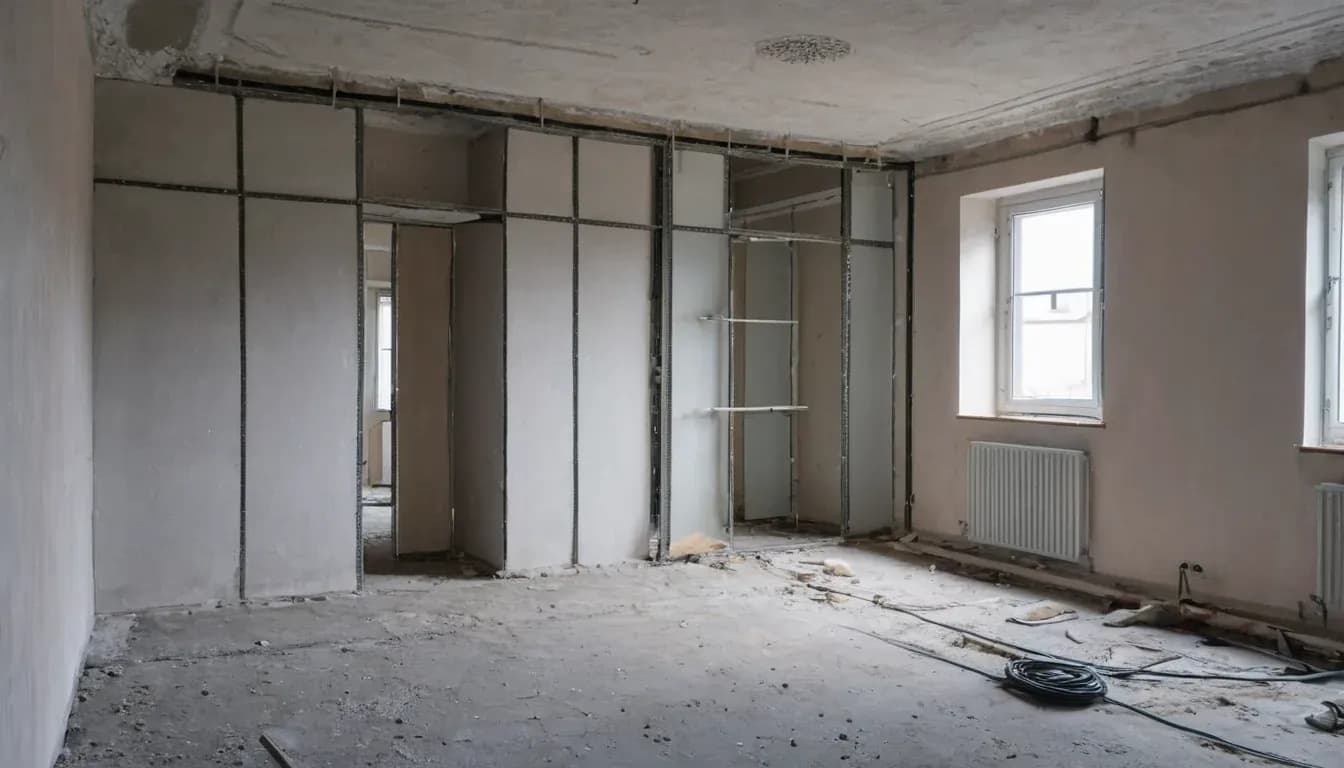
Building new partition walls and drywall structures, laying levelling screeds, skim coating. This is where the most underestimated factor in the timeline comes in – drying time. Screed takes days to weeks to dry, depending on its thickness; skim coating has to dry before painting. This wait cannot be compressed – attempts to speed it up lead to cracks and defects that show up months later.
Stage 5: Flooring and tiling
Waterproofing in the wet rooms, then laying ceramic and porcelain tiles, parquet or laminate. Again, there are waits between layers (adhesive, grout). How long this stage takes depends heavily on whether the materials were ordered in time – one missing tile model holds up the entire stage.
Stage 6: Finishing work
Painting in several coats with drying time in between, fitting doors, sanitaryware and taps, lighting and sockets, skirting boards, and an initial clean. This is the ‘80% done’ stage, with lots of small dependencies. This is where the effects of rushing show up last – which is why good teams give it the time it needs.
Stage 7: Inspection and handover
A joint final inspection, a handover report against the agreed scope and a written warranty for the work carried out. The aim is for you to accept the apartment to the standard you agreed on – not ‘in whatever state it ended up in’.
What really determines the timeline in Sofia
The sum of the stages plus realistic buffers. The biggest influences are: hidden problems in older buildings (prefab panel blocks or the city centre) that only come to light after strip-out; drying times, which cannot be compressed; material delivery times; and – the most controllable factor – delayed decisions. When the choice of tiles, sanitaryware or windows is put off, the whole chain stops. On top of that come Sofia’s particular conditions: the owners’ association rules on working hours and noise, access and use of the lift, and delivery logistics in a dense urban environment. That is why a realistic timeline for a major renovation ranges from a few weeks to a few months, depending on the scope – and the exact figures come after a site visit.
How to protect your schedule
First, make all the key decisions on materials and finishes before the start – not during the renovation. Second, ask the contractor for a weekly schedule broken down by stage, not just a completion date. Third, order and secure deliveries early, so that they are on site at the start. Fourth, agree on short weekly reviews of progress and upcoming decisions. And fifth, leave a buffer of 1–2 weeks in your own plans – it is the difference between a relaxed client and a stressed one.
For a realistic schedule for your apartment in Sofia, book a free site visit. Afterwards you will receive a written quote with the stages and timeline spelled out, tailored to the actual condition of the property and the specifics of the building.
More articles
All articles Process
3 min read
Why renovation deadlines slip – and how to protect your schedule
Almost every renovation overruns its original deadline. We look at the real reasons, and at what YOU can do to minimise the risk.
Read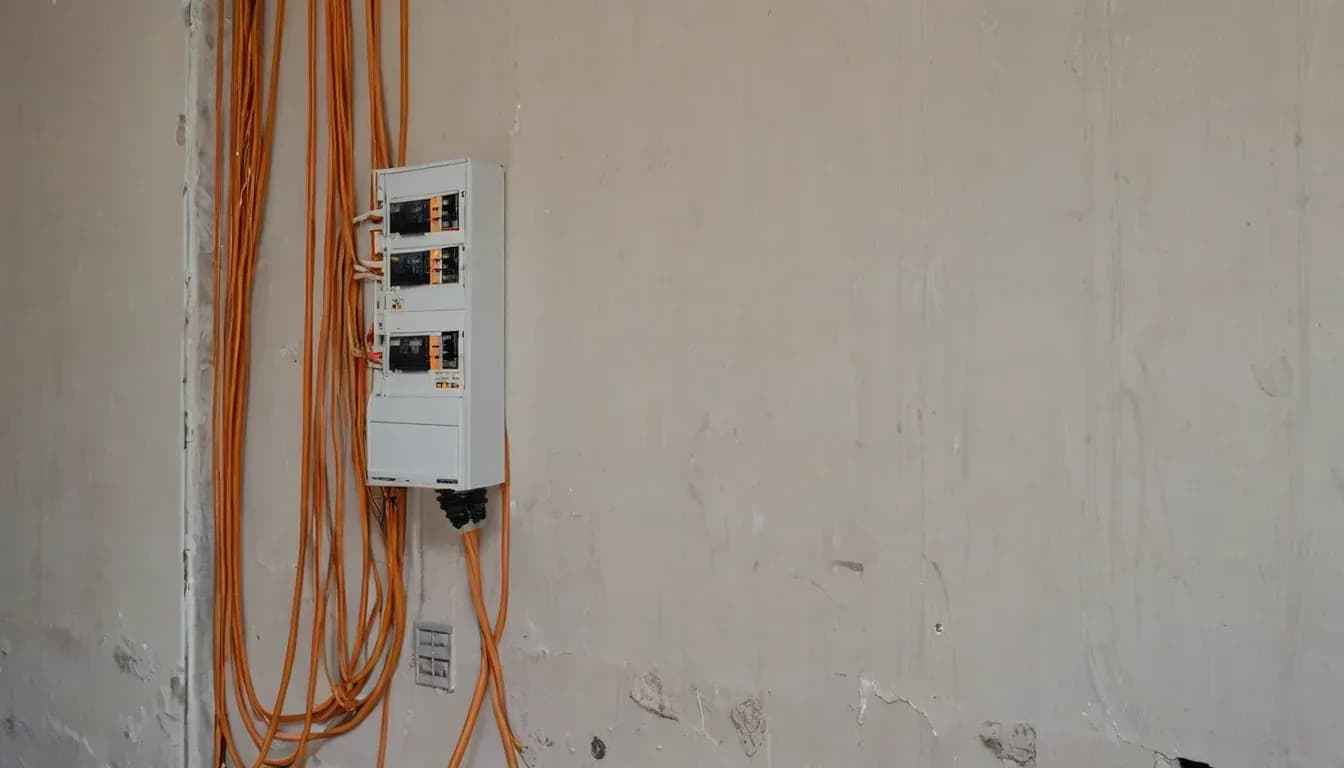 Plumbing & electrics
4 min read
Rewiring an old apartment: when it’s time and how it’s done
Aluminium wiring, old fuses and sockets that heat up – when old electrical wiring becomes a risk, what replacing it involves, and why it is done before skim coating, not after.
Read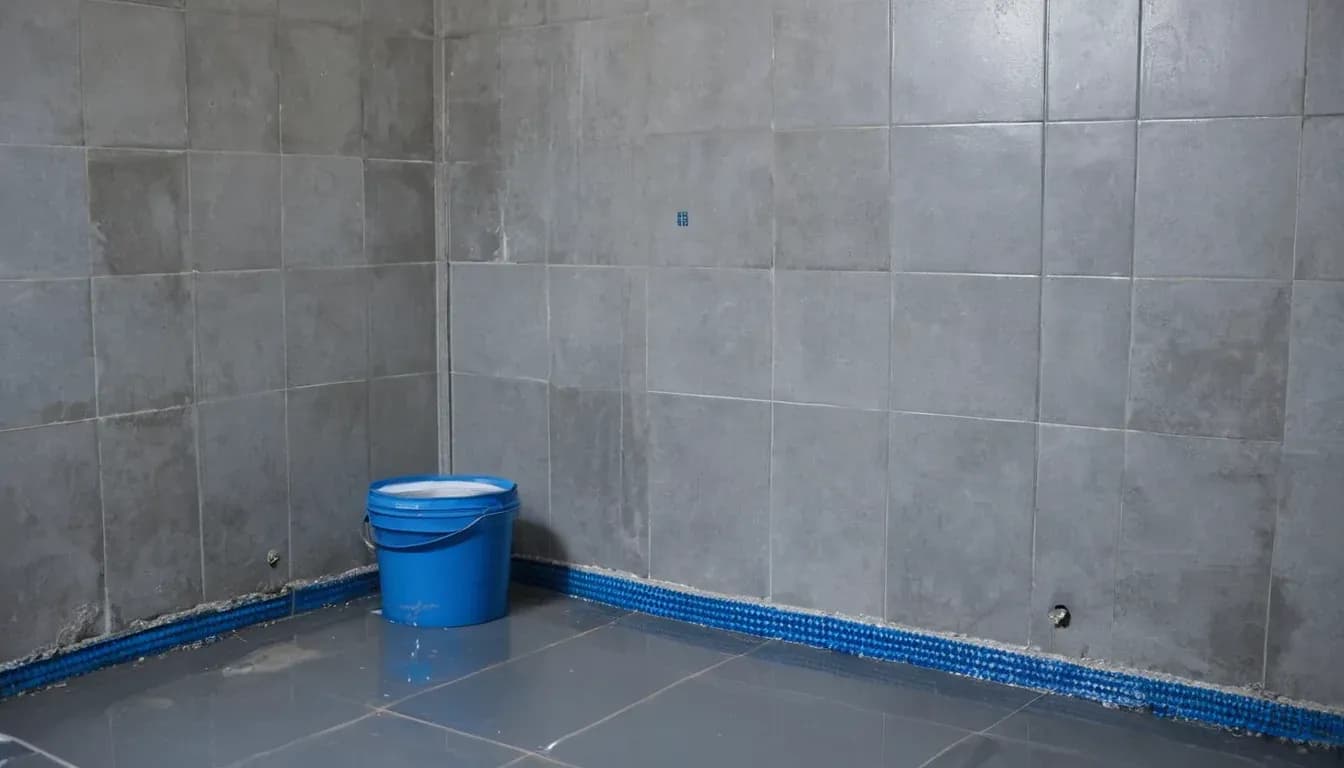 Bathroom
3 min read
Bathroom waterproofing: the invisible layer that protects you and your neighbours
Exactly where waterproofing goes in a bathroom, which details make all the difference, and how it is tested before the tiles go on.
Read