Construction waste removal: cost and how it is organised
What a dump-truck trip to landfill costs, which waste is priced separately, how it leaves the home every day and why sacks are not left by the bins.
Free site visit and quote
Leave your phone – we will call you
Under our price list, taking construction waste to a disposal site by tipper lorry costs €110.00 for labour per trip. Our worked example for a 4 m² bathroom renovation allows for one trip; how many trips your job will need is assessed at the site visit, based on the volume of waste.
In the written quote, waste removal is a separate line – with the number of trips and the price. The waste is carried out of the home every day, and the day, the time and the place for loading the tipper lorry are agreed in advance.
“Demolition, clean-up and removal” is the usual name in Bulgaria for the three jobs that go together at the start of every renovation. What taking out tiles, plaster and walls costs is in demolition costs for bathrooms and walls, and the service in Sofia is on the demolition, clean-up and removal page. This article covers the third part – taking the waste away – and the cleaning after it.
Below are the items from our price list that relate to waste, the sequence from the sack to the landfill, and the cases that are priced separately – timber, metal, a fireplace. Prices are as of October 2026 and may change.
Prices: trips, sacks, cleaning
All prices in the table are for labour. For the tipper lorry, one item is one trip to the landfill.
| Task | Labour price |
|---|---|
| Taking construction waste to a disposal site (tipper lorry) | €110.00 each |
| Collecting waste into sacks | €26.84 each |
| Masking/covering with plastic sheeting | €40.90 each |
| Cleaning and handing over the site | €84.36 each |
| Cleaning the surrounding area and the street | €150.00 each |
‘Collecting waste into sacks’ is for loose waste that has been left lying around – for example after demolition by another crew. When we do the demolition ourselves, the rubble goes into sacks as the work goes on.
Cleaning comes under two items: the site itself – at the end, before it is handed over to you – and the area and street around it. Covering with plastic sheeting keeps the dust out of the rooms that are not being worked on.
How many trips: volume decides, not floor area
The number of trips depends on the volume of waste, not on the floor area of the home. Once broken up, demolished material takes up more space than it did in the wall or the floor.
Brick walls and screeds produce far more volume than tiling, because they are thicker. With tiling itself, the volume grows with thick mortar and with a second layer of tiles, if there is one.
That is why the number of trips is assessed at the site visit – based on what will be demolished and how thick the layers are – and written into the quote. If the waste turns out to be more than planned once work is under way, the extra trip is approved in writing, with a price, before the waste is taken away.
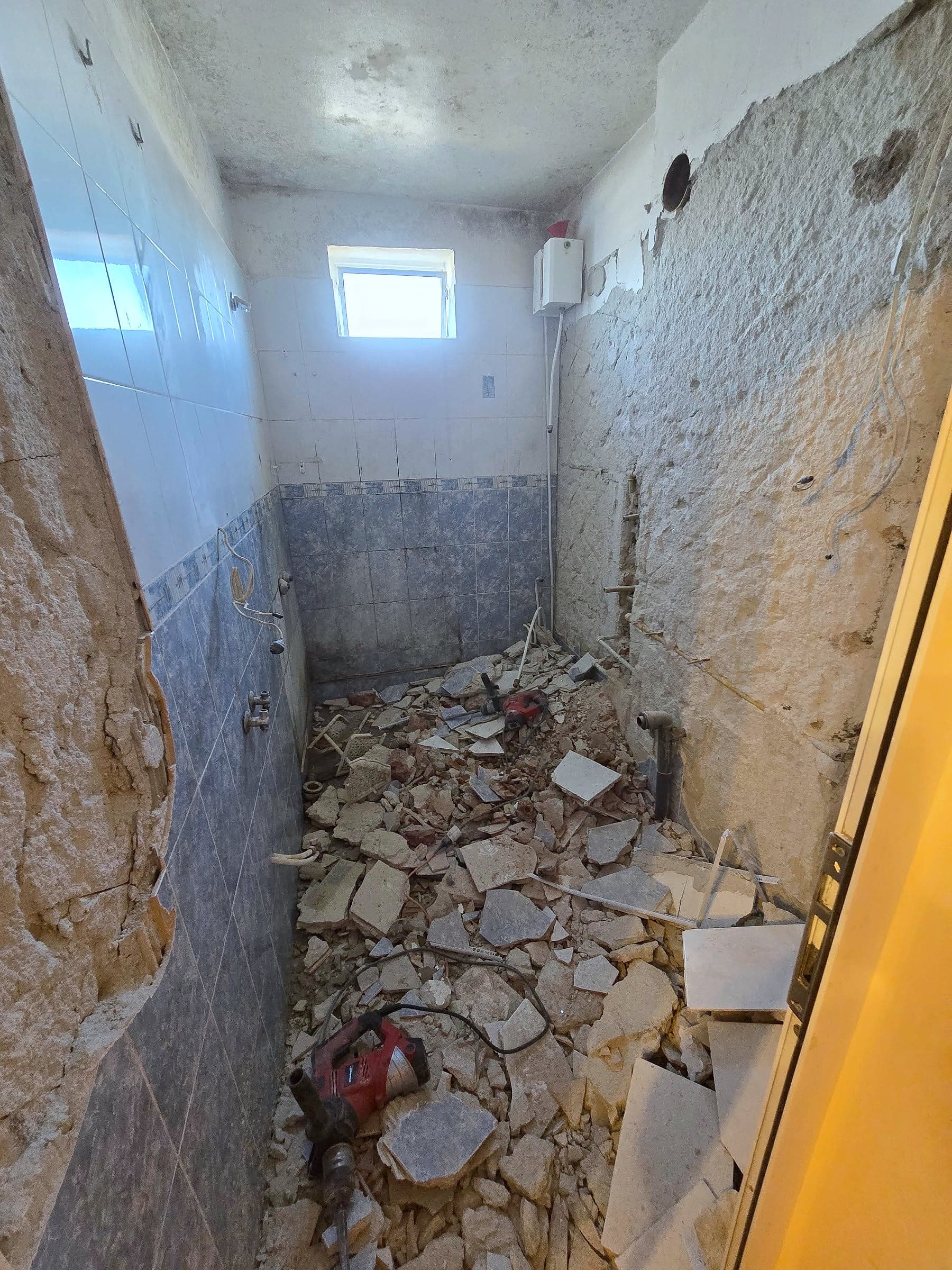
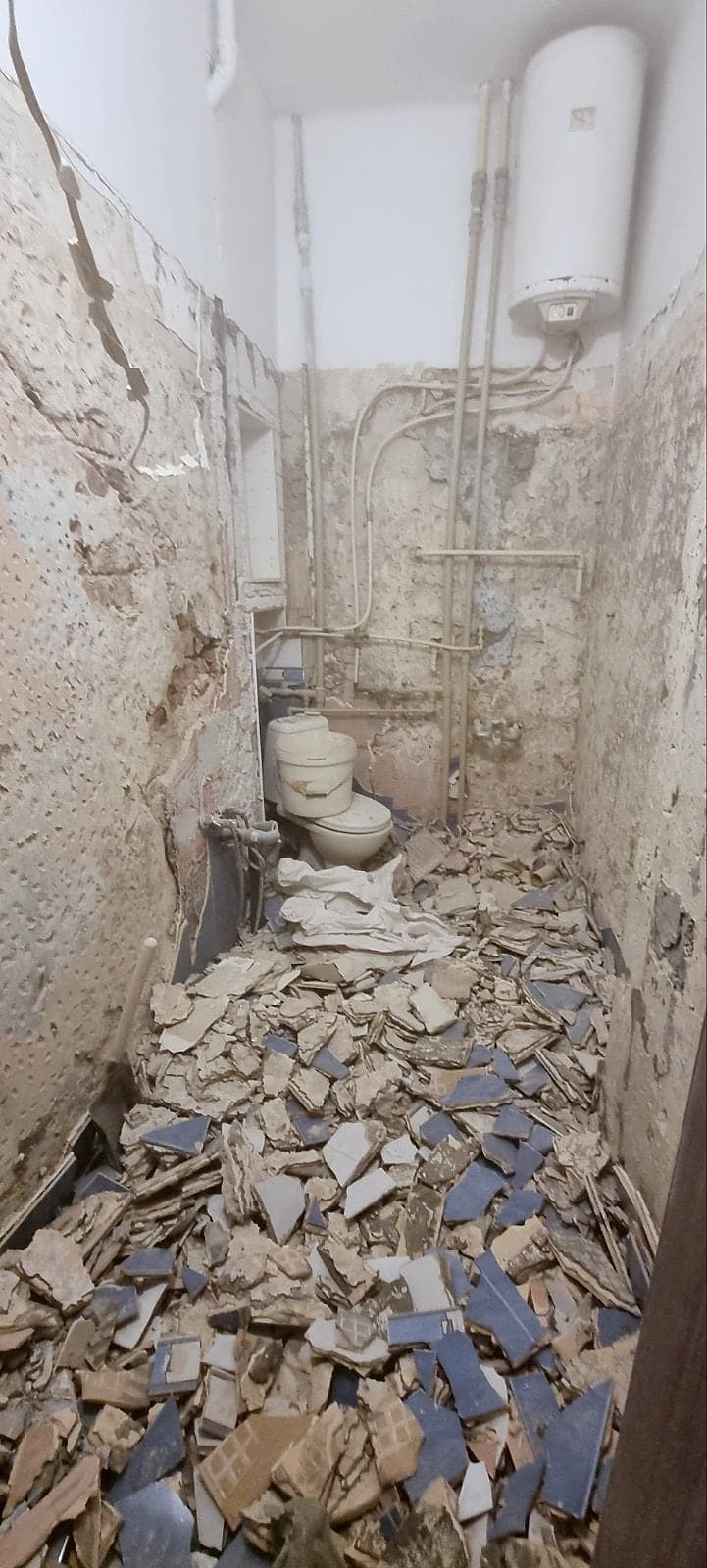
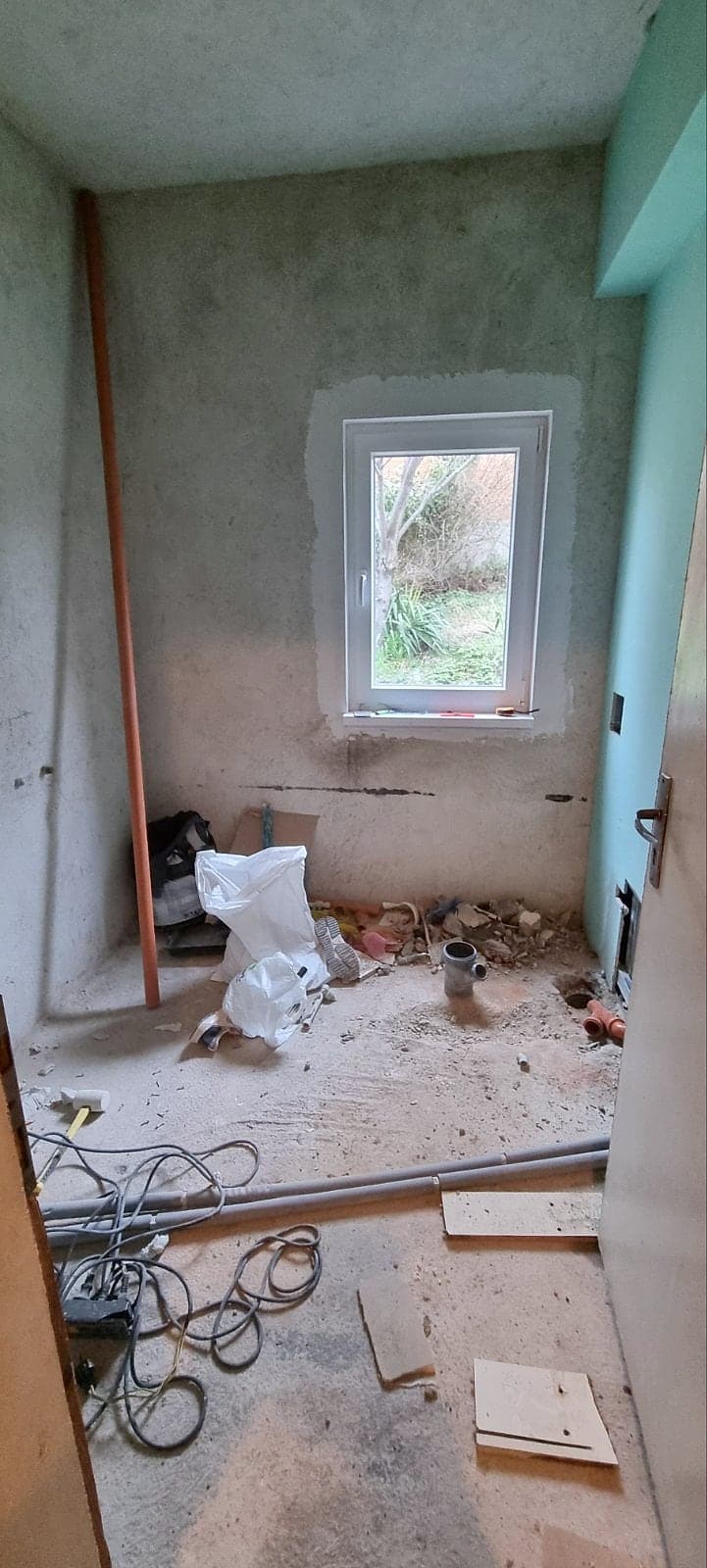
The photos below show how much waste a single bathroom produces. Exactly what is stripped out in a bathroom and what the labour costs is set out in our article on demolition costs for bathrooms and walls.
How it works: from the sack to the landfill
- Site visit. We establish what will be demolished and how much waste it will produce, which floor the home is on, whether there is a lift and where the tipper lorry can stop.
- Arrangements. The day, the time and the place for loading are agreed in advance, and the building manager and the neighbours are told the dates – there are ready-made texts in the article on the renovation notice to neighbours.
- Protection. The rooms not being worked on are sealed off with plastic sheeting, and the route to the entrance, the stairs and the lift are protected while the sacks are carried out.
- Sacks and carrying out. The rubble goes into sacks as the work goes on and is carried out every day – it does not pile up in the home or stay in the entrance hall.
- Removal. The tipper lorry is loaded at the agreed spot and takes the waste to landfill.
- Cleaning. Finally, the site is cleaned and handed over ready for the next stage.
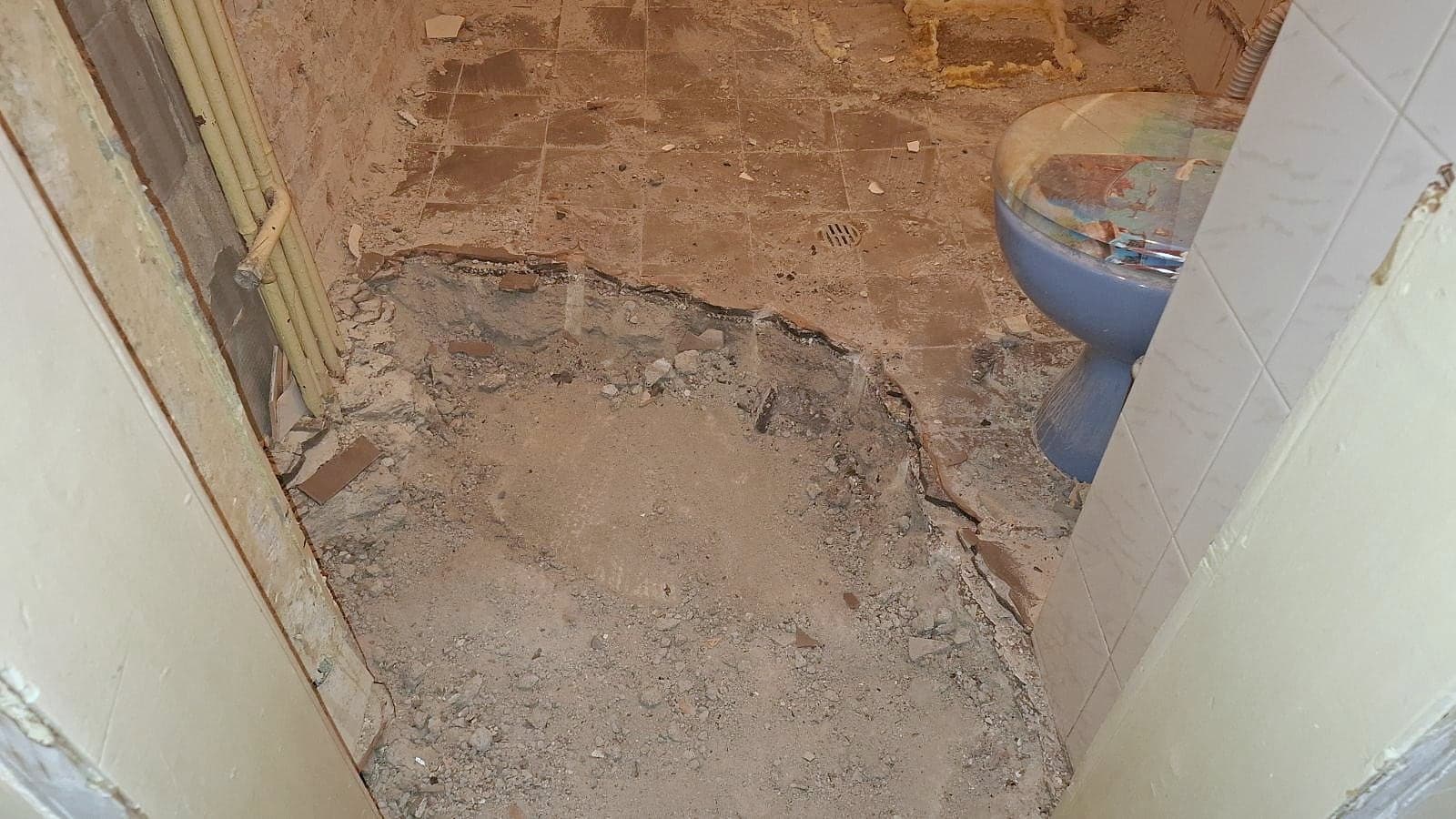
In a bathroom, the waste is mostly the tiles with their mortar, plus the screed if that is coming out too. Old ceramic sanitaryware is also inert waste, while a metal bathtub counts as metal.
What to prepare on your side
- Think about where a tipper lorry can stop in front of the entrance or, for a house, whether it can get into the yard. A narrow street, a no-stopping zone or a long distance to the entrance make loading take longer, so mention them at the site visit.
- If there is waste from old renovations in the basement or the loft, show it at the site visit – that way it is included in the volume estimate.
- Old furniture and electrical appliances are not construction waste, and the municipality has a separate procedure for them. Set them aside before the demolition starts.
Timber, metal, fireplaces: what is priced separately
The tipper lorry to the landfill is for inert waste – tiles, plaster, screed, bricks, concrete. Clean inert waste is easier to hand over than mixed waste, so timber and metal do not go into the sacks with the tiles and plaster.
In the price list, timber and metal have their own items, and for a fireplace and for wooden shutters, the removal and the haulage are covered by a single price.
| Waste | Examples | Item and labour price |
|---|---|---|
| Timber | old doors and frames, floorboards, wood panelling, battens and boards from the roof | ‘Removal of timber’ – €120.00 each |
| Metal | radiators, old pipes, a metal bathtub | ‘Separating metal items for scrap’ – €120.00 each; ‘Removal of scrap metal’ – €80.00 each |
| Fireplace | an old fireplace that is being removed completely | ‘Breaking out and removing a fireplace’ – €300.00 each |
| Wooden shutters | the old window shutters | ‘Taking down and removing wooden window shutters’ – €161.06 each |
| Asbestos cement, paints, solvents, household rubbish | asbestos cement pipes and sheets, tins with leftover paint | not mixed with construction waste – arranged at the site visit |
Asbestos cement (Eternit) – pipes and sheets – is not broken up or carried out like ordinary waste. If there is any on site, mention it at the site visit: removing it requires special precautions and is arranged separately.
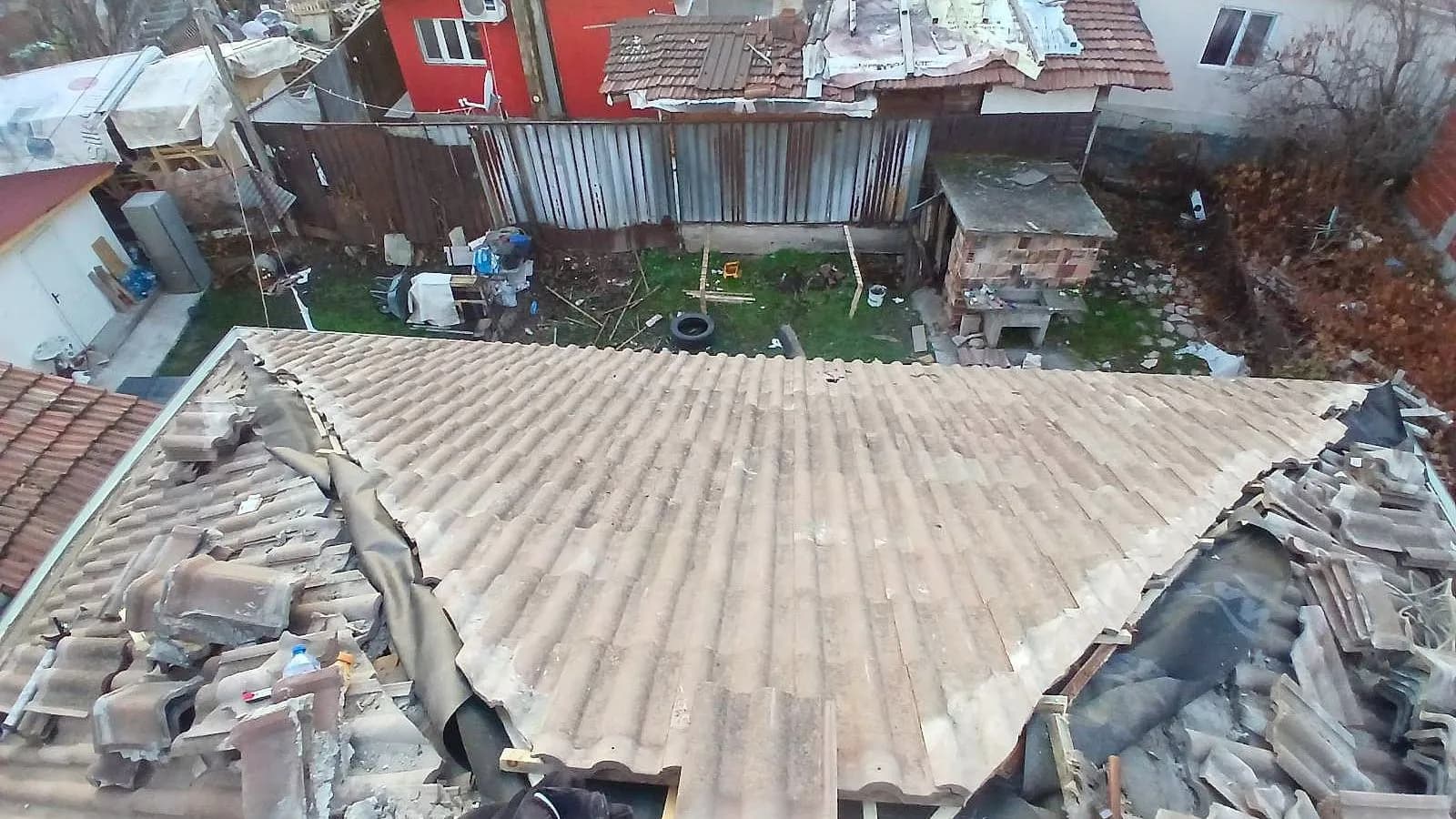
With a house, the waste can be different. When a roof is replaced, the old tiles go into the tipper lorry, while the timber from the battens and boards, if they are being replaced too, is priced separately.
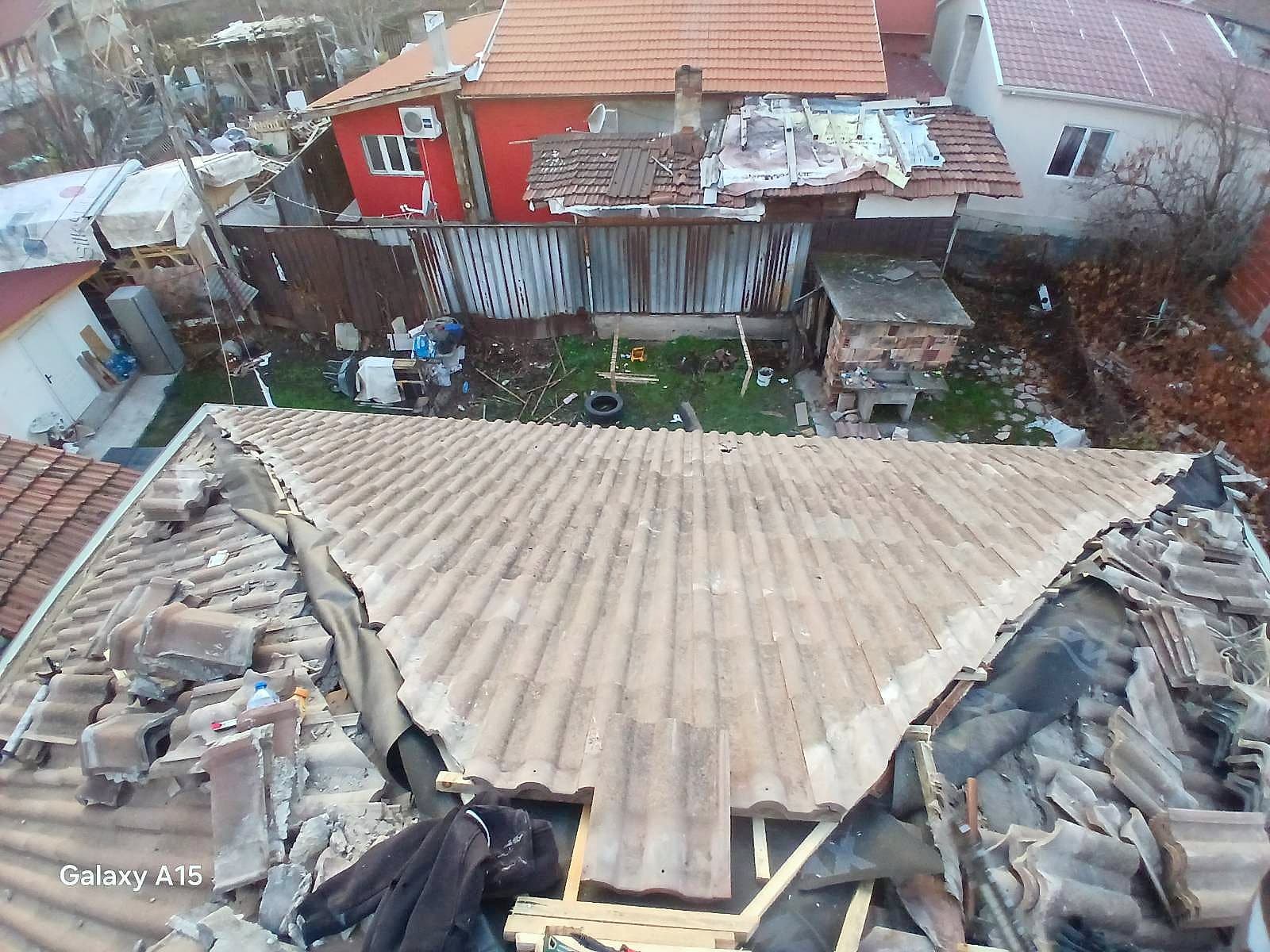
The photo is from the house in Obelya, where the old tiles were replaced with new ones.
Why sacks are not left by the bins
The bins outside an apartment block are for household waste. Construction waste is a different kind of waste, and the municipality has separate rules for it – where it is accepted and how it is transported. Sacks next to the bins or on the pavement get in the way of the neighbours and the refuse collection, and they easily lead to complaints.
That is why the waste from our sites is not left by the bins but taken to landfill. The rules that apply to the common areas and to noise during a renovation in an apartment block are described in our article on renovation rules in an apartment building with an owners’ association.
What to check in the quote
Whatever quotes you are comparing, waste removal should be described in them, not just mentioned. Check whether the quote states:
- how many trips are planned and what one trip costs;
- who fills the sacks and who carries them to the tipper lorry – especially from an upper floor with no lift;
- who protects and cleans the stairs and the loading area;
- that the waste goes to landfill, not next to the bins;
- what happens if there turns out to be more waste than planned.
If any of these is missing, ask before you sign. It is much easier to agree on this before there are sacks in the entrance hall.
Frequently asked questions
Is waste removal included in the quote?
Yes, as a separate item: the written quote states how many trips are planned and what they cost. That way you know the price of the waste removal before the renovation has started.
Can we get rid of the waste ourselves?
You can, if you take it to a site that accepts construction waste; check with the municipality where that is. The household waste bins are not for it. If you did the demolition yourself or with another crew, waste removal can also be ordered on its own – see construction waste removal.
Who cleans the entrance hall?
We look after the common areas: the stairs and the lift are protected while the waste is carried out, and the sacks do not stay in the entrance hall, because they are taken out every day. If the building has its own rules for cleaning the common areas, we take them into account as early as the site visit.
Is all the waste taken away in one go?
Not always. Most of the waste comes out during the demolition, and a smaller amount later, from the finishing work. That is why on a larger renovation the waste can be removed in stages; how many trips and when is written into the quote.
How much does waste removal cost for a bathroom renovation?
In our worked example for a 4 m² bathroom, waste removal is one trip – €110.00 for labour. The full calculation, line by line, is in the article bathroom renovation: labour costs task by task. If a thick screed or a terrazzo floor is coming out too, there is more waste – how much becomes clear at the site visit.
If you are planning a renovation, send a few photos of the rooms through our estimate from photos and you will receive an indicative estimate. At the free site visit we will also assess the volume of waste, and in the written quote the waste removal will be on a separate line, with the number of trips and the price.
More articles
All articles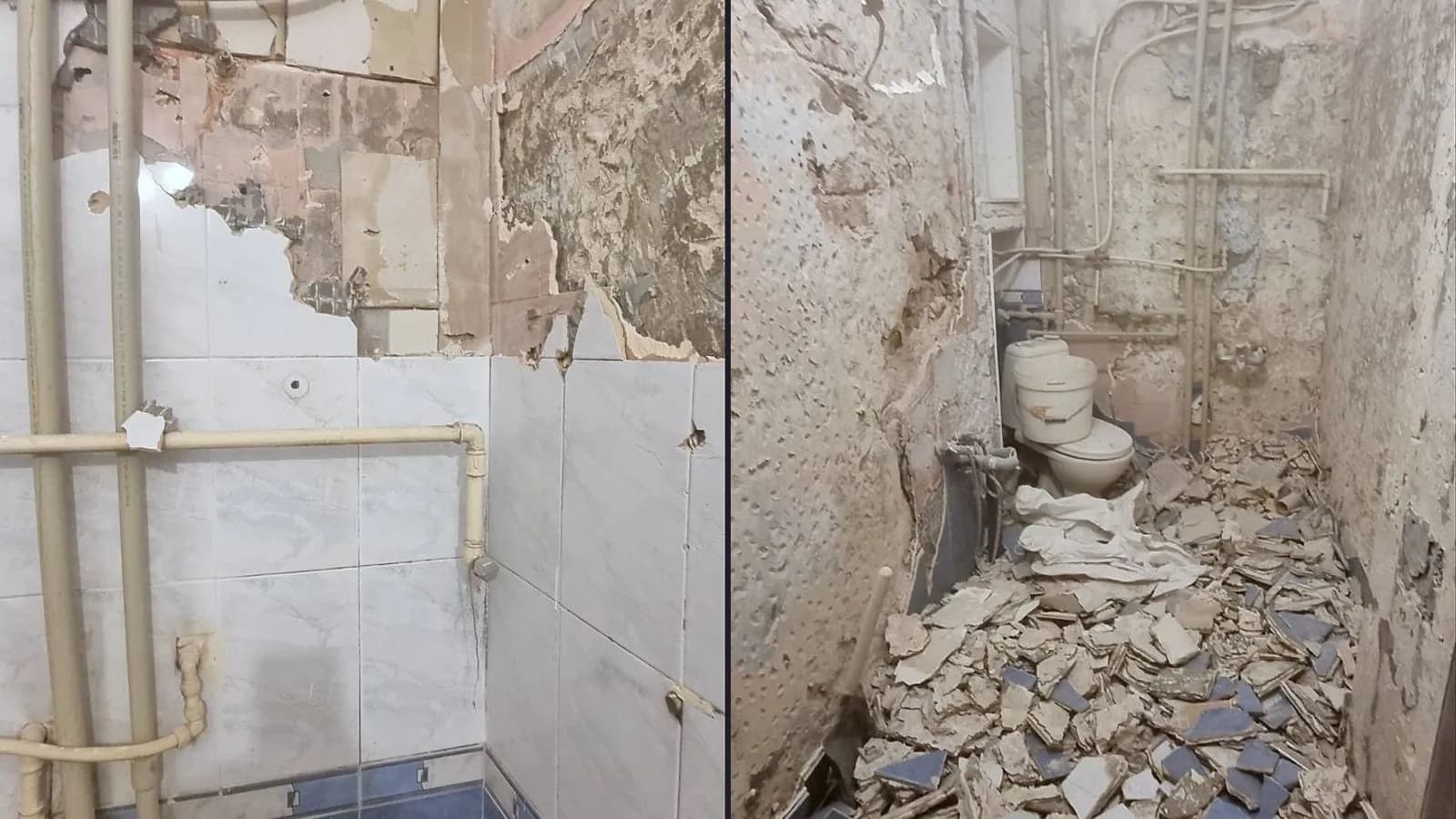 Process
10 min read
Bathroom and wall demolition: cost per m² and how it works
Price-list rates for breaking out tiles, plaster, screed and walls, a 4 m² bathroom example and the order of work – from water shut-off to waste removal.
Read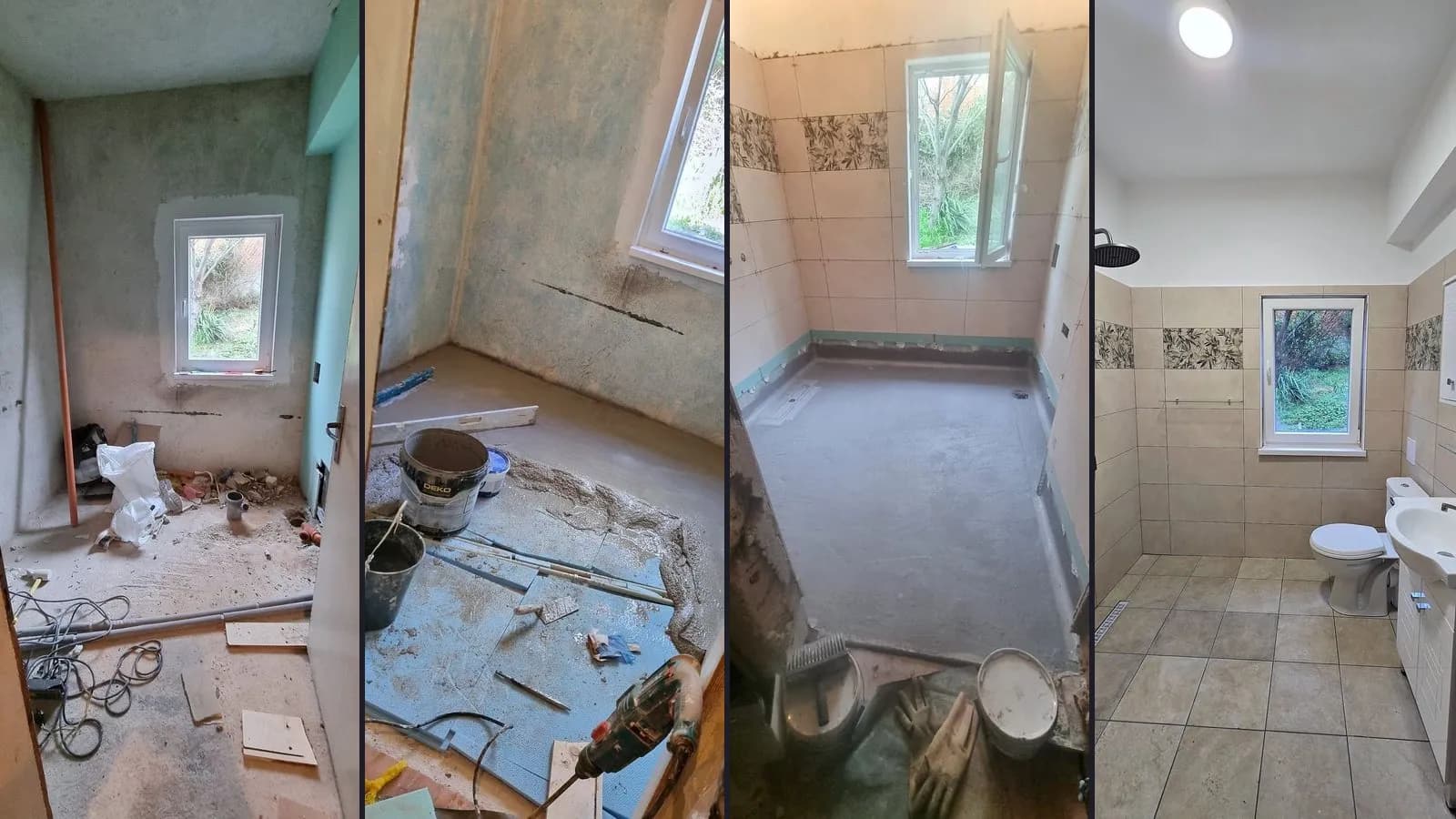 Process
11 min read
How long does a bathroom renovation take? A stage-by-stage timeline
A typical 3–5 m² bathroom takes 10–15 working days to renovate. The schedule stage by stage, the drying times you cannot skip and what causes delays.
Read Process
4 min read
Major apartment renovation in Sofia: stages and timelines
The stages of a major apartment renovation in Sofia in order – from strip-out to handover – and what really determines the timeline. Plus why the exact schedule comes after a site visit.
Read