Renovation rules in Sofia apartment buildings
Working hours, noise, common areas and neighbours – the rules that apply when you renovate in a Sofia apartment building with an owners’ association, and how to avoid disputes and having your work stopped.
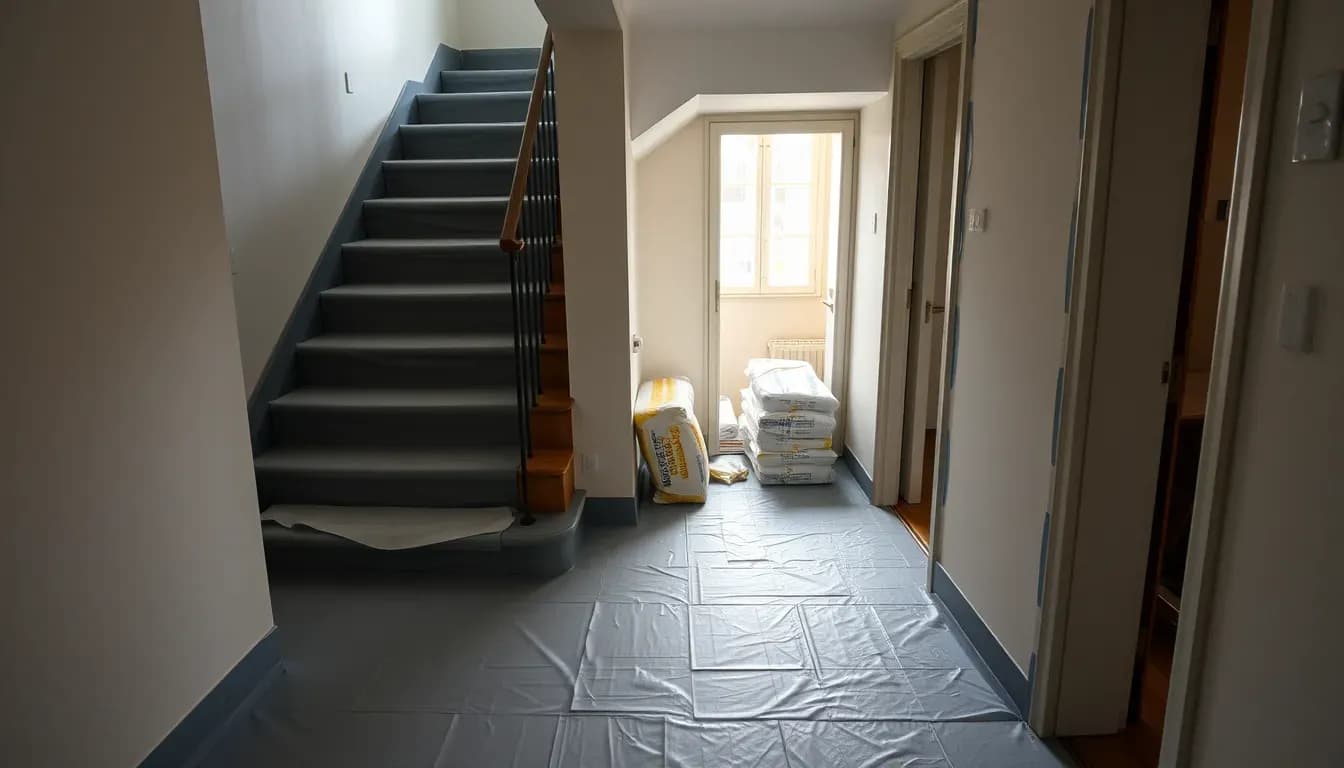
When you renovate an apartment in a Sofia building with an owners’ association, it is not just about your own walls. There are rules that protect the neighbours and the common areas – and if you know them in advance, you spare yourself disputes, complaints, fines and even having the work stopped. Here are the main rules, and how to organise your renovation without friction with the rest of the building.
Where the rules come from
There are three layers. First, national legislation: the Condominium Management Act governs the common areas and the decisions of the owners’ general meeting, while the noise protection law restricts noisy activities. Second, Sofia Municipality’s public order ordinance, which sets the quiet hours. Third, the house rules and general meeting decisions of the specific building, which may add restrictions of their own. Check all three for your address.
Quiet hours and working hours
Noisy work – demolition, drilling, angle grinding – is usually restricted during rest hours (midday and night-time), and often on Sundays and public holidays as well. The exact hours are set out in the municipal ordinance and in the building’s house rules, so check them in advance for your specific address. Scheduling the noisy stages within the permitted windows is part of organising the renovation.
Common areas and access
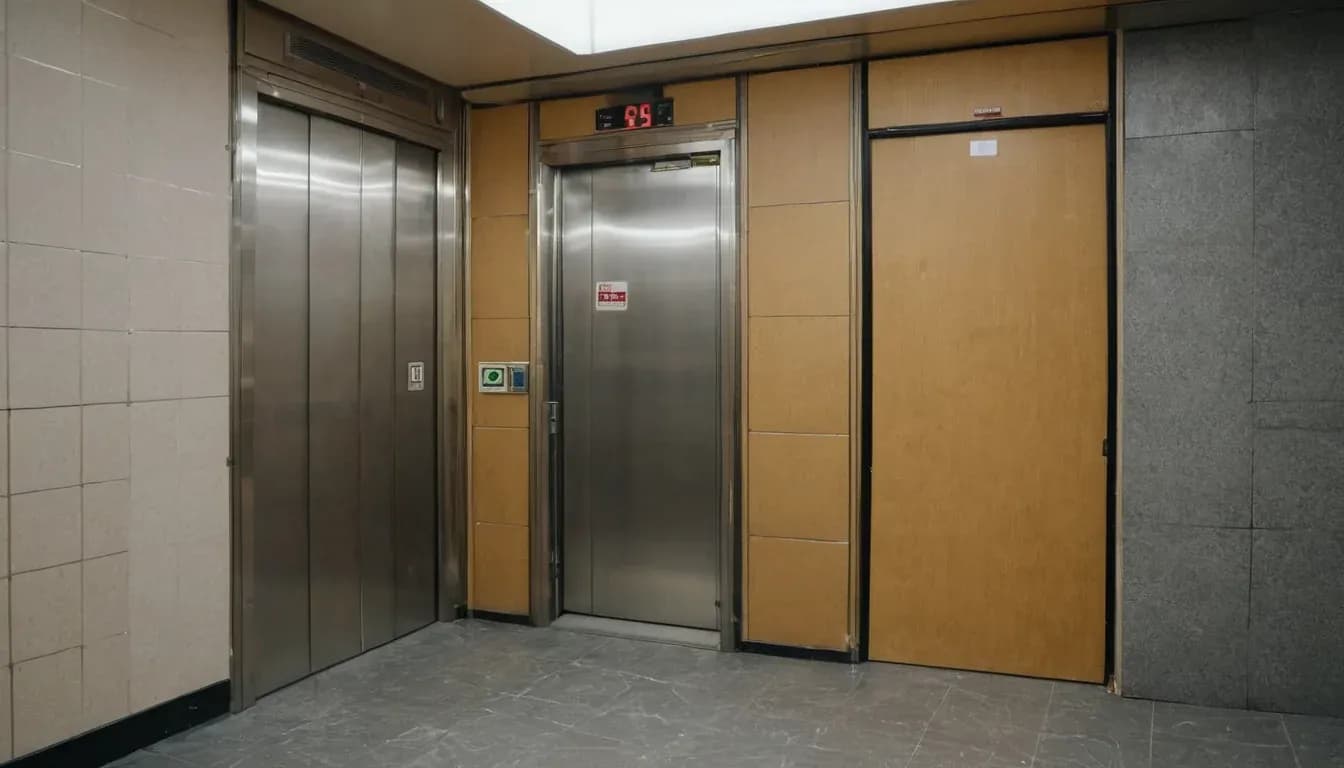
The staircase, the lift, the entrance lobby and the courtyard are common areas. Carrying building materials and waste through them, using the lift for heavy loads and temporarily taking up space in front of the entrance all affect every neighbour. Good practice is to protect the common areas, clean them every day and organise waste removal properly rather than haphazardly.
Changes that affect the structure or the common areas
Removing walls, working on the vertical risers, altering balconies or the facade, creating new openings – this kind of work may require approvals, and for load-bearing elements and the facade, a design project and a permit. Not everything in your apartment is ‘yours alone’. If in doubt, get advice before you start, rather than putting things right afterwards.
Letting the neighbours and the building manager know
Even where it is not mandatory, giving advance notice of the renovation period and the noisy stages reduces tension and complaints. A short notice in the entrance with the dates and a contact phone number is often enough to keep things calm.
What happens if the rules are broken
A complaint to the municipality or the police about noise outside the permitted hours, work being stopped, fines – and soured relations with the neighbours that last long after the renovation is over. Following the rules from the very start almost always works out cheaper and calmer.
How we organise the renovation
At the site visit we take the specific building into account – working hours, access, the lift and the common areas – and schedule the noisy stages within the permitted windows. The aim is a renovation that runs to schedule, without disputes with the neighbours and without the risk of the work being stopped.
Planning a renovation in a Sofia apartment building? Book a free site visit – we will fit the schedule around your building’s rules and give you a clear next step on scope and organisation.
More articles
All articles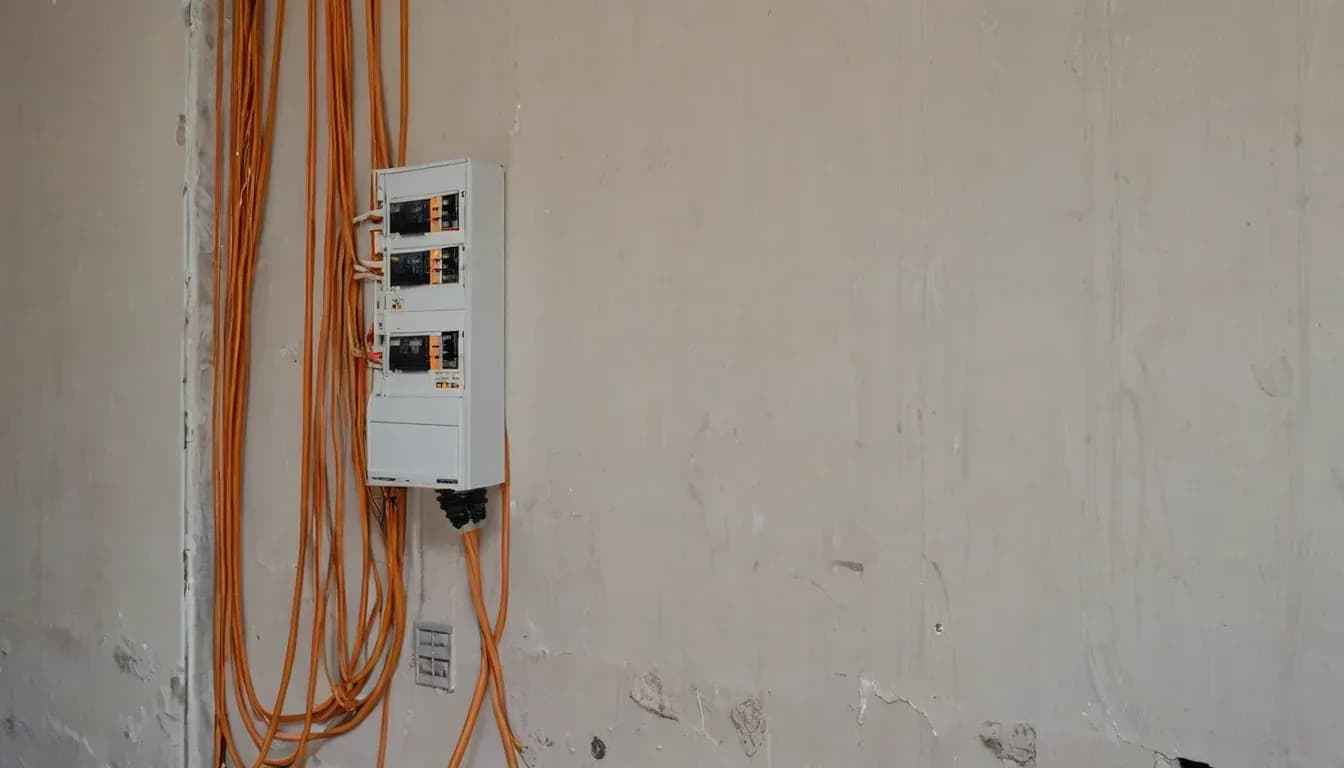 Plumbing & electrics
4 min read
Rewiring an old apartment: when it’s time and how it’s done
Aluminium wiring, old fuses and sockets that heat up – when old electrical wiring becomes a risk, what replacing it involves, and why it is done before skim coating, not after.
Read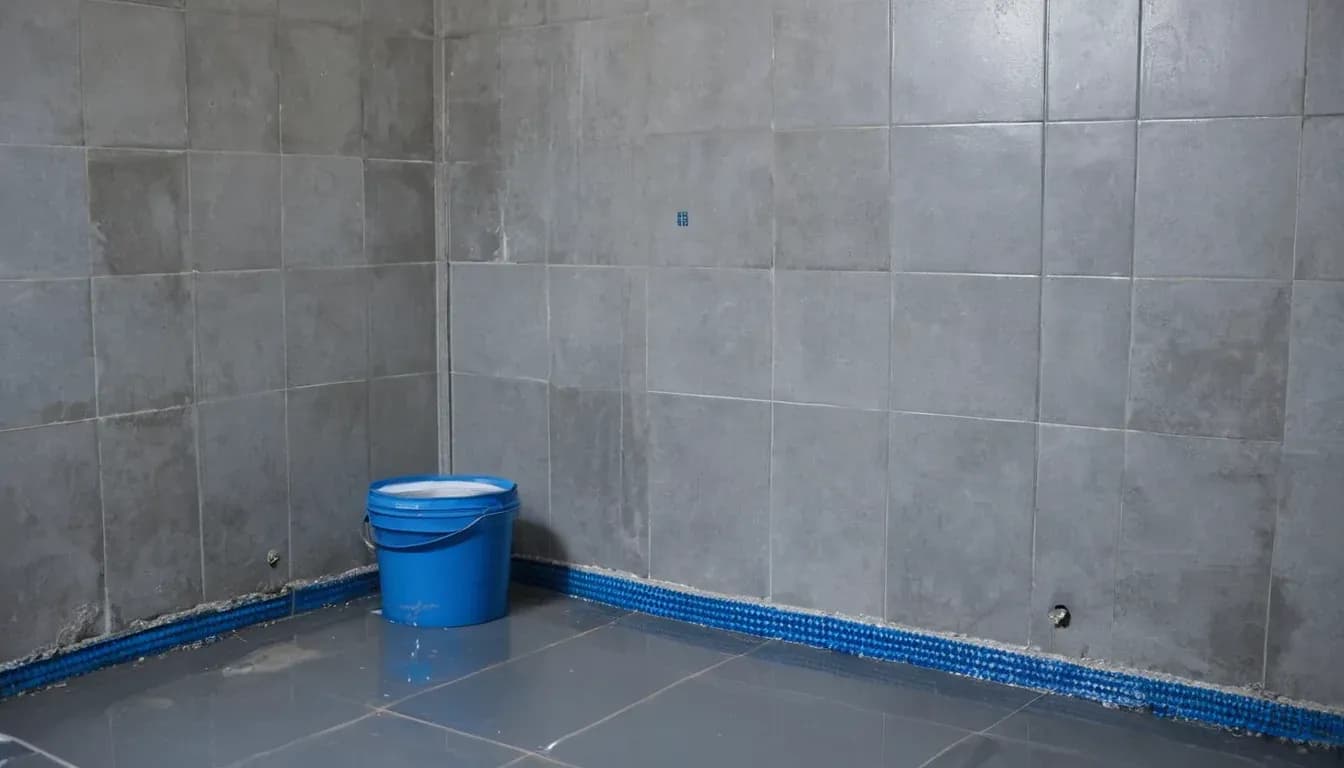 Bathroom
3 min read
Bathroom waterproofing: the invisible layer that protects you and your neighbours
Exactly where waterproofing goes in a bathroom, which details make all the difference, and how it is tested before the tiles go on.
Read Plumbing & electrics
3 min read
Replacing the risers in an apartment block: how it’s organised and what to expect
Risers are a common part of the building, and replacing them affects every neighbour along the same vertical line of apartments. When it’s needed, how it’s agreed and how it goes without unnecessary stress.
Read