Why renovation deadlines slip – and how to protect your schedule
Almost every renovation overruns its original deadline. We look at the real reasons, and at what YOU can do to minimise the risk.
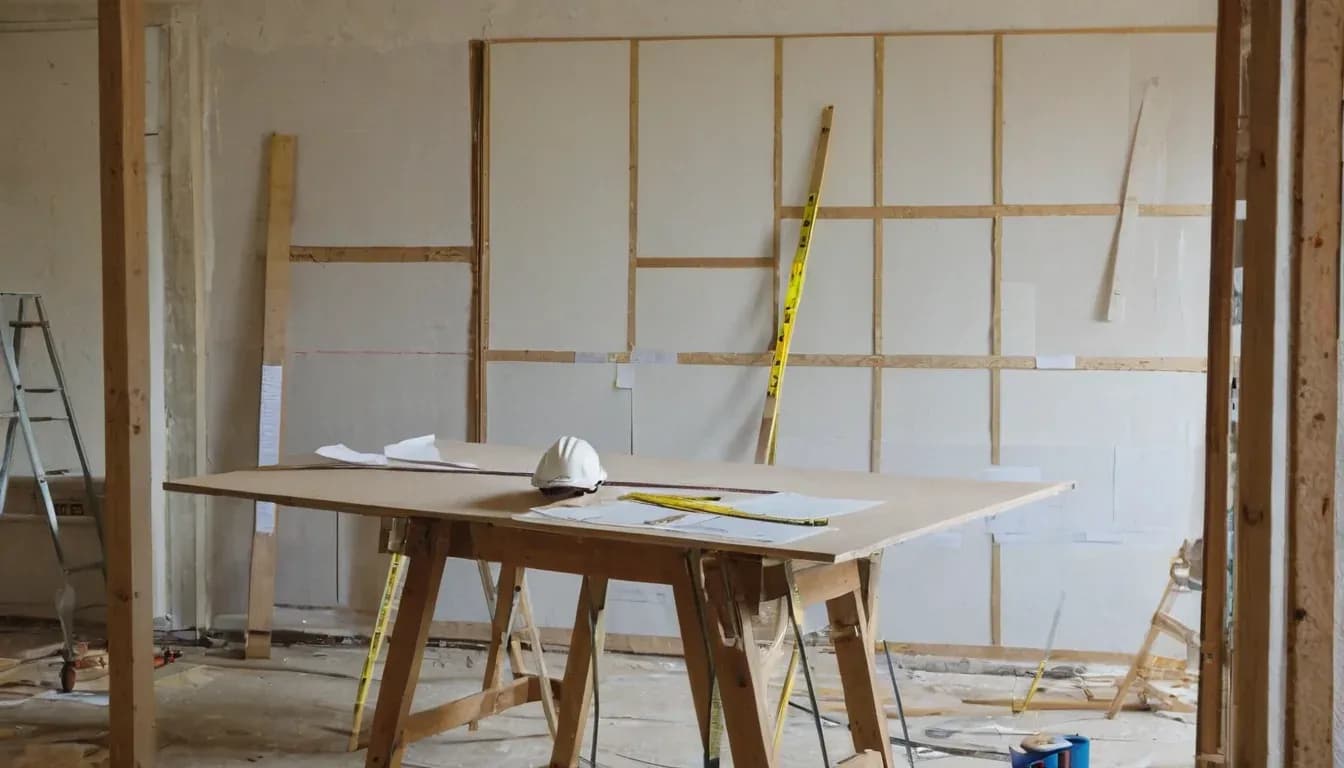
‘It’ll be ready within a month.’ Six weeks later, you are living in an apartment that is ‘80% done’. Why is this an almost universal experience – and how can you avoid it on your next project?
The first reason is that timelines are optimistic by default. When a contractor tells you ‘4 weeks’, they usually mean ‘4 weeks of clean work with no problems’. A real 4 weeks includes deliveries that arrive 3 days late, public holidays, a tradesman off sick for 4 days and a small rethink of the layout because the client has changed their mind. The realistic timeline is always 4 + a buffer.
The second reason is hidden dependencies. The tiles can’t go on until the plumbing is finished. The plumbing can’t be finished until the taps arrive – and they take 10 days from ordering. The taps haven’t been ordered because the client still hasn’t chosen them. This chain of dependencies means that one decision put off by 3 days can delay completion by 2 weeks. The fix: all the key decisions on fixtures, fittings and windows are made BEFORE the project starts, not during it.
The third reason is sequencing. Good teams know that drywall needs 24 hours to dry before skim coating, skim coating 48 hours before painting, and tiles 24 hours before grouting. When a contractor rushes under pressure from the client, these stages get ‘squeezed’, and the result is work whose flaws show up 6 months later – cracks, mould, botched paintwork. Bad contractors cut corners; good ones say ‘no, one more day’.
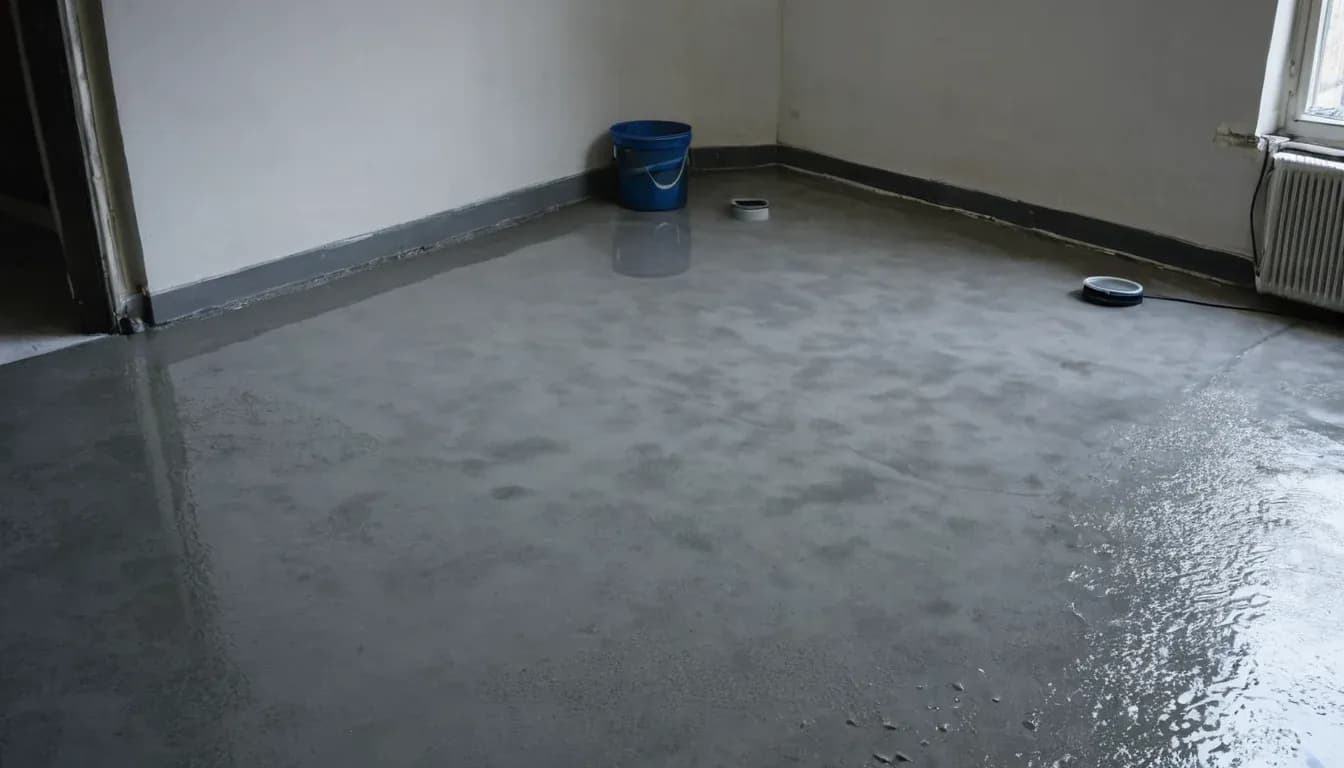
The fourth reason – and this is where you play the biggest part – is changes in the middle of the project. ‘Could we put a niche here?’, ‘I’m switching to different tiles’, ‘I’ve decided to add a bathroom in this room’. Every such change means reworking the schedule, new materials, new tradespeople. Even a small change can add 5–7 days. So make your decisions before the start. Once the project is under way, change things ONLY if it is critical.
What you can do in practice
First, ask the contractor for a week-by-week schedule of the work BEFORE it starts – not just a completion date. You will see whether the logic is real or simply ‘4 weeks’.
Second, choose all the key materials (tiles, sanitaryware, windows, electrical fittings) and pay the deposit for them BEFORE the start. Deliveries should be on site or in the contractor’s warehouse on day 1.
Third, agree on short weekly check-ins (15 minutes) with the contractor – on progress, problems and upcoming decisions. Better 4 short conversations than one surprise on day 28.
Fourth, leave a 2-week buffer in your own plans. If you need to move in on day 30, agree a 28-day deadline and don’t make plans before day 35. That is the difference between a satisfied client and a stressed one.
Deadlines don’t simply ‘slip’ – they are badly built or poorly protected. When you are prepared, the project finishes close to plan. When you are not, every day is a surprise.
More articles
All articles Process
4 min read
Major apartment renovation in Sofia: stages and timelines
The stages of a major apartment renovation in Sofia in order – from strip-out to handover – and what really determines the timeline. Plus why the exact schedule comes after a site visit.
Read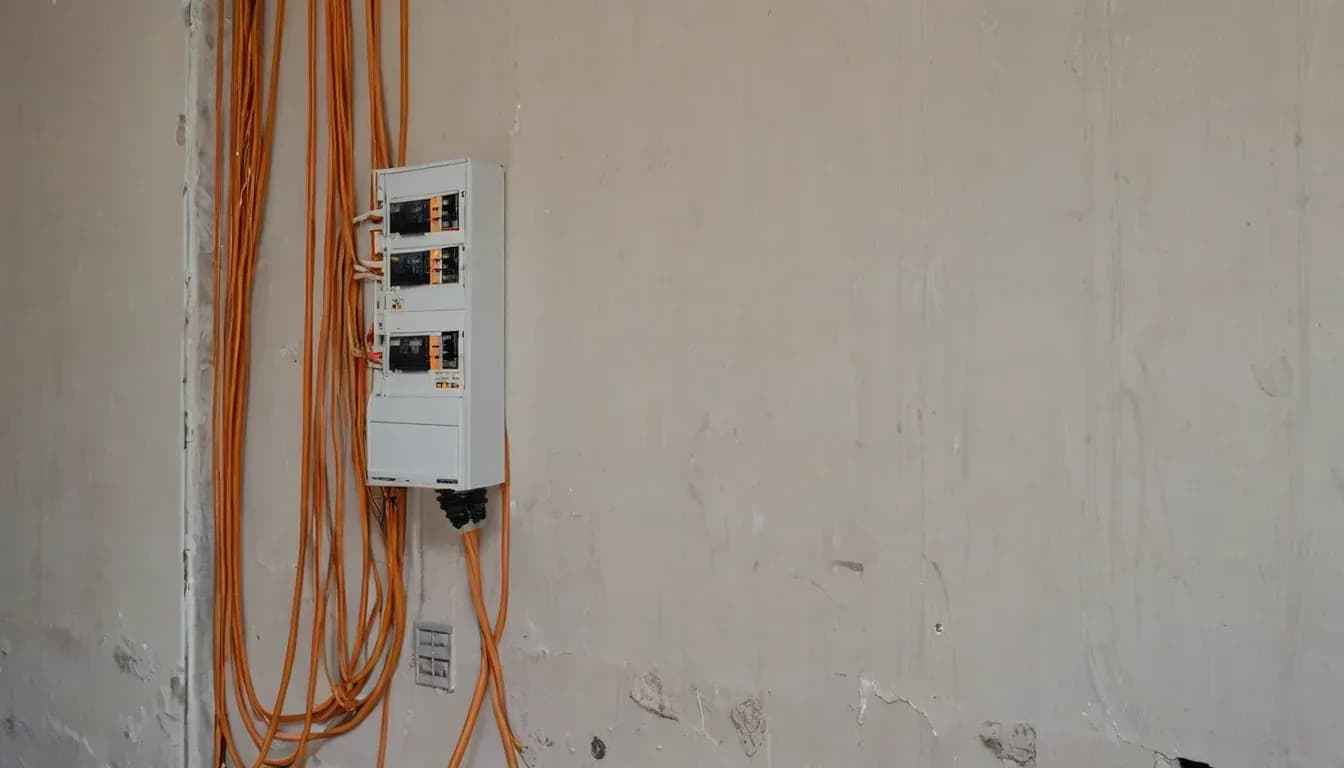 Plumbing & electrics
4 min read
Rewiring an old apartment: when it’s time and how it’s done
Aluminium wiring, old fuses and sockets that heat up – when old electrical wiring becomes a risk, what replacing it involves, and why it is done before skim coating, not after.
Read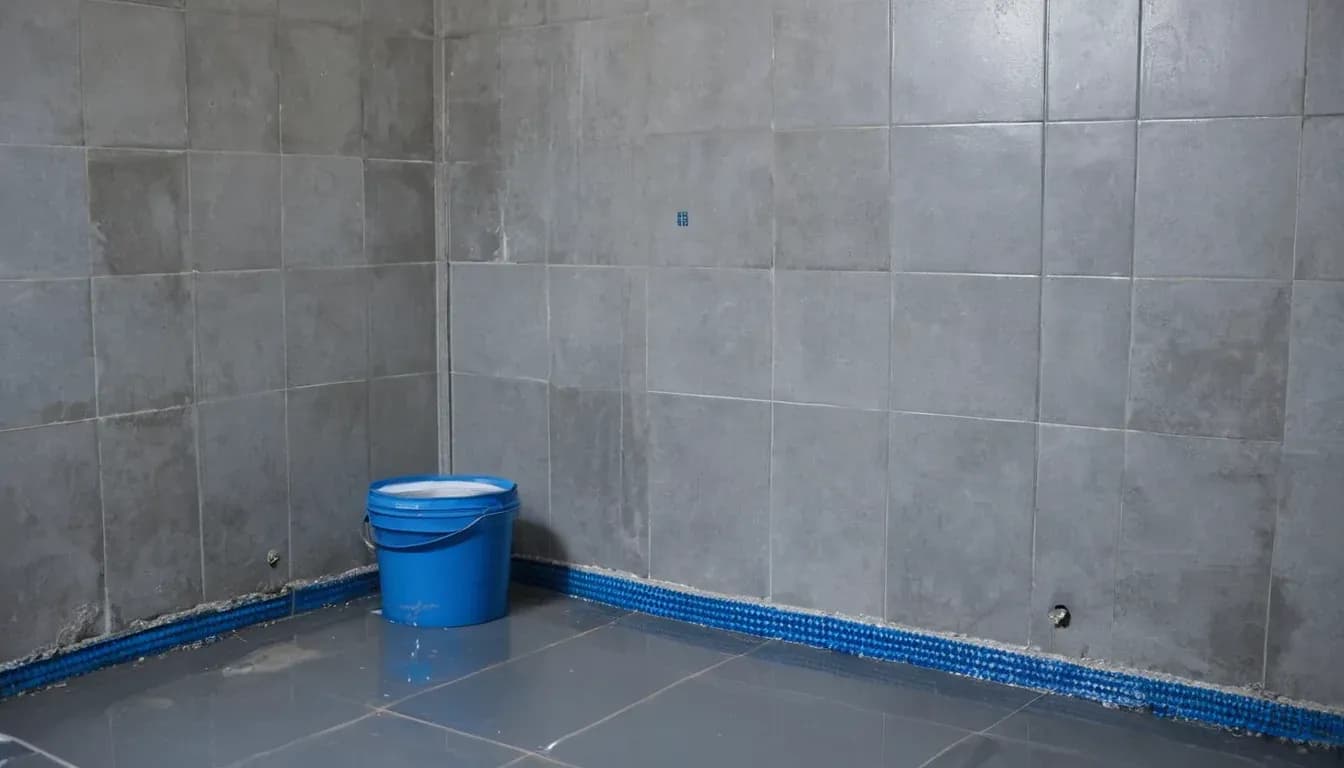 Bathroom
3 min read
Bathroom waterproofing: the invisible layer that protects you and your neighbours
Exactly where waterproofing goes in a bathroom, which details make all the difference, and how it is tested before the tiles go on.
Read