Why a written quote matters more than a low price
The cheapest quote almost never stays the cheapest. What a professional written quote should contain, and why it protects you better than verbal agreements.

When you receive three quotes for the same renovation and one is significantly lower than the other two, there are two possible explanations for the difference. Either you have found someone who works below the market rate (rare). Or you have found someone who has left out things the others included (common). Without a written document showing exactly what has been costed, you have no way of knowing which explanation is true.
A professional written quote contains at least the following: a list of work broken down by stage; quantities and unit prices for each item; a clear split between labour and materials; a completion timeline; payment terms; and what is NOT included. The last point is often neglected, yet it is the most important – it tells you where you will face additional costs.
Without such a document, the work runs on ‘verbal agreements’. You start with ‘around €20,000’, and towards the end of the project you hear: ‘Yes, but we didn’t count the tiles for the hallway, and the pipes were going to be extra, and that window needs replacing.’ The final bill is €28,000, and it all seems logical – except that by now you are locked into the project and have no real choice.
A written quote protects you in three ways. First, it forces the contractor to think about the scope BEFORE starting, not afterwards. Second, it creates a shared reference point – if ‘extra work’ turns up two weeks in, both sides can go back to the document and discuss whether it really is extra or was included all along. Third, if things come to a dispute (rare, but it happens), the written document is the basis for any further decision.
On the contractor’s side, a written quote shows something important: that the team is organised enough to structure the work. A tradesman who refuses to put a quote in writing or gives vague round figures usually does so either because they haven’t costed things precisely or because they don’t want to take responsibility for them. Both are bad signs.
A practical tip: when you receive a quote, read it carefully and ask about anything you don’t understand. If the quote says ‘finishing work – €3,500’ with no breakdown, ask for one. If the materials are shown as a lump sum with no line items, ask for the list. A contractor who can’t or won’t give you that clarity is not right for your project – however low the figure.
A low price with a vague quote almost always turns into a high price with disappointment. A clear price with a detailed quote is sometimes higher at the start – but almost always lower at the end.
More articles
All articles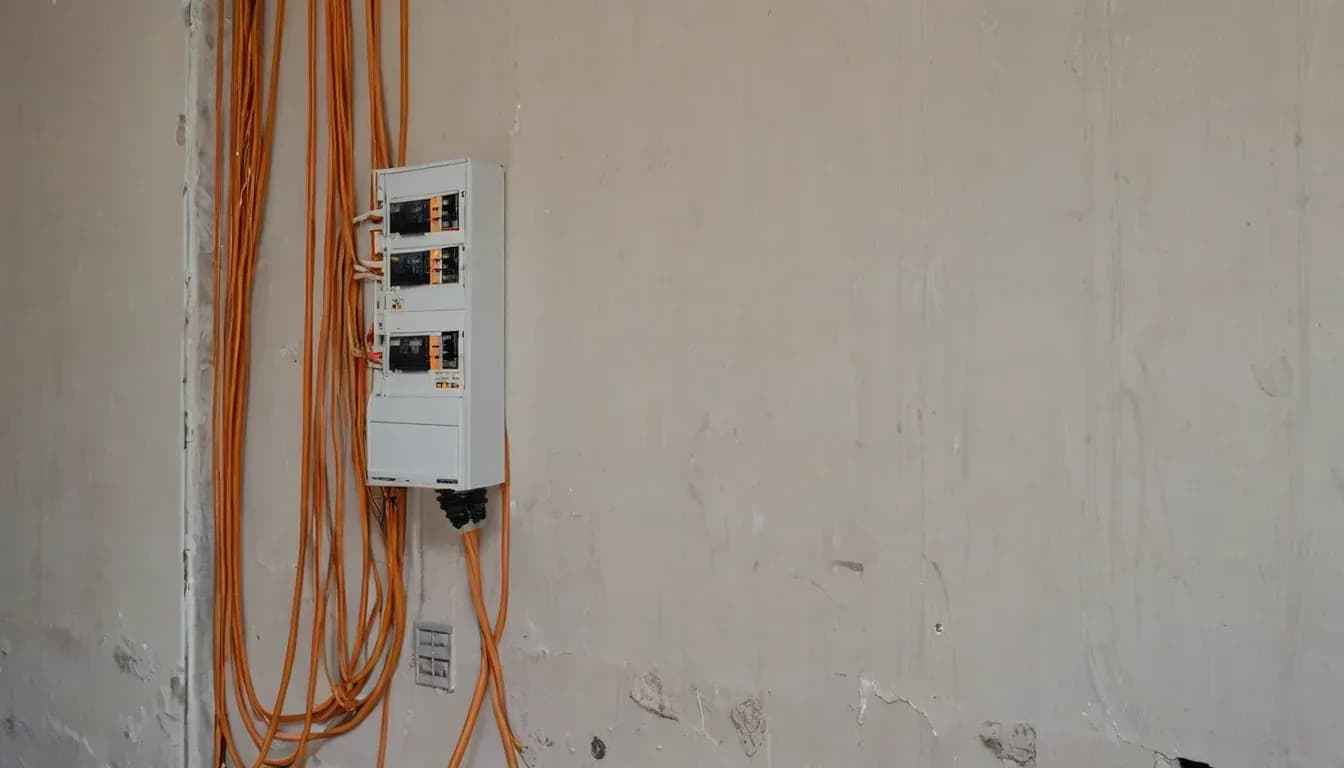 Plumbing & electrics
4 min read
Rewiring an old apartment: when it’s time and how it’s done
Aluminium wiring, old fuses and sockets that heat up – when old electrical wiring becomes a risk, what replacing it involves, and why it is done before skim coating, not after.
Read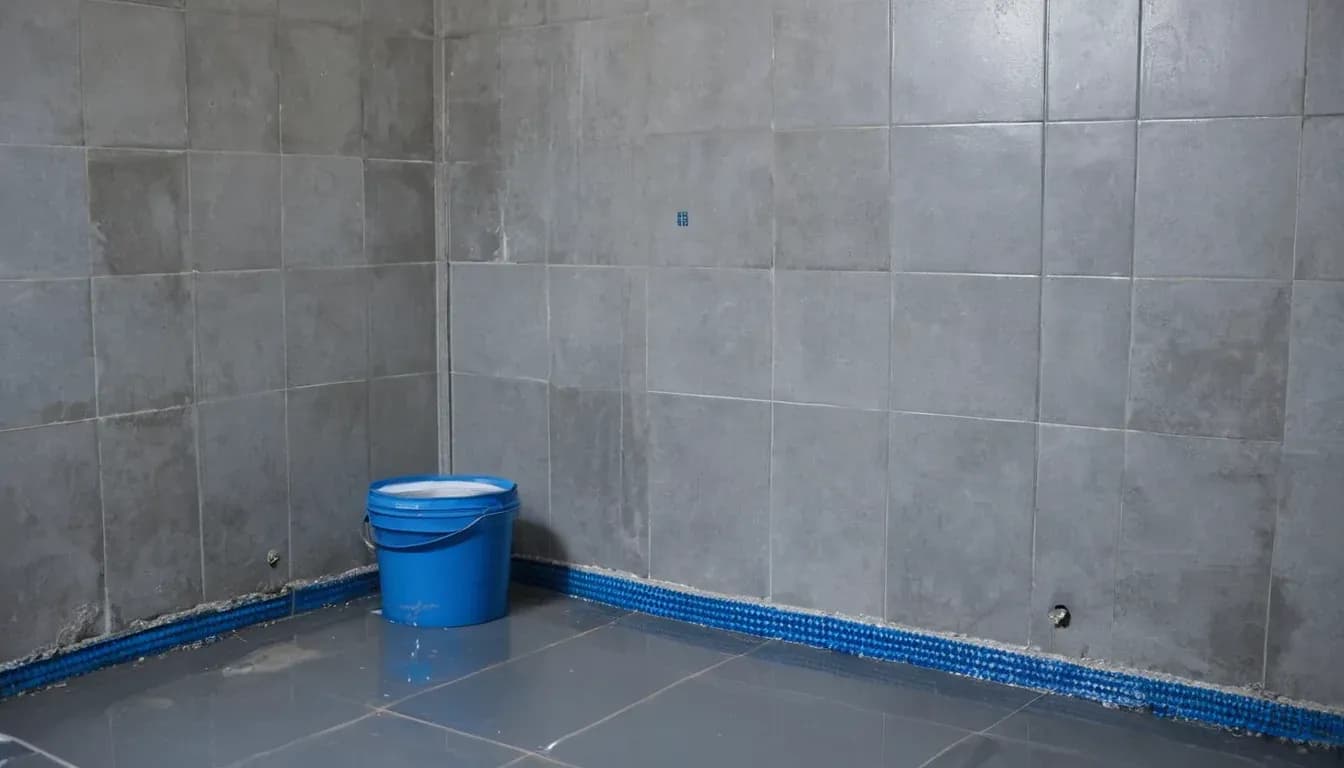 Bathroom
3 min read
Bathroom waterproofing: the invisible layer that protects you and your neighbours
Exactly where waterproofing goes in a bathroom, which details make all the difference, and how it is tested before the tiles go on.
Read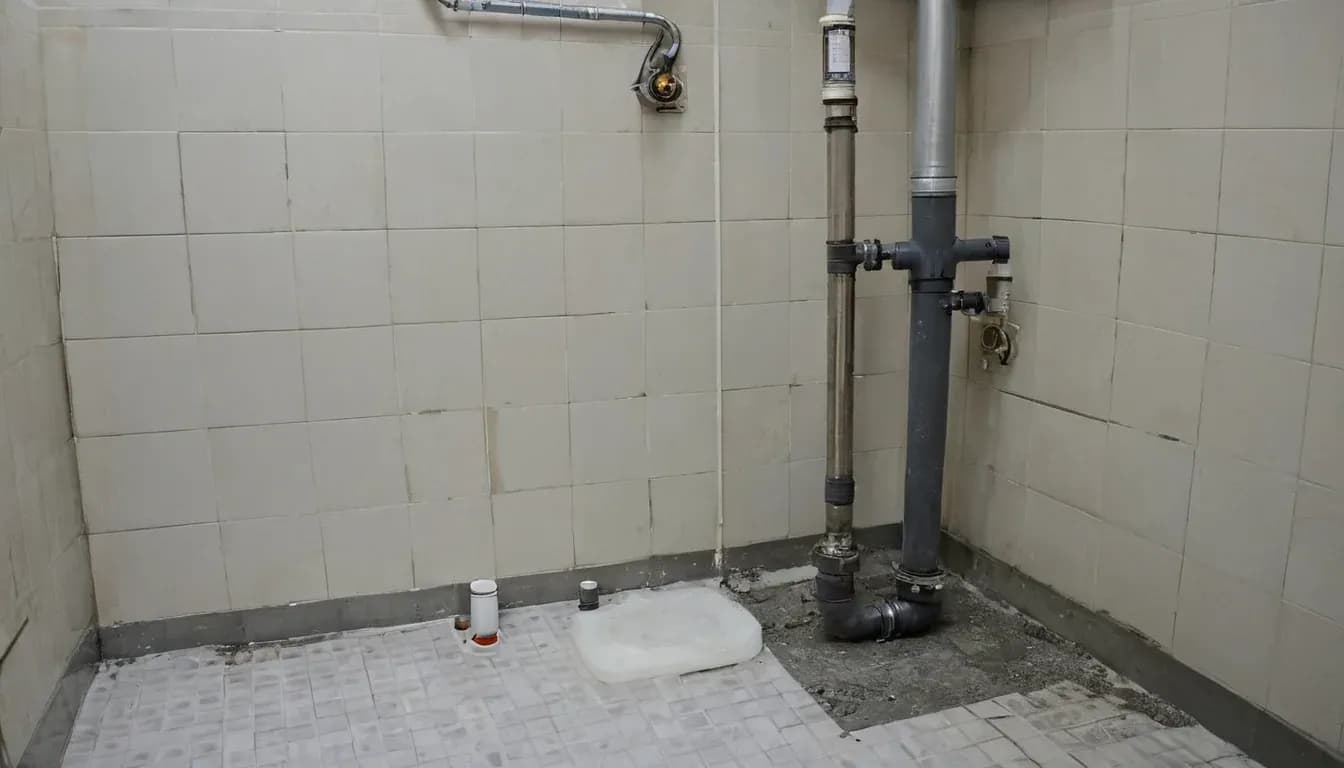 Plumbing & electrics
3 min read
Replacing the risers in an apartment block: how it’s organised and what to expect
Risers are a common part of the building, and replacing them affects every neighbour along the same vertical line of apartments. When it’s needed, how it’s agreed and how it goes without unnecessary stress.
Read