How to choose a renovation company
The difference between a ‘tradesman’ and a ‘company’ is not always clear to clients. A tradesman works alone or with a small crew; a company runs several teams at the same time, coordinates the different trades and takes responsibility for the end result. A company is usually 10–20% more expensive – but what do you actually get in return?
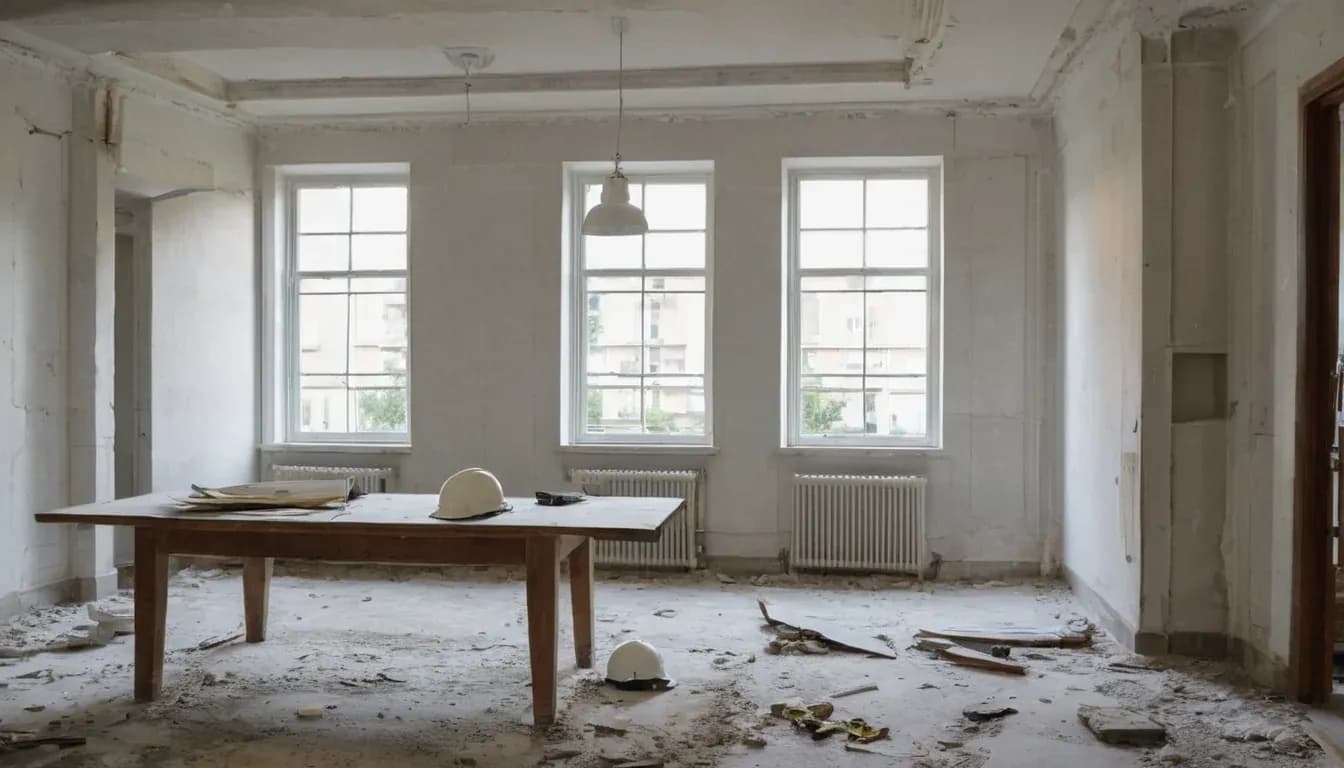
Coordination between trades. An average apartment renovation involves 6–8 different trades: demolition workers, plumbers, electricians, drywall installers, plasterers, tilers, parquet layers, painters and fitters. When you work with a ‘tradesman’, coordinating them is often left to you – you are the one who calls the electrician when the tiler has finished. A company has a person in charge who manages this coordination and solves problems without you.
A written contract and scope. Serious companies work with a standard written contract – scope, budget, timeline, acceptance conditions, what happens when additional work is needed. This protects both sides. When you work with a tradesman ‘on trust’, your protection rests only on a good relationship – which often works in Bulgaria, but in a serious dispute leaves you without any legal tools.
Managing hidden risks. In old buildings, ‘unforeseen’ work always comes up – corroded pipes, mould, an uneven base. A company has a process for these situations: documenting the problem, estimating the additional cost, getting your written approval, then carrying on. A tradesman usually ‘sorts it out on the job’ – which is quicker, but often more expensive and harder to control.
Warranties after completion. The standard warranty on a renovation by a company is 12–24 months for workmanship and materials. If a problem appears (a leak, a loose tile, a fault with the water heater), they come back and fix it at their own expense. With a tradesman, the warranty usually depends on staying on good terms – a formal warranty claim is complicated.
The size and type of project. A company makes sense for a full renovation of an apartment or house (10+ weeks, coordinating many teams). For small jobs (replacing the tiles in a bathroom, painting 2 rooms, fitting new windows), a good tradesman is more practical and cheaper. The size of the project decides which works better.
Comparing companies. When you get 3 quotes from companies, compare them on how thoroughly they are itemised, not just on the total. Ask: who is the project manager? How often will I get updates? What is the process for additional work? Which subcontractors will be involved? If you do not get specific answers to these questions, the company is working like a ‘tradesman’ in corporate packaging.
Red flags in company quotes. An overly quick reply without a site visit – poor costing. An advance of more than 40% – risk being shifted onto you. No references from the last 12 months – questionable circumstances. A reduced price if you sign ‘today’ – pressure with no justification. These signals apply to any contractor, but they are easier to spot with a company.
More guides
All guides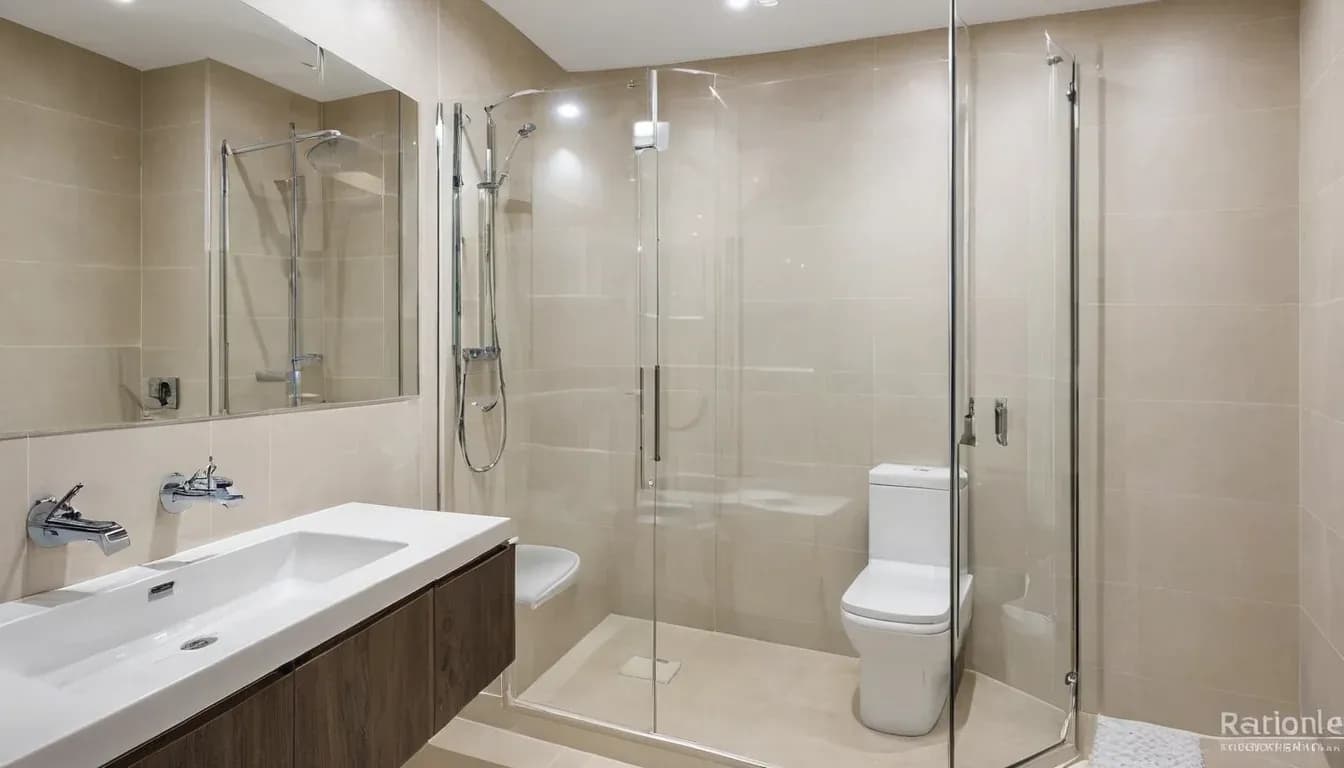 Guide
2 min read
How much does a bathroom renovation cost
How a bathroom renovation budget is put together, which factors affect the price most and how to compare quotes without being misled.
Read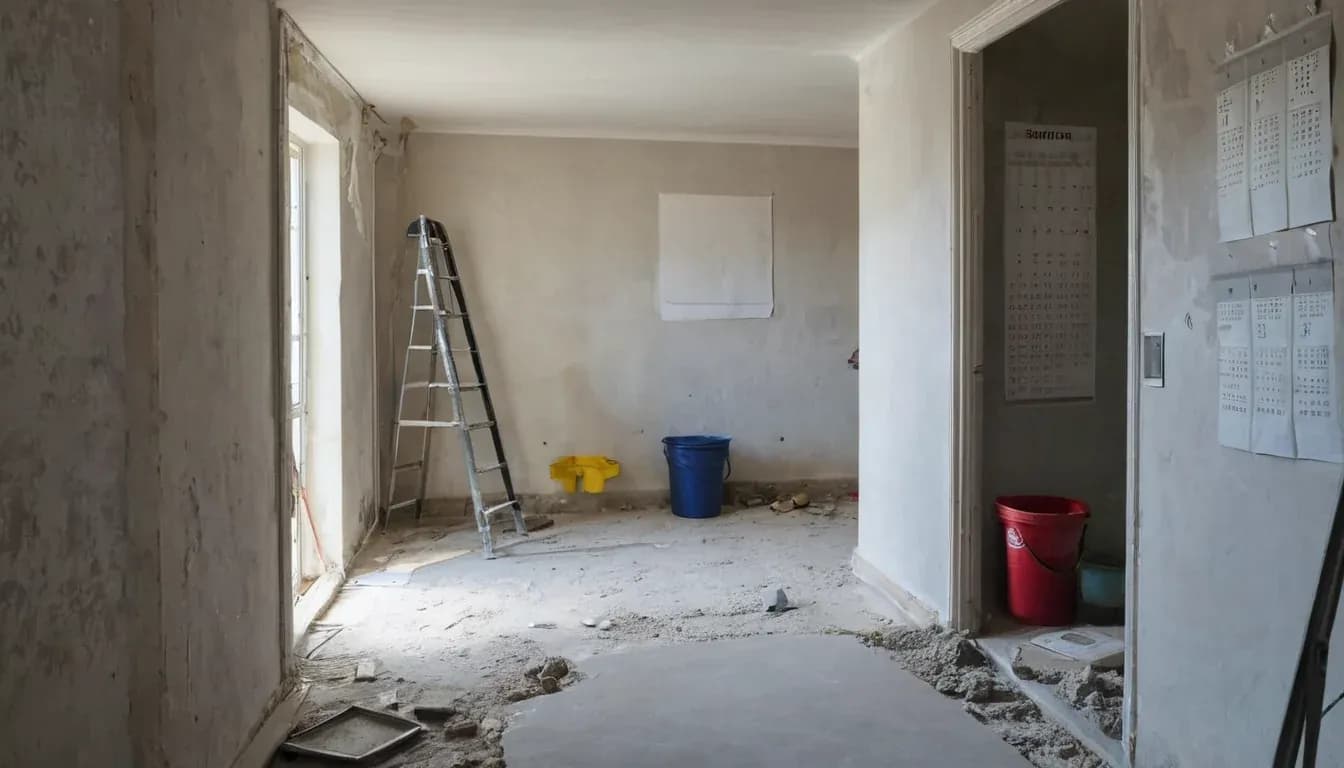 Guide
2 min read
How long does an apartment renovation take
Realistic stages, critical dependencies and how to plan an apartment renovation schedule without chaos or costly pauses.
Read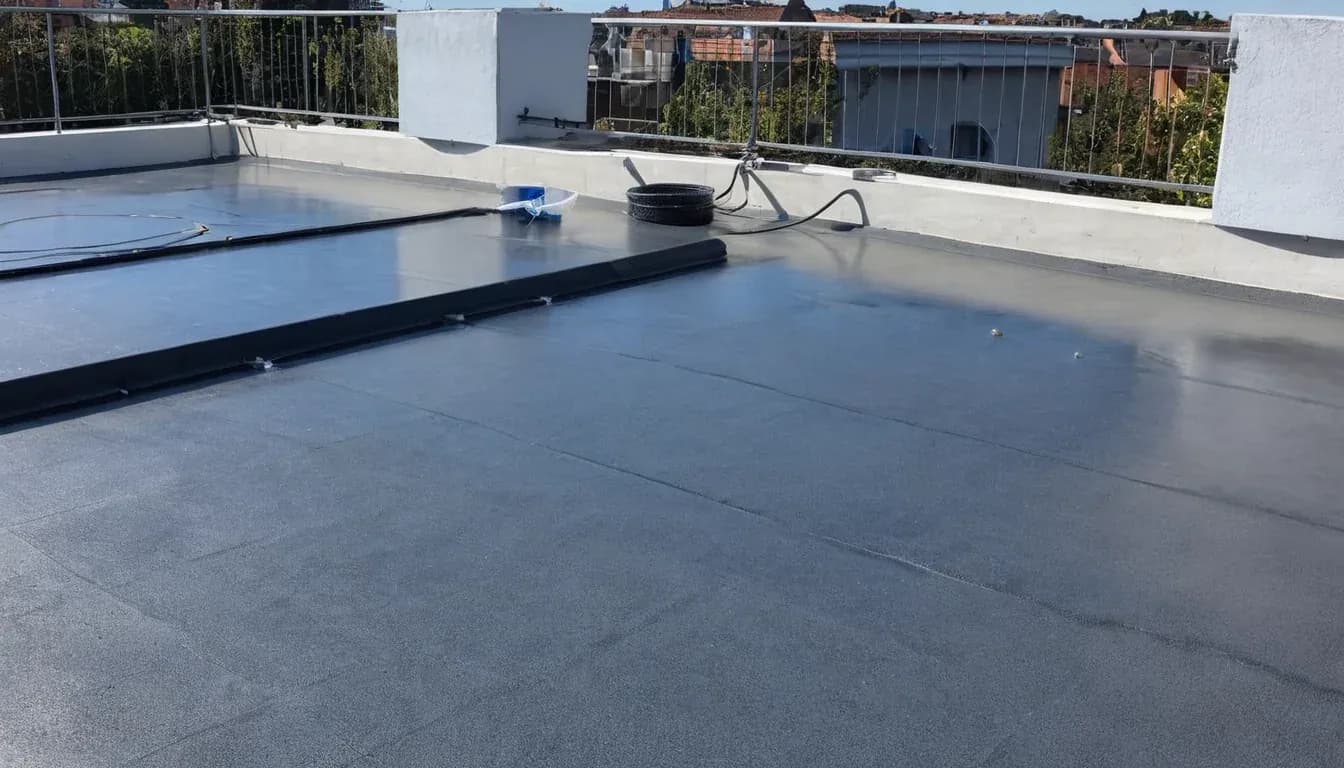 Guide
2 min read
How waterproofing is done
What matters in the preparation, the sequence of stages and the checks on critical details when waterproofing a bathroom, terrace or roof.
Read